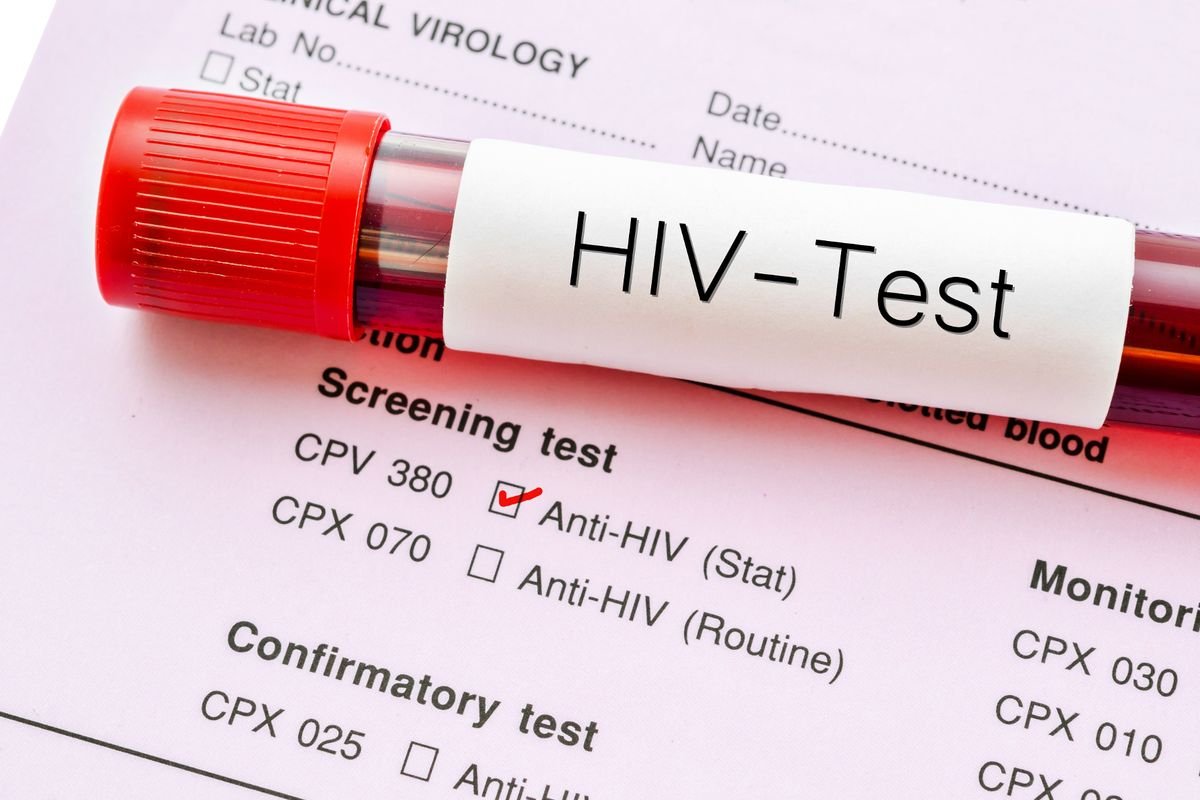
Getting an HIV blood test after a possible exposure can provide important information about your health. However, one factor matters just as much as the test itself: timing.
An HIV Blood Test in Dubai performed too soon after exposure may produce a negative result even when infection has occurred. This is because the body needs time to produce detectable HIV markers, and different tests look for different markers.
Understanding the HIV window period can help you know when testing is useful, when a repeat test may be needed, and when you should seek urgent medical care.
What Is the HIV Window Period?
The HIV window period is the time between potential HIV infection and the point when a specific test can reliably detect that infection.
During this period, HIV may already be present in the body, but the test may not yet be able to identify it.
The length of the window period depends on the HIV testing method. Some tests detect infection earlier because they look for viral genetic material or the p24 antigen, while antibody-only tests generally need more time for the immune response to develop.
This is why two people testing on the same day after exposure could receive different results if they use different types of HIV tests.
Why Does HIV Take Time to Become Detectable?
HIV testing depends on detecting biological evidence of infection.
After HIV enters the body, the virus begins replicating. Over time, different markers become detectable:
- HIV RNA: Genetic material from the virus
- p24 antigen: A protein associated with HIV
- HIV antibodies: Immune proteins produced in response to infection
These markers do not necessarily become detectable at the same time.
A nucleic acid test, or NAT, searches for HIV genetic material and can generally identify infection earlier than many antibody-based tests.
A laboratory antigen and antibody test, often called a fourth generation HIV test, searches for both p24 antigen and HIV antibodies.
An antibody test looks only for antibodies and therefore generally has a longer detection window.
How Long Is the HIV Window Period?
There is no single HIV window period that applies to every test.
According to HIV.gov, the typical detection ranges are:
| HIV test | Typical detection period after exposure |
|---|---|
| NAT | About 10 to 33 days |
| Laboratory antigen and antibody test using blood from a vein | About 18 to 45 days |
| Finger-prick antigen and antibody test | About 18 to 90 days |
| Antibody test | About 23 to 90 days |
These are general ranges rather than guaranteed dates for every person or test.
The specific assay used, individual circumstances, and timing of exposure can affect how results should be interpreted.
Which HIV Blood Test Is Best for Early Detection?
For routine screening, a laboratory fourth generation HIV test is an important option because it detects both antigen and antibodies.
The p24 antigen can become detectable before antibodies are fully developed. This allows the test to identify many infections earlier than antibody-only testing.
A laboratory antigen and antibody test using blood from a vein can usually detect HIV approximately 18 to 45 days after exposure.
A NAT may detect HIV even earlier, generally around 10 to 33 days after exposure.
However, NAT is not automatically necessary for everyone. A healthcare professional may recommend it when very recent infection is suspected.
HIV Test Timing After Exposure: A Practical Guide
The best way to understand testing is to connect the test type with the time since exposure.
Within the first few days
A standard HIV test is generally too early to rule out a new infection.
If the exposure occurred within 72 hours, however, there is an important medical consideration: PEP.
Around 10 to 33 days
A NAT can usually detect HIV during this period.
A healthcare provider may consider NAT when there is concern about very recent infection.
Around 18 to 45 days
A laboratory antigen and antibody test using blood from a vein can usually detect HIV during this range.
This makes fourth generation laboratory testing particularly useful for relatively recent exposure.
Around 23 to 90 days
Antibody tests can generally detect HIV during this period.
The exact timing depends on the specific test.
Remember that these timeframes describe when tests can usually detect infection, not an absolute guarantee that every infection will be detected on a particular day.
Can You Take an HIV Blood Test Immediately After Exposure?
Yes, you can seek testing immediately after a possible exposure, but the result has an important limitation.
A test performed shortly after exposure cannot reliably exclude HIV acquired from that exposure because the infection may still be within the test’s window period.
An initial test can sometimes establish whether HIV was already detectable before the recent event.
Your healthcare provider may then recommend follow-up testing after enough time has passed.
The most useful information to provide is the date of the possible exposure and the type of test being considered.
What Does a Negative HIV Test During the Window Period Mean?
A negative result during the window period means that HIV was not detected by that test at that point in time.
It does not necessarily mean that infection has been ruled out.
For example, someone who takes an antibody test shortly after exposure may test negative because the body has not yet produced enough antibodies for the test to identify them.
Similarly, a fourth generation test performed too early may be negative before detectable antigen or antibody levels develop.
If your test was performed during the window period, ask your healthcare provider whether repeat testing is appropriate.
When Is a Negative HIV Test Considered Reliable?
The answer depends on the test.
A negative result becomes increasingly reassuring when it is obtained after the relevant detection window and there have been no additional potential exposures.
For a laboratory antigen and antibody test using blood from a vein, HIV.gov gives a typical detection range of 18 to 45 days.
For an antibody test, the reported range is approximately 23 to 90 days.
Because different tests have different performance characteristics, it is better to ask about the exact test rather than assuming that every HIV test follows the same timeline.
What If You Have Another Exposure After Testing?
A new potential exposure changes the testing timeline.
For example, suppose you receive a negative HIV blood test after one exposure and then have another possible exposure several days later. The earlier test does not necessarily rule out infection resulting from the newer event.
Tell your healthcare provider about all relevant exposure dates.
This allows them to determine whether another HIV test is necessary and when it should be performed.
What If You Have Symptoms During the Window Period?
Some people develop symptoms during acute HIV infection, while others have no symptoms.
Possible symptoms include:
- Fever
- Rash
- Sore throat
- Swollen lymph nodes
- Fatigue
- Headache
- Muscle aches
- Night sweats
These symptoms are not specific to HIV. Many common infections can cause similar problems.
Likewise, feeling completely healthy does not rule out HIV.
If you have experienced a possible exposure, HIV testing is much more reliable than trying to identify infection based on symptoms.
What If the Exposure Happened Within 72 Hours?
Do not wait for the HIV window period to pass if a recent exposure may have placed you at risk.
If the exposure occurred within 72 hours, seek urgent medical advice about post-exposure prophylaxis, or PEP.
PEP is medication taken after a potential exposure to reduce the chance of acquiring HIV. HIV.gov states that PEP should be started as soon as possible and no later than 72 hours after exposure.
The sooner you seek medical advice, the more options may be available.
An HIV test can be part of the medical assessment, but an early negative result does not replace PEP when PEP is indicated.
Does PrEP Change HIV Testing?
If you take PrEP, tell your healthcare provider before an HIV test.
PrEP, or pre-exposure prophylaxis, is an HIV prevention strategy that requires regular HIV screening.
If you recently started PrEP, missed doses, or had a possible exposure while taking PrEP, your provider may recommend a particular testing approach.
Also mention any recent PEP use.
Your prevention medication history can be relevant when deciding which HIV test to use and whether additional testing is needed.
Is a Fourth Generation HIV Test More Accurate?
Fourth generation laboratory testing is highly effective and has the advantage of detecting both HIV antigen and antibodies.
Its ability to detect p24 antigen means it can identify many infections earlier than antibody-only tests.
However, “more accurate” should not be confused with “immediately accurate.”
Even a highly sensitive HIV test has a window period.
Testing too early can still result in a negative result because there may not yet be enough detectable evidence of infection.
The most meaningful combination is the right test at the right time.
What Happens During an HIV Blood Test?
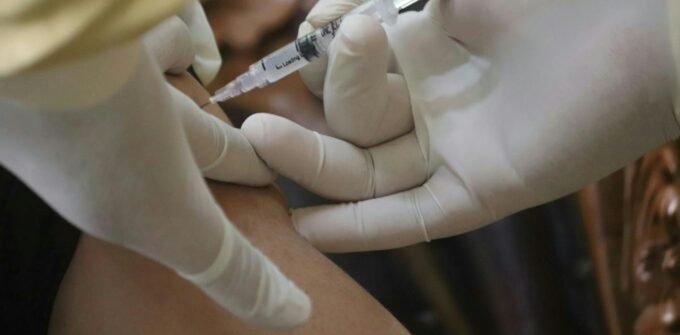
A standard laboratory HIV blood test usually involves collecting a small blood sample from a vein in your arm.
A healthcare professional cleans the skin, inserts a sterile needle, collects blood into a tube, and removes the needle.
The process generally takes only a few minutes.
The sample is then analyzed for the markers targeted by the test.
For most HIV blood tests, fasting is not necessary unless you are also having another blood test that requires fasting.
Does the Type of Sample Affect the Window Period?
Yes.
The specimen used can influence the detection window.
For example, a laboratory antigen and antibody test using blood drawn from a vein has a typical detection range of approximately 18 to 45 days, while an antigen and antibody test using finger-prick blood may have a broader range of approximately 18 to 90 days.
Antibody-only tests can also have a longer window period.
This is why knowing the exact testing method is important when interpreting an HIV result.
What Happens After a Reactive HIV Test?
A reactive screening result does not automatically mean that HIV infection has been confirmed.
Additional testing is required to establish a diagnosis.
This follow-up process is a normal part of HIV screening and helps distinguish true infections from reactive screening results that do not represent HIV infection.
If follow-up testing confirms HIV, treatment can be started.
Modern antiretroviral therapy can suppress HIV to an undetectable level, helping protect the immune system. Sustained viral suppression also prevents sexual transmission of HIV, known as U=U.
Should You Repeat an HIV Blood Test?
Repeat testing may be recommended when the first test was performed during the window period.
The need for repeat testing depends on:
- The HIV test used
- The date of possible exposure
- Whether another exposure occurred
- Whether PEP or PrEP is involved
- Your healthcare provider’s assessment
Do not assume that a single early negative result is final if the test was performed before the relevant window period ended.
Following the recommended testing schedule can provide much greater certainty.
Common HIV Window Period Mistakes:
Mistake 1: Testing too early
A test taken only a few days after exposure cannot reliably rule out a new infection.
Mistake 2: Treating all HIV tests as identical
A NAT, fourth generation test, and antibody test have different detection windows.
Mistake 3: Assuming a negative result is always conclusive
A negative result must be interpreted according to the timing and test type.
Mistake 4: Waiting for symptoms
HIV can occur without noticeable symptoms.
Mistake 5: Delaying PEP
If you are within 72 hours of a potential exposure, seek medical advice immediately instead of waiting for a conclusive test.
How to Make Sense of Your HIV Test Timeline?
If you are unsure what to do, start with four questions:
When did the possible exposure happen?
Knowing the date establishes the starting point for the testing timeline.
Which HIV test are you taking?
Find out whether it is a NAT, antigen and antibody test, or antibody test.
Was the test performed during the window period?
If so, a repeat test may be needed.
Have you had another potential exposure?
A new exposure may change the recommended testing timeline.
These questions can help you have a more productive conversation with your healthcare provider.
Frequently Asked Questions:
Can HIV be detected one week after exposure?
Some very early infections may be detectable with specialized testing, but one week is too early for most standard HIV tests to reliably exclude infection. A NAT generally has the earliest detection range, around 10 to 33 days after exposure.
Is four weeks enough for an HIV blood test?
A laboratory antigen and antibody test can usually detect HIV within 18 to 45 days. A negative result around four weeks can therefore be reassuring, but it may not represent the end of the window period for every person or test.
Can I test negative and still have HIV?
Yes, if you test during the window period. Repeat testing may be recommended depending on the test and timing.
Does an HIV blood test require fasting?
Usually not. Standard HIV blood testing generally does not require fasting.
How soon should I seek PEP after exposure?
PEP should be started as soon as possible and no later than 72 hours after a potential HIV exposure.
Final Takeaway:
The HIV blood Lab tests window period is one of the most important concepts to understand when testing after a possible exposure.
A NAT can usually detect HIV approximately 10 to 33 days after exposure, while a laboratory antigen and antibody test using blood from a vein can usually detect HIV around 18 to 45 days. Antibody tests generally have a window period of approximately 23 to 90 days.
These ranges explain why testing immediately after exposure cannot reliably rule out a newly acquired infection. If your first HIV test is performed during the window period, follow-up testing may be necessary.
If a possible exposure occurred within 72 hours, seek urgent medical advice about PEP rather than waiting for a test to become conclusive.
Ultimately, HIV testing is most useful when you know what test was performed, when the exposure occurred, and what the applicable window period is. With appropriate testing and timely medical care, HIV can be diagnosed early and effectively managed.