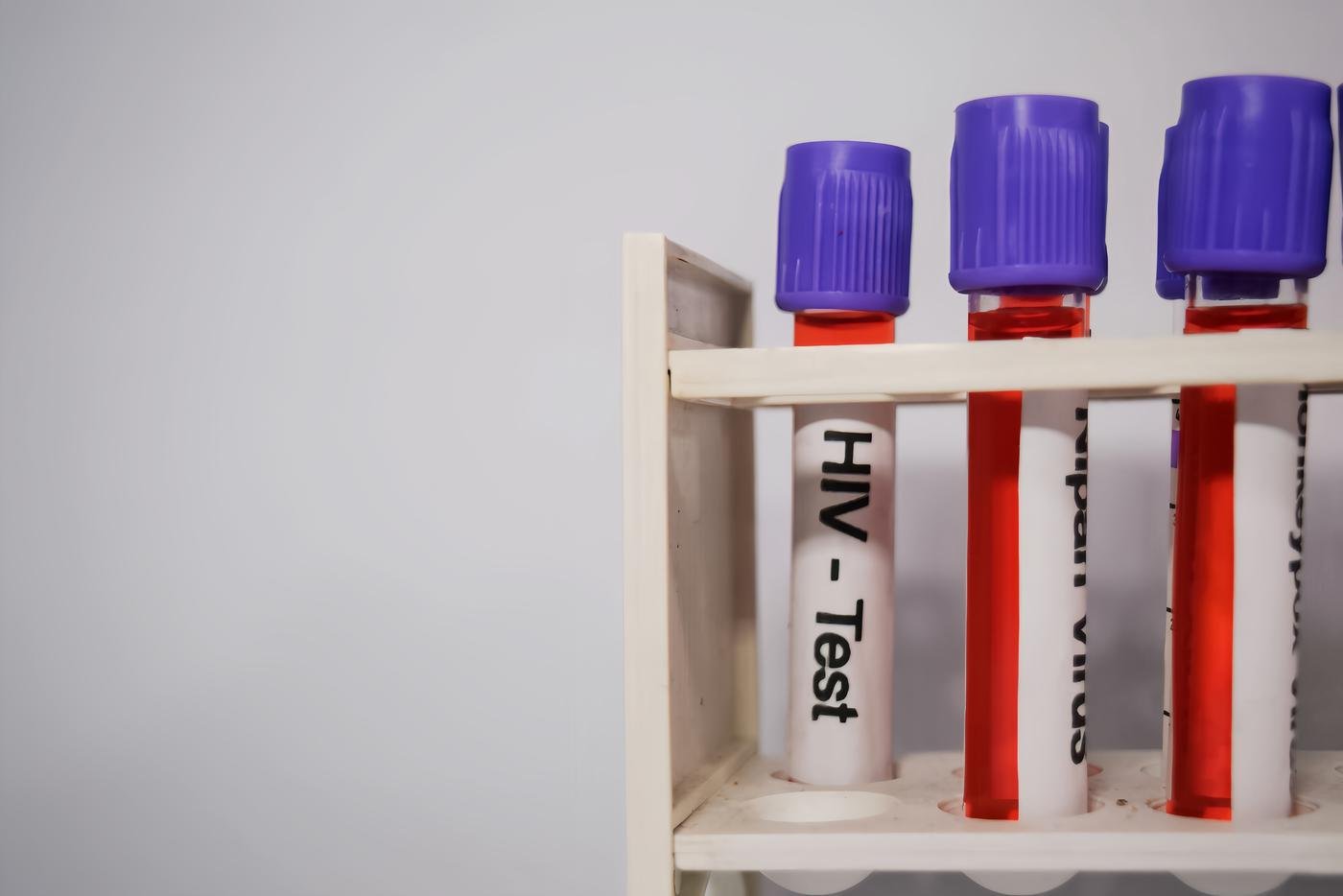
An HIV Blood Test is one of the most reliable tools available for detecting Human Immunodeficiency Virus (HIV) infection. Advances in laboratory medicine have transformed HIV screening into a highly accurate, efficient, and accessible process that supports early diagnosis and better health outcomes. Although many people understand that HIV testing is important, fewer know how the test actually works or why the timing of testing plays such a critical role in obtaining reliable results.
Modern HIV Blood Test in Dubai is based on sophisticated laboratory science that detects specific biological markers associated with HIV infection. By identifying these markers early, healthcare professionals can recommend appropriate medical evaluation, initiate treatment when necessary, and help reduce the risk of further transmission.
The Science Behind an HIV Blood Test:
Every laboratory test is designed to detect measurable biological changes within the body. An HIV Blood Test follows the same principle by identifying evidence that HIV is present or that the immune system has responded to the virus.
Rather than relying on symptoms alone, laboratory testing analyzes a blood sample for specific markers that appear after HIV exposure. These markers develop at different stages of infection, which is why different HIV tests are available for different clinical situations.
Because HIV may remain symptom-free during its early stages, laboratory testing provides the most dependable method for identifying infection.
What Does an HIV Blood Test Detect?
Modern laboratory testing can identify several biological indicators of HIV infection.
HIV Antibodies:
After exposure to HIV, the immune system begins producing antibodies to fight the virus. These proteins remain detectable in the bloodstream and form the basis of many HIV screening tests.
HIV p24 Antigen:
The p24 antigen is a viral protein that appears earlier than antibodies. Fourth-generation HIV Blood Tests detect both antibodies and this antigen, allowing earlier diagnosis than antibody-only testing.
HIV RNA:
Certain specialized laboratory investigations identify the virus’s genetic material directly. These nucleic acid tests are used in selected clinical situations, particularly when very recent infection is suspected.
Each testing method serves a specific purpose depending on the patient’s medical history and possible exposure.
The Journey of Your Blood Sample:
Understanding what happens after blood collection helps patients appreciate the accuracy of modern laboratory testing.
Blood Collection:
A trained healthcare professional collects a small blood sample using sterile, single-use equipment. The procedure is brief, safe, and performed according to standardized clinical guidelines.
Sample Identification:
The specimen is carefully labeled to ensure accurate patient identification throughout laboratory processing.
Transportation:
Blood samples are transported under controlled conditions that preserve specimen quality and prevent contamination.
Laboratory Analysis
Advanced diagnostic instruments analyze the sample using validated testing methods that undergo continuous quality control.
Clinical Reporting:
Laboratory specialists verify the findings before an official report is released to the requesting healthcare provider.
This standardized workflow ensures dependable diagnostic results.
Why Timing Is Critical in HIV Testing?
One of the most important concepts in HIV diagnosis is the window period.
The window period refers to the time between HIV exposure and when laboratory testing can reliably detect infection. During this period, the body may not yet have produced enough detectable markers for certain tests.
For this reason:
-
Testing immediately after exposure may produce a non-reactive result.
-
Fourth-generation HIV Blood Tests reduce the window period by detecting both antibodies and the p24 antigen.
-
Healthcare providers may recommend repeat testing if exposure occurred recently.
Understanding timing helps patients avoid misinterpreting early laboratory results.
Different Types of HIV Blood Tests:
Healthcare providers choose the most appropriate testing method based on clinical circumstances.
Antibody Tests:
These tests detect antibodies produced after HIV infection and remain useful for routine screening.
Fourth-Generation Antigen/Antibody Tests:
These laboratory investigations identify both antibodies and the p24 antigen, allowing earlier detection and excellent diagnostic performance.
Nucleic Acid Tests:
These highly specialized investigations detect HIV RNA directly and are generally reserved for specific clinical situations requiring early diagnosis.
Selecting the appropriate test improves diagnostic accuracy.
Why Early HIV Detection Makes a Difference?
The primary goal of HIV screening is early diagnosis.
When HIV is detected early, healthcare providers can:
-
Evaluate immune function
-
Recommend additional laboratory investigations
-
Initiate treatment when appropriate
-
Monitor disease progression
-
Reduce complications
-
Lower the likelihood of HIV transmission
Early diagnosis allows many individuals living with HIV to maintain long, healthy, and productive lives through ongoing medical care.
Who Should Consider an HIV Blood Test?
Routine HIV screening forms an important part of preventive healthcare.
Healthcare providers commonly recommend testing for:
-
Adults receiving routine medical care
-
Individuals with new or multiple sexual partners
-
People who may have been exposed to HIV
-
Pregnant women
-
Healthcare workers following occupational exposure
-
Individuals sharing injection equipment
-
Patients with certain clinical conditions requiring HIV evaluation
Testing recommendations are based on individual risk factors and professional medical guidance.
Preparing for Accurate Results:
Preparing for an HIV Blood Test is generally simple.
Patients should:
-
Follow instructions provided by their healthcare provider.
-
Inform medical staff about recent exposures or current medications.
-
Stay hydrated unless advised otherwise.
-
Bring required laboratory documentation.
-
Discuss any health concerns openly before testing.
Routine HIV screening typically does not require fasting.
Understanding Your HIV Blood Test Results:
Laboratory findings should always be interpreted by qualified healthcare professionals.
Non-Reactive Result:
A non-reactive result generally means HIV was not detected. However, additional testing may be recommended if the test was performed during the window period.
Reactive Screening Result:
A reactive screening result requires confirmatory laboratory testing. It does not independently establish an HIV diagnosis.
Indeterminate Result:
Occasionally, results may be inconclusive. Repeat testing or additional laboratory investigations may be necessary.
Healthcare providers explain the significance of every result and recommend appropriate follow-up.
Why Modern HIV Blood Tests Are Highly Accurate?
Advances in diagnostic technology have greatly improved HIV testing accuracy.
Reliable laboratory results depend on:
-
High-quality blood sample collection
-
Fourth-generation testing technology
-
Automated diagnostic analyzers
-
Standardized laboratory procedures
-
Internal quality control
-
Confirmatory testing protocols
These safeguards help minimize diagnostic errors while ensuring dependable results.
Common Misconceptions About HIV Testing:
Misunderstanding HIV screening often discourages people from getting tested.
HIV Testing Is Only Necessary When Symptoms Develop:
Many people with HIV experience no symptoms during the early stages of infection.
HIV Blood Tests Are Not Reliable:
Modern laboratory testing offers excellent sensitivity and specificity when performed after the appropriate window period.
One Negative Result Provides Lifetime Protection:
Future testing depends on ongoing exposure risks and healthcare recommendations.
HIV Testing Is Complicated:
The actual blood collection process is simple and usually takes only a few minutes.
How HIV Testing Supports Public Health?
Routine HIV screening benefits both individuals and communities.
Early diagnosis helps:
-
Increase awareness of HIV status
-
Improve access to medical care
-
Reduce delayed diagnosis
-
Support timely treatment
-
Decrease the likelihood of HIV transmission
-
Strengthen preventive healthcare strategies
Widespread HIV screening remains an essential component of global public health efforts.
Frequently Asked Questions:
Does an HIV Blood Test require fasting?
Routine HIV Blood Tests generally do not require fasting unless additional laboratory investigations have been requested.
How long does blood collection take?
The blood collection procedure usually takes only a few minutes.
Can HIV be detected immediately after exposure?
No. The window period affects when HIV becomes detectable by laboratory testing.
Why are confirmatory tests necessary?
Confirmatory testing ensures that a reactive screening result is interpreted accurately before an HIV diagnosis is established.
Are fourth-generation HIV tests recommended?
Fourth-generation antigen/antibody tests are widely used because they detect infection earlier than antibody-only tests while providing excellent diagnostic accuracy.
Conclusion:
An HIV Blood Lab tests combines advanced laboratory science with preventive healthcare to provide accurate, timely detection of Human Immunodeficiency Virus. By identifying HIV antibodies, the p24 antigen, or viral genetic material, modern testing enables healthcare professionals to diagnose infection early, recommend appropriate treatment, and monitor long-term health. Understanding how laboratory testing works, why the window period matters, and how results are interpreted empowers patients to make informed healthcare decisions with confidence.
Routine HIV screening is a responsible step toward protecting both personal and public health. Whether performed as part of preventive healthcare, after a possible exposure, or during a medical evaluation, an HIV Blood Test remains one of the most valuable tools for early diagnosis, effective treatment planning, and improved long-term well-being.