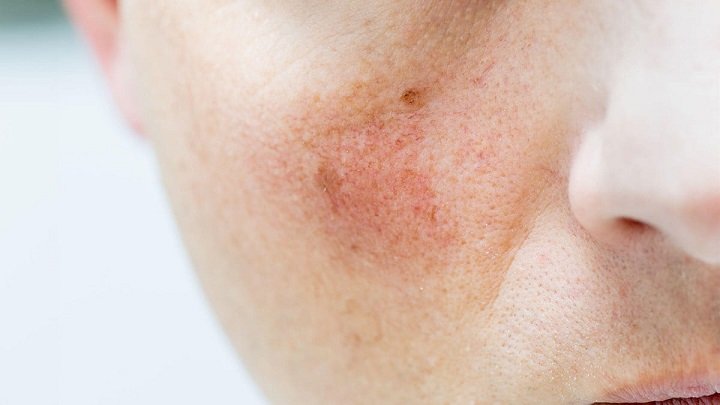
The possible benefits of Facial Capillaries Treatment can be identified by understanding the skin concerns being addressed, the treatment options available, and the improvements a person may realistically expect. Treatment may help reduce the appearance of visible blood vessels, persistent facial redness, and uneven-looking skin tone. The extent of improvement depends on the type of capillaries, skin condition, and treatment method. People exploring علاج الشعيرات الدموية في الوجه في دبي can consult a qualified skin specialist to understand which options may suit their needs. A professional assessment is important because visible facial capillaries can have different causes and may respond differently to treatment.
What Are the Possible Benefits of Facial Capillaries Treatment?
Facial capillaries treatment may offer several cosmetic benefits, depending on the cause and severity of the visible blood vessels.
Reduced Appearance of Visible Blood Vessels:
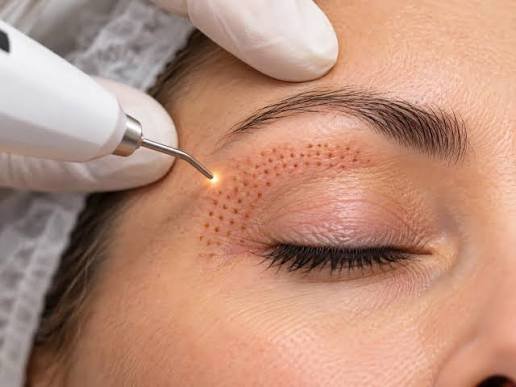
One of the main potential benefits is a reduction in the visibility of small blood vessels around the nose, cheeks, and chin. Vascular laser treatments use targeted light energy to treat selected vessels, making them less noticeable over time.
The outcome depends on the size, depth, and location of the vessels. Some may improve after one session, while others require multiple treatments.
More Even-Looking Skin Tone:
Visible capillaries can contribute to persistent redness or a blotchy appearance. When treatment successfully reduces these vessels, the complexion may appear more uniform.
However, facial redness can also result from rosacea, irritation, or other skin conditions. Treating visible vessels alone may not resolve redness caused by these underlying factors.
Improved Appearance of the Nose and Cheeks:
Small red or purple vessels often appear around the sides of the nose and across the cheeks. Targeted treatment may help reduce their visibility and improve the appearance of these areas.
The appropriate method depends on the vessels being treated and the individual’s skin characteristics. A dermatologist can determine whether vascular laser, intense pulsed light (IPL), or another approach is suitable.
Potential Improvement in Skin Confidence:
Some people feel self-conscious about visible facial capillaries, especially when the vessels are noticeable in photographs or under bright lighting. Successful treatment may help them feel more comfortable with their appearance.
This benefit is subjective and varies from person to person. Treatment should be based on personal preferences and realistic expectations rather than pressure to achieve a particular appearance.
How Can You Identify Which Benefits Are Relevant to Your Skin?
The potential benefits depend on your specific skin concerns. Identifying these concerns can help you discuss suitable options with a professional.
Examine the Appearance of Visible Vessels:
Notice where the capillaries appear and whether they look like fine red lines, branching vessels, or more widespread redness. Record whether their appearance changes over time.
This information can help during a consultation, but it cannot replace a professional diagnosis. New, changing, painful, or unusual skin marks should be medically assessed.
Identify Persistent Redness:
If redness remains visible around the nose or cheeks, consider whether it occurs alongside flushing, burning, sensitivity, or acne-like bumps. These symptoms may indicate an underlying condition such as rosacea.
A specialist can assess whether treating the vessels alone is likely to help or whether managing the underlying condition is also necessary.
Consider Your Main Cosmetic Goal:
Think about the change you hope to achieve. You may want to make individual vessels less noticeable, reduce general redness, or create a more even-looking complexion.
Clear goals help the practitioner explain which improvements are realistic and whether the proposed treatment is likely to address your concern.
Which Treatments May Provide These Benefits?
Different treatments target different types of visible vessels and redness.
Vascular Laser Treatment:
Vascular lasers target blood within selected vessels using specific wavelengths of light. The absorbed energy can cause the treated vessels to close or become less visible.
This approach may be useful for individual visible capillaries, although the results depend on vessel characteristics and the laser selected.
Intense Pulsed Light (IPL):
IPL delivers pulses of broad-spectrum light and may help improve certain superficial blood vessels and forms of diffuse redness. It may be considered when a larger area is affected.
IPL is not suitable for every skin tone or vessel type. Professional assessment helps determine whether it is an appropriate option.
Skincare and Sun Protection:
Gentle skincare and regular sun protection may help reduce irritation and limit factors that contribute to visible redness. However, skincare products generally cannot eliminate established facial capillaries.
If rosacea or another skin condition contributes to redness, medical management may be needed alongside or instead of a cosmetic procedure.
What Factors Influence the Results?
Several factors can affect the potential benefits of facial capillaries treatment:
-
Vessel size and depth: Different vessels respond differently to treatment.
-
Skin tone: Some light-based procedures carry a greater risk of pigmentation changes in certain skin tones.
-
Underlying conditions: Rosacea and other causes of redness may require additional management.
-
Treatment method: Laser and IPL technologies have different uses and limitations.
-
Individual response: Results vary, and multiple sessions may be necessary.
-
Aftercare: Following professional instructions and protecting the skin from sunlight can support recovery.
Treatment may also cause temporary redness, swelling, bruising, or pigmentation changes. Less common complications include burns or scarring, making appropriate device selection and practitioner experience important.
Frequently Asked Questions:
How do I know whether facial capillaries treatment is working?
A reduction in the visibility of treated vessels or a more even-looking complexion may indicate improvement. A practitioner can assess progress during follow-up appointments.
Can treatment remove all visible facial capillaries?
Not always. Some vessels may respond better than others, and complete removal cannot be guaranteed. Additional sessions may be recommended depending on the results.
Will facial redness disappear after treatment?
Redness caused by visible vessels may improve, but redness associated with rosacea, irritation, or other conditions may persist. The underlying cause should be assessed.
Are the benefits permanent?
Treated vessels may remain less visible, but new vessels can develop over time. Sun exposure, rosacea, genetics, and other factors can influence recurrence.
Is professional assessment necessary before treatment?
Yes. A qualified dermatologist or appropriately trained medical professional can identify the likely cause of the visible vessels, assess suitability, and explain the expected benefits and risks.
Conclusion:
The possible benefits of Facial Capillaries Treatment can be identified by assessing visible blood vessels, persistent redness, skin tone, and individual cosmetic goals. Vascular laser and IPL may reduce the appearance of selected vessels and improve the uniformity of the complexion, although results vary and new capillaries may develop. A professional consultation helps determine which benefits are realistic, which treatment may be suitable, and how to manage any underlying skin condition.