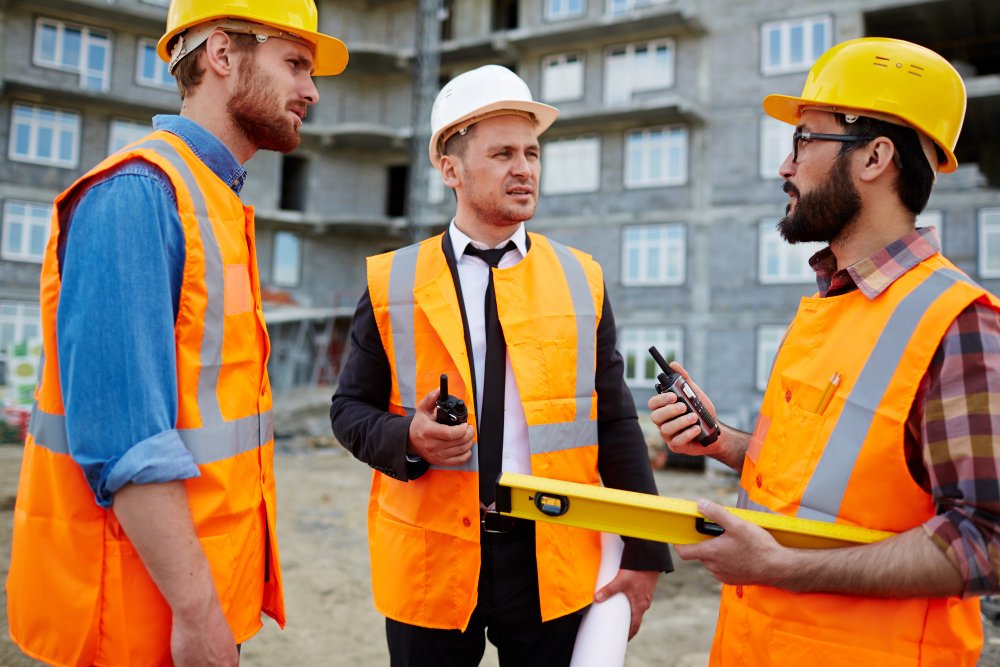
If you ask any contractor what they fear most, it’s likely theft will be in second place, just behind bad weather. One gone pallet of copper wiring or stolen generator can delay a project for weeks, not to mention insurance, replacement, and the ability to explain to a client why it’s taken longer than anticipated. They’re full of expensive equipment, they sit empty at night, and fencing alone rarely stops someone determined to load a truck with lumber or tools before sunrise. This is exactly why more builders and developers are bringing in dedicated protective services instead of hoping a padlock does the job.
Why Jobsites Are Such an Easy Target
Think about what a typical construction site looks like after 6 PM. No lights except maybe a single string bulb near the trailer. No cameras that anyone’s actually monitoring in real time. Materials stacked in the open, half-installed HVAC units sitting exposed, and often a chain-link fence that a bolt cutter handles in under a minute. Add in the fact that thieves know insurance will usually cover part of the loss, so contractors don’t always report it, and you’ve got a pattern that repeats across the industry every single week. A few things make sites especially vulnerable:
- Copper wiring and plumbing fixtures that resell fast on the black market
- Heavy machinery left idling or unlocked overnight because moving it daily is a hassle
- Tool trailers that get broken into repeatedly once word spreads that a site is unguarded
- Blind spots created by half-built structures, scaffolding, and stacked materials
- Predictable schedules, since most crews leave at the same time every day, giving criminals a reliable window
What Trained Security Actually Changes
Previously, the invisible, trained presence of an individual alters behavior before any action is taken. Once a marked vehicle, patrol lighting or a uniformed guard is seen doing rounds, it is a general rule that one looking for a quick score will rapidly turn his head. It is not only about seeing someone caught; it’s about making the site look like it is more trouble than it is worth. To minimize loss of equipment at the site, some projects will include an armed security officer for overnight protection, especially in locations where thefts have occurred in the past or for high value equipment delivery jobs. Others manage to do it with a standalone patrol, mobile surveillance teams and check-in logs. Typically, the right mix depends on a few practical considerations:
- Site location and neighborhood crime data
- Total value of equipment and materials stored on-site
- Project phase, since exposed materials during framing carry different risk than a nearly finished building
- Client or insurance requirements, since some policies actually mandate a security plan to keep premiums manageable
- History of prior incidents at that specific site or nearby projects
Guards also do something cameras alone can’t: they make judgment calls. A camera records a break-in after it’s already happened. A patrol officer notices a truck idling near the fence line at 2 AM and investigates before anything gets loaded up. That real-time response is often the difference between a near-miss and a five-figure loss.
Delays Cost More Than the Stolen Items Themselves
Here’s what a lot of project managers miss when they’re calculating the cost of a security contract against the cost of “just risking it.” The stolen generator or missing conduit is rarely the biggest expense. It’s the downstream disruption. Crews show up and can’t work because the tools they need are gone. Subcontractors get rescheduled, which then bumps into the next trade’s timeline. Permits or inspections tied to a completion date start slipping. Suddenly a $3,000 equipment loss turns into a month of schedule creep that costs far more in labor and penalty clauses than the theft itself ever did. Protective coverage, whether that’s foot patrols, an armed security officer stationed at material laydown areas, or a hybrid approach with remote monitoring, exists specifically to prevent that chain reaction from starting in the first place.
Building Security Into the Project Plan, Not as an Afterthought
The best construction protective service do not consider security as something that you need once a break-in has occurred. They incorporate it into the project budget from the outset, much like how they would factor in delays or material lead times. In most cases, it involves walking the premises with a security provider prior to the first shipment to establish where deliveries will be made, where they will be lighted and whether the project’s risk profile requires armed guard work or a lighter schedule. Websites that have adopted security from the beginning experience far fewer issues than those that implement it after a loss has occurred. Now, it’s not a cost anymore. That’s part of what it takes to keep a job “on track.”