Weight management can be challenging, especially when traditional approaches such as dieting and exercise do not deliver the desired results. In recent years, weight loss injections have become an increasingly discussed option for people seeking medical support with weight management. For individuals exploring Weight Loss Injections in Muscat, understanding the role of diet is an important step toward achieving sustainable results.
Although weight loss injections may help reduce appetite and improve feelings of fullness, they are not a replacement for balanced nutrition or healthy lifestyle habits. The foods a person eats, the amount of protein consumed, daily hydration, and overall calorie intake can all influence progress during treatment. A nutritious diet may also help reduce certain side effects and support the preservation of muscle mass as body weight changes.
Understanding how nutrition and medical treatment work together can help individuals make informed decisions, develop realistic expectations, and maintain healthier habits over time.
1. Understanding How Weight Loss Injections Work
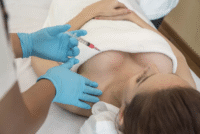
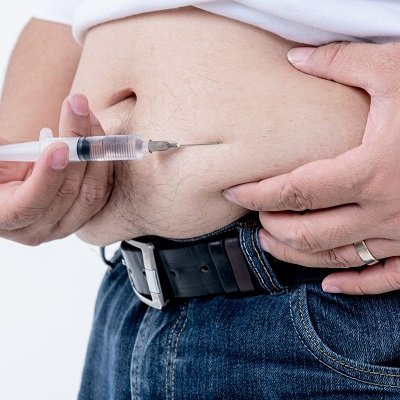
Weight loss injections are prescription medications designed to support weight management in eligible individuals. Some commonly used medications work by mimicking hormones involved in appetite regulation, digestion, and blood sugar control. Depending on the medication, these effects may help reduce hunger, increase feelings of fullness, and make it easier to manage portion sizes.
Certain medications, including semaglutide and tirzepatide, act on hormone pathways involved in appetite and metabolic regulation. However, they are not suitable for everyone and may have different indications, benefits, and risks. A qualified healthcare professional can determine whether a particular treatment is appropriate based on an individual’s medical history, weight-related health concerns, and treatment goals.
For people considering Weight Loss Injections in Muscat, it is important to understand that medication supports the weight loss process rather than replacing the need for healthy habits.
When appetite decreases, some individuals naturally consume fewer calories. However, eating less does not automatically mean eating well. A diet consisting mainly of processed snacks, sugary drinks, or nutrient-poor foods may leave the body without the nutrients needed to support energy, muscle maintenance, and general well-being.
A balanced eating plan helps ensure that reduced food intake still provides adequate protein, vitamins, minerals, fiber, and essential fats. Combining appropriate medical treatment with nutritional guidance can make weight management more practical and sustainable.
2. Why Diet Matters During Weight Loss Injection Treatment
Diet plays a central role in determining how effectively a person manages weight during treatment. While injections may influence appetite, the body’s overall energy balance and nutritional needs remain important.
When calorie intake is consistently lower than energy expenditure, the body generally begins using stored energy, including body fat. However, overly restrictive eating can also contribute to muscle loss, fatigue, and nutritional deficiencies.
A balanced diet can support progress in several ways.
Supporting a healthy calorie deficit: Weight loss generally requires consuming fewer calories than the body uses. Nutrient-dense foods can help individuals feel satisfied while managing their overall calorie intake.
Preserving muscle mass: Adequate protein, combined with appropriate resistance exercise, helps support muscle maintenance during weight loss.
Improving digestive comfort: Fiber-rich foods, sufficient fluids, and smaller meals may help manage constipation and other digestive concerns experienced during treatment.
Maintaining energy levels: Whole grains, vegetables, fruits, healthy fats, and protein provide nutrients that support daily activities and general health.
Building long-term habits: Learning to recognize hunger, manage portions, and prepare balanced meals can help individuals maintain healthier routines beyond the initial treatment period.
For anyone considering Weight Loss Injections in Muscat, dietary habits should be viewed as an essential part of the overall treatment plan. Medication may make certain changes easier, but consistent nutrition and lifestyle choices remain important for long-term weight management.
3. The Best Foods to Include in a Weight Loss Diet
A suitable eating plan does not need to be complicated or overly restrictive. The most practical approach is to prioritize foods that provide essential nutrients while remaining enjoyable and culturally appropriate.
Protein-Rich Foods for Muscle Support
Protein is particularly important during weight loss because it helps maintain muscle tissue and supports normal body functions. Since appetite may decrease during treatment, some individuals may find it difficult to consume enough protein throughout the day.
Useful protein sources include eggs, fish, chicken, lean meat, lentils, beans, chickpeas, Greek yogurt, and other dairy products. Tofu and other plant-based alternatives can also contribute to daily protein needs.
Including a protein source in each main meal can help improve satiety and make meals more nutritionally balanced. Individual protein requirements vary according to body size, activity level, age, and health conditions, so personalized guidance may be beneficial.
Vegetables, Fruits, and Fiber
Vegetables and fruits provide vitamins, minerals, antioxidants, and dietary fiber. Fiber supports digestive health and can help promote fullness, making it useful for people managing their weight.
Broccoli, carrots, leafy greens, cucumbers, berries, apples, oranges, and other whole fruits are practical options. Beans, lentils, oats, and whole grains can provide additional fiber.
Increasing fiber gradually is often more comfortable than making a sudden, substantial change. Drinking enough water is also important because inadequate fluid intake can worsen constipation.
Whole Grains and Healthy Fats
Whole grains, including oats, brown rice, and whole-wheat bread, provide carbohydrates and other nutrients that help support energy needs. Portion sizes can be adjusted according to individual requirements and activity levels.
Healthy fats from foods such as olive oil, nuts, seeds, and avocados contribute essential fatty acids and help the body absorb certain vitamins. Although these foods are nutritious, they are also energy-dense, so sensible portions remain important.
A balanced plate may include vegetables, a source of protein, a moderate portion of whole grains or other carbohydrate-rich foods, and a small amount of healthy fat. This simple approach can be easier to maintain than following an unnecessarily restrictive diet.
4. Foods and Eating Habits That May Affect Treatment Results
Certain eating patterns can make weight management more difficult or increase digestive discomfort during treatment. Recognizing these patterns allows individuals to make practical adjustments without eliminating entire food groups unnecessarily.
Large, heavy meals: Some weight loss medications slow stomach emptying. Eating a large meal may therefore contribute to uncomfortable fullness, nausea, bloating, or indigestion. Smaller meals eaten slowly may be easier to tolerate.
Highly processed foods: Foods containing large amounts of added sugar, refined carbohydrates, and unhealthy fats can provide substantial calories without supplying many essential nutrients. Frequently relying on these foods may make it harder to maintain a balanced diet.
Sugary beverages: Sweetened soft drinks, energy drinks, and other high-sugar beverages can increase calorie intake without providing the same fullness as solid foods. Water and unsweetened beverages are often better everyday choices.
Excessively fatty or fried meals: Greasy foods may aggravate nausea or digestive discomfort in some people using weight loss injections. Choosing baked, grilled, steamed, or lightly cooked alternatives may improve tolerance.
Skipping meals repeatedly: Reduced appetite can make it tempting to go for long periods without eating. However, consistently inadequate intake may make it difficult to meet protein and micronutrient needs. Smaller, balanced meals or nutritious snacks can be useful when large portions feel uncomfortable.
Alcohol consumption: Alcohol may contribute extra calories, affect judgment around food choices, and increase certain health risks. Its suitability during treatment depends on the medication and an individual’s medical circumstances.
These recommendations do not mean that every food must be avoided completely. The aim is to identify eating habits that interfere with nutritional needs, digestive comfort, or consistent progress.
People exploring Weight Loss Injections in Muscat should discuss persistent nausea, vomiting, constipation, or difficulty eating with their healthcare professional rather than attempting to manage significant symptoms through dietary changes alone.
5. Hydration, Meal Planning, and Healthy Daily Routines
Healthy eating involves more than choosing individual foods. Hydration, meal timing, physical activity, sleep, and consistency can all influence the weight management experience.
Staying Properly Hydrated
Drinking enough water supports normal bodily functions and helps prevent dehydration. It may be especially important for people experiencing nausea, vomiting, diarrhea, or constipation during treatment.
Keeping water nearby, drinking regularly throughout the day, and consuming water-rich foods such as cucumbers, melons, and oranges can help maintain fluid intake. Individual fluid needs vary, particularly for people with kidney, heart, or other medical conditions that require fluid restrictions.
Persistent vomiting or an inability to keep fluids down requires prompt medical advice because dehydration can become serious.
Planning Balanced Meals
Meal planning can make it easier to maintain adequate nutrition when appetite changes. Preparing simple meals in advance may also reduce reliance on convenience foods.
A practical day of eating might include eggs with whole-grain toast for breakfast, grilled chicken or lentils with vegetables and rice for lunch, and fish, beans, or tofu with vegetables for dinner. Yogurt, fruit, or a small portion of nuts may serve as snacks when needed.
These examples are not a prescribed diet. Portion sizes and food choices should reflect individual nutritional needs, cultural preferences, allergies, and medical conditions.
Combining Nutrition With Physical Activity
Regular movement complements dietary changes by supporting cardiovascular health, strength, mobility, and general well-being. Walking, swimming, cycling, and other enjoyable activities can help establish a sustainable routine.
Resistance exercises may be particularly helpful for preserving muscle during weight loss. Beginners should start at an appropriate level and increase activity gradually, especially if they have existing health concerns.
Adequate sleep and stress management also matter because poor sleep and ongoing stress can affect appetite, energy, and eating patterns. Sustainable progress usually comes from several consistent habits rather than a single dietary change.
6. What to Expect From Weight Loss Injections in Muscat
Results vary considerably between individuals. The medication used, starting weight, medical history, treatment adherence, eating habits, activity level, and other health factors can all influence the rate and extent of weight loss.
Some people notice changes in appetite relatively early, while meaningful changes in body weight may take longer. Weight loss is not always linear, and temporary plateaus do not necessarily mean that treatment has stopped working.
A healthcare professional can monitor progress, assess side effects, review nutritional intake, and determine whether adjustments are needed. Prescription medications should be used according to professional instructions, and doses should never be increased independently in an attempt to accelerate results.
When considering Weight Loss Injections in Muscat, individuals should seek a proper medical assessment before starting treatment. This assessment may include reviewing existing conditions, current medications, previous weight management efforts, and any factors that could make treatment unsuitable.
These medications can have side effects, including nausea, vomiting, diarrhea, constipation, and abdominal discomfort. Depending on the product and individual circumstances, more serious risks may also need to be considered. Severe or persistent abdominal pain, repeated vomiting, or signs of dehydration warrant prompt medical assessment.
Pregnancy, plans for pregnancy, certain gastrointestinal conditions, a history of pancreatitis, and particular thyroid cancer-related risks may affect treatment suitability, depending on the medication. A qualified healthcare professional should review the relevant precautions and prescribing information.
It is also important to consider what happens after the initial weight loss phase. Some people regain weight after discontinuing medication, so long-term planning should include sustainable eating habits, physical activity, and appropriate follow-up care.
The most useful measure of success is not simply how quickly the number on the scale changes. Improvements in health, daily energy, mobility, eating habits, and the ability to maintain progress also deserve attention.
Frequently Asked Questions
1. Can diet improve the results of weight loss injections?
Yes. A balanced diet can support weight management by helping individuals maintain an appropriate calorie intake, meet their nutritional needs, and preserve muscle mass. Medication and nutrition work best as complementary parts of an individualized treatment plan.
2. What foods should be avoided when using weight loss injections?
There is no single list of foods that everyone must avoid. However, large meals, greasy foods, and heavily processed options may worsen digestive discomfort or make balanced nutrition more difficult for some individuals. Personal tolerance and the specific medication should guide dietary decisions.
3. How much protein is needed during weight loss treatment?
Protein requirements depend on factors such as body weight, age, activity level, kidney health, and overall nutritional needs. Including a protein source in each main meal can be a useful starting point, while a healthcare professional or registered dietitian can help determine an appropriate individual target.
4. Is exercise necessary when using weight loss injections?
Exercise is not always a strict requirement for receiving treatment, but regular physical activity offers important health benefits. Walking and other aerobic activities support cardiovascular health, while resistance training can help preserve muscle during weight loss. Exercise plans should be adapted to individual abilities and medical conditions.
5. How quickly can someone lose weight with weight loss injections in Muscat?
The timeline varies according to the medication, dosage schedule, starting weight, dietary habits, physical activity, and individual response. Some people experience early appetite changes, but substantial weight loss generally develops over time. A healthcare professional can explain realistic expectations for a particular treatment.
6. Can weight return after stopping weight loss injections?
Yes. Weight regain is possible because the biological factors that influence appetite and body weight may return after medication is discontinued. Long-term nutrition habits, regular activity, and follow-up care can help support weight maintenance. Decisions about stopping treatment should be discussed with the prescribing healthcare professional.
Read More About Weight Loss Injections: https://linkmate.mn.co/posts/weight-loss-injections-vs-bariatric-surgery-key-differences