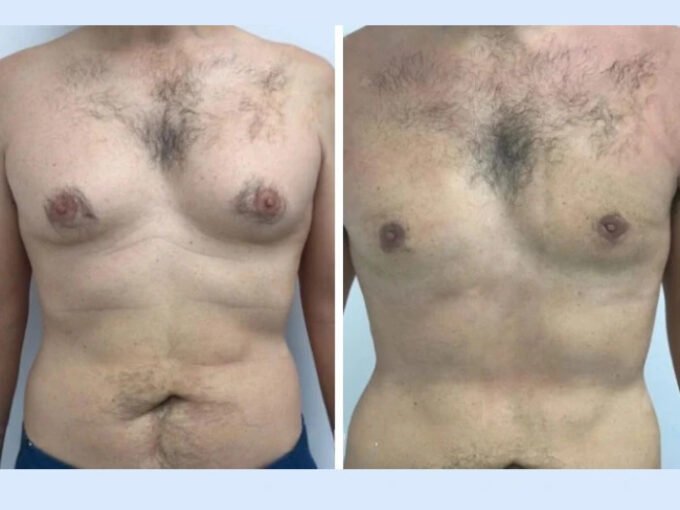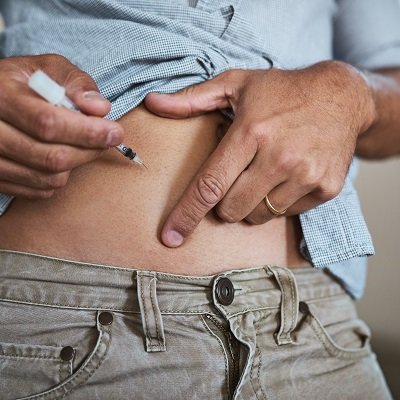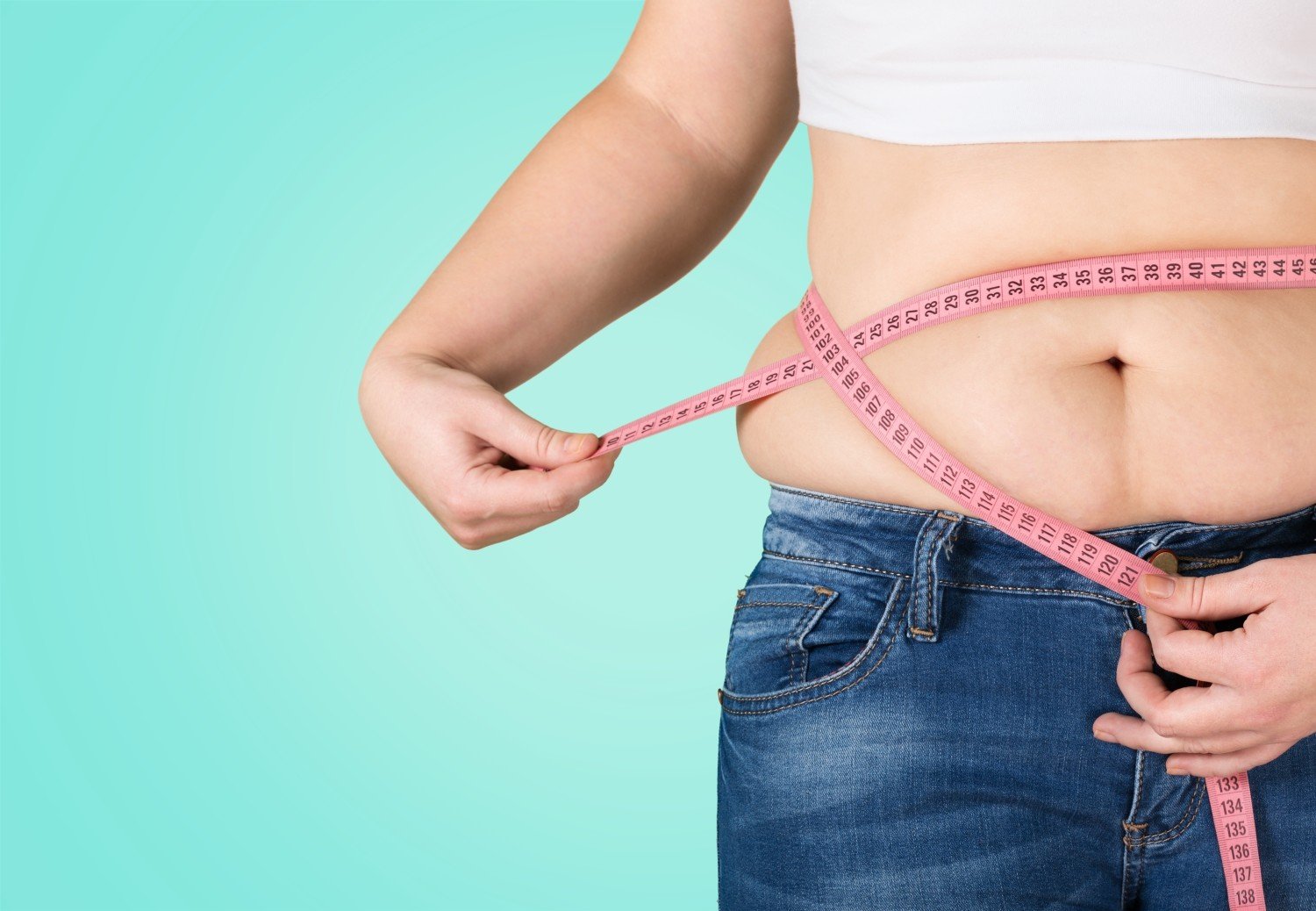
Managing excess body weight can be challenging, especially when diet and exercise alone do not produce the expected results. Many individuals explore medical options that can support their weight-management goals without undergoing traditional surgery. Non-Surgical Weight Loss in Dubai involves different approaches designed to influence appetite, control calorie intake, improve eating habits, and reduce excess body fat. Depending on the selected treatment, these methods may help individuals achieve gradual weight reduction while supporting healthier lifestyle habits.
Understanding How Non-Surgical Weight Loss Works
Non-surgical weight loss treatments work through different mechanisms to help individuals manage their body weight. Some approaches reduce hunger and increase feelings of fullness, while others help establish a calorie deficit through dietary changes and physical activity.
Certain medical procedures may also reduce the amount of food a person can comfortably consume or target localized fat deposits. The overall effectiveness depends on the treatment method, individual metabolism, medical history, and consistency with recommended lifestyle changes.
How Different Non-Surgical Treatments Help Reduce Body Weight
Several approaches can contribute to weight reduction. Each method works differently depending on the patient’s requirements.
1. Appetite Regulation Through Medication
Some prescription weight-loss medications influence hormones involved in appetite regulation. For example, GLP-1 receptor agonists mimic a naturally occurring hormone that helps regulate hunger, digestion, and blood sugar levels.
These medications may:
-
Reduce feelings of hunger.
-
Increase feelings of fullness after meals.
-
Help individuals consume smaller portions.
-
Reduce overall calorie intake.
-
Support better appetite management.
They are generally prescribed to eligible individuals following a medical assessment and require appropriate monitoring.
2. Intragastric Balloon Treatment
An intragastric balloon is a temporary medical procedure that involves placing a balloon inside the stomach. The balloon occupies space within the stomach, helping patients feel full sooner and potentially consume smaller meals.
By reducing the amount of food consumed, this approach can support a calorie deficit and gradual weight reduction.
The balloon is generally removed after a specified treatment period. Patients also need nutritional guidance and lifestyle changes to maintain their progress.
3. Nutritional Management and Calorie Control
A balanced eating plan helps individuals consume fewer calories while providing essential nutrients. Nutritional management focuses on improving food choices, controlling portion sizes, and developing sustainable eating habits.
For example, replacing high-calorie processed foods with vegetables, lean proteins, fruits, and whole grains can help reduce excessive calorie intake.
A structured eating plan can also support better blood sugar regulation and reduce unnecessary snacking.
4. Exercise and Increased Energy Expenditure
Physical activity helps the body burn energy and supports weight management. When combined with balanced nutrition, regular exercise can create an energy deficit that encourages the body to use stored energy.
Different activities offer different benefits:
-
Walking supports daily calorie expenditure.
-
Swimming provides a full-body cardiovascular workout.
-
Cycling improves endurance and physical fitness.
-
Strength training helps preserve muscle mass.
-
Resistance exercises support body composition.
Consistency is generally more important than choosing an extremely intense exercise routine.
5. Behavioural and Lifestyle Modifications
Behavioural approaches help individuals identify habits that contribute to weight gain. These may include emotional eating, frequent snacking, irregular meal schedules, and oversized portions.
Lifestyle coaching can help patients develop healthier routines, recognize hunger signals, and make more informed food choices.
These changes are particularly important because they support weight maintenance after completing a medical treatment.
How Do These Treatments Influence Body Fat?
Weight reduction generally occurs when the body uses more energy than it receives from food and beverages. This creates an energy deficit, encouraging the body to use stored energy, including fat.
Medical weight-loss treatments may make this process easier by reducing appetite or helping individuals control their food intake.
However, not every non-surgical treatment directly removes body fat. For example, appetite-regulating medication supports overall weight management, whereas non-invasive fat-reduction procedures target localized fat deposits.
Understanding this distinction helps individuals choose treatments according to their actual goals.
Can Non-Surgical Treatments Reduce Belly Fat?
Some non-surgical weight-loss approaches may help reduce abdominal fat as overall body weight decreases. However, the body determines where fat is lost, and spot reduction through dieting or exercise is not possible.
Non-invasive body-contouring procedures may target localized fat around the abdomen, waist, and flanks. These procedures can improve body shape but are not designed to produce substantial overall weight loss.
A professional assessment helps determine whether the concern involves excess body weight, localized fat deposits, or both.
What Factors Influence Weight Reduction Results?
The effectiveness of non-surgical weight-loss treatments varies from person to person. Several factors can influence the amount and speed of weight reduction.
Starting body weight: Individuals with different starting weights may experience different weight-loss patterns.
Metabolic health: Insulin resistance, hormonal imbalances, and other medical conditions may influence weight management.
Dietary habits: Consuming balanced meals and maintaining appropriate calorie intake supports progress.
Physical activity: Regular movement helps improve energy balance and maintain muscle strength.
Age: Changes in muscle mass and metabolic requirements can influence weight-management outcomes.
Treatment adherence: Following professional recommendations and attending follow-up appointments can help improve treatment consistency.
Are Non-Surgical Weight Loss Treatments Effective Without Exercise?
Some medical treatments can support weight reduction without requiring an intensive exercise routine. However, physical activity remains an important part of a healthy weight-management plan.
Exercise supports cardiovascular health, muscle preservation, mobility, and overall fitness. Even moderate activities, such as daily walking, can contribute to energy expenditure.
Individuals with mobility limitations or existing medical conditions should discuss suitable activities with their healthcare professional rather than attempting strenuous workouts.
Why Is Medical Supervision Important?
Medical supervision helps ensure that the selected treatment is appropriate for the patient’s health and weight-management needs.
Before recommending treatment, a healthcare professional may evaluate:
-
Body mass index and weight history.
-
Existing medical conditions.
-
Current medications and allergies.
-
Eating habits and activity levels.
-
Previous weight-loss attempts.
-
Nutritional status and possible deficiencies.
Prescription medications and medical procedures also carry potential side effects. Professional monitoring helps identify complications and adjust treatment when necessary.
How Can You Maintain Weight Loss After Treatment?
Reducing body weight is only one part of the process. Maintaining the results requires consistent lifestyle habits and appropriate follow-up care.
Helpful strategies include:
-
Following a balanced and nutritious diet.
-
Eating appropriate portions.
-
Staying physically active.
-
Drinking sufficient water.
-
Maintaining a regular sleep schedule.
-
Managing stress effectively.
-
Monitoring weight changes.
-
Following medical advice regarding ongoing treatment.
Developing sustainable habits can help reduce the likelihood of regaining lost weight.
Final Thoughts
Non-surgical weight-loss treatments help reduce body weight through different mechanisms, including appetite regulation, calorie control, medical interventions, and lifestyle improvements. Some options support overall weight reduction, while others focus on localized fat deposits. The most appropriate approach depends on individual health conditions, body composition, and personal goals. Combining suitable medical support with balanced nutrition and regular physical activity can help individuals achieve more sustainable weight-management results.
Frequently Asked Questions
1. How do non-surgical weight-loss treatments reduce appetite?
Certain prescription medications influence appetite-regulating hormones, helping individuals feel fuller for longer and consume smaller portions.
2. Can non-surgical weight loss reduce overall body fat?
Yes. Methods that support overall weight reduction can help decrease body fat when they create a sustainable calorie deficit.
3. Do non-surgical treatments increase metabolism?
Some treatments influence metabolic or hormonal pathways, but most weight-loss approaches primarily work by reducing calorie intake or improving energy balance.
4. Can I lose weight with non-surgical treatments without dieting?
Some medical treatments can support weight reduction, but balanced nutrition remains important for achieving and maintaining healthy results.
5. How long does it take for non-surgical weight-loss treatments to work?
The timeline depends on the treatment, starting weight, individual metabolism, and lifestyle habits. Results generally develop gradually rather than immediately.
6. Do non-surgical weight-loss treatments destroy fat cells?
Some body-contouring procedures can reduce selected localized fat cells. However, appetite-regulating medications and nutritional programs work differently and do not directly destroy fat cells.
7. Can non-surgical weight loss help prevent weight-related health problems?
For individuals with excess weight, achieving and maintaining a healthier body weight may improve certain risk factors, including blood sugar levels, blood pressure, and metabolic health. Individual outcomes vary.