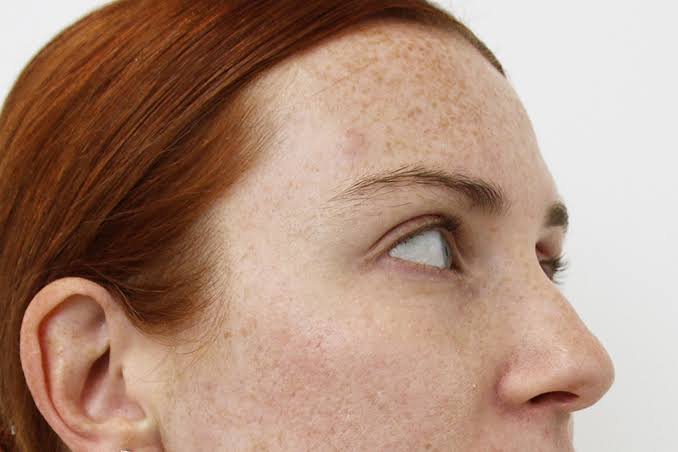
If you are wondering, How does Dermal Pigmentation develop?, it generally develops when the normal production, distribution, or loss of melanin changes within the skin. Melanin is the pigment responsible for skin color, and specialized cells called melanocytes produce it. When these cells become more active, certain areas can become darker, while reduced melanin production or loss of pigment can create lighter patches. If you are researching علاج تصبغ الجلد في دبي, understanding how pigmentation develops can help explain why different causes require different approaches.
What Role Does Melanin Play In Skin Pigmentation?
Melanin is the natural pigment that contributes to the color of the skin, hair, and eyes. Melanocytes produce melanin, which is then distributed to surrounding skin cells.
Pigmentation changes can occur when melanocytes produce more pigment than usual, when pigment becomes unevenly distributed, or when pigment-producing cells are damaged or lost.
Hyperpigmentation occurs when some areas become darker than the surrounding skin. In contrast, hypopigmentation occurs when areas have less melanin and therefore appear lighter.
How Does Hyperpigmentation Develop?
Hyperpigmentation develops when the skin produces or accumulates excess melanin in particular areas.
A variety of triggers can activate melanocytes. These include ultraviolet exposure, inflammation, hormonal changes, certain medications, and some medical conditions.
The American Academy of Dermatology explains that people with medium-to-dark skin tones can develop dark spots when something triggers the skin to produce extra melanin.
The resulting pigmentation may appear as individual spots, patches, or broader areas of uneven skin tone.
How Does Sun Exposure Cause Pigmentation?
Sun exposure is one of the major factors involved in increased pigmentation.
When ultraviolet radiation reaches the skin, it can stimulate melanocytes to produce more melanin. This is part of the skin’s natural response to UV exposure.
Repeated exposure can contribute to tanning, freckles, sun-related dark spots, and worsening of some pigmentation conditions. Sunlight can also make melasma more noticeable because it stimulates pigment production.
This is why sun protection is an important part of managing many pigmentation concerns.
How Does Inflammation Lead To Pigmentation?
Inflammation can also trigger pigmentation changes.
Acne, eczema, injuries, burns, irritation, and other inflammatory conditions can stimulate melanocytes. After the original inflammation improves, the affected area may remain darker than the surrounding skin.
This is commonly referred to as post-inflammatory hyperpigmentation. It is particularly noticeable in people with medium-to-dark skin tones.
The pigmentation may gradually fade after the underlying inflammation has resolved, although this can take time.
How Do Hormones Affect Pigmentation?
Hormonal changes can influence melanocyte activity and contribute to certain pigmentation conditions.
Melasma is one example. It commonly produces brown, grayish-brown, or bluish-gray patches, particularly on the cheeks, forehead, chin, nose, and area above the upper lip.
The American Academy of Dermatology notes that hormonal changes during pregnancy can trigger melasma. Birth-control medications and other factors may also play a role in some people.
However, the exact biological mechanism behind melasma is not completely understood.
Can Acne And Skin Damage Cause Pigmentation?
Yes. Acne and other forms of skin inflammation can cause pigmentation after the affected area heals.
When inflammation activates pigment-producing cells, additional melanin can remain in the skin after the original blemish or injury has disappeared.
This explains why someone may have dark marks remaining after acne has cleared. Scratching, picking, or irritating inflamed skin may also contribute to prolonged discoloration.
Managing the original skin problem and avoiding unnecessary irritation can help reduce the risk of developing additional pigmentation.
How Can Medications And Medical Conditions Affect Pigmentation?
Some medications can trigger or contribute to pigmentation changes. Certain medical conditions can also affect the pathways involved in melanin production.
For example, the American Academy of Dermatology identifies some medications, thyroid disease, and other factors as possible contributors to melasma.
Because pigmentation can sometimes have an underlying medical cause, new or unusual discoloration should not automatically be considered a cosmetic issue.
A dermatologist can evaluate the pattern and history of the pigmentation and determine whether additional investigation is necessary.
How Does Hypopigmentation Develop?
Not all pigmentation changes make the skin darker. Hypopigmentation develops when an area has less melanin than the surrounding skin.
According to Cleveland Clinic, injuries, infections, burns, eczema, psoriasis, certain skin treatments, and conditions such as vitiligo can cause areas of reduced pigmentation.
In some cases, pigment may return as the skin heals. In other cases, the change may persist depending on its underlying cause.
This distinction is important because treatments for darker pigmentation are not necessarily appropriate for lighter patches.
Does Skin Type Affect Pigmentation Development?
Yes. Pigmentation can occur in all skin types, but its appearance and risk can vary.
People with medium-to-dark skin tones may be more prone to noticeable post-inflammatory pigmentation, while certain conditions such as melasma are also more frequently seen in these skin tones.
Skin type also matters when selecting treatments. Excessive irritation from an inappropriate procedure can potentially worsen pigmentation, so treatment should be customized according to the individual’s skin characteristics and diagnosis.
How Can Pigmentation Development Be Reduced?
Not every pigmentation change can be prevented, but reducing common triggers can help.
Daily sun protection is particularly important because UV exposure can stimulate melanin production and worsen some pigmentation conditions. The AAD recommends broad-spectrum sunscreen with SPF 30 or higher as part of melasma self-care.
It can also be helpful to treat acne and inflammation appropriately, avoid unnecessary skin irritation, and use skincare products suited to your skin type.
When Should Pigmentation Be Evaluated?
Pigmentation that is persistent, rapidly changing, unusual, widespread, or unexplained may benefit from professional evaluation.
A dermatologist can examine the affected skin and determine whether the discoloration is related to melasma, post-inflammatory hyperpigmentation, another pigmentary condition, or a different skin problem.
For some conditions, specialized examination tools can help determine how deeply pigment extends into the skin.
Accurate diagnosis is important because treatment depends on the specific cause.
Frequently Asked Questions:
How Does Dermal Pigmentation Develop?
It develops when melanin production, distribution, or loss changes within the skin. Sun exposure, inflammation, hormones, medications, and medical conditions can contribute.
Can Sun Exposure Cause Dermal Pigmentation?
Yes. UV exposure can stimulate melanocytes to produce more melanin and may worsen existing pigmentation.
Can Acne Cause Pigmentation?
Yes. Inflammation associated with acne can trigger excess melanin production and leave darker marks after the acne heals.
Can Hormones Cause Pigmentation?
Hormonal changes can contribute to conditions such as melasma, although its development involves multiple factors.
Can Pigmentation Affect Any Skin Type?
Yes. Pigmentation changes can occur in every skin tone, although certain conditions and pigmentation responses are more common or more noticeable in particular skin types.
Conclusion:
Understanding How does Dermal Pigmentation develop? starts with understanding the role of melanin and melanocytes. Pigmentation can develop when melanocytes become more active because of sun exposure, inflammation, hormonal changes, medications, or other factors. Reduced melanin production can also create lighter areas of skin. Because pigmentation has many possible causes, identifying the underlying condition is important before choosing treatment. Professional evaluation, appropriate skincare, sun protection, and individualized management can help address pigmentation concerns safely and effectively.