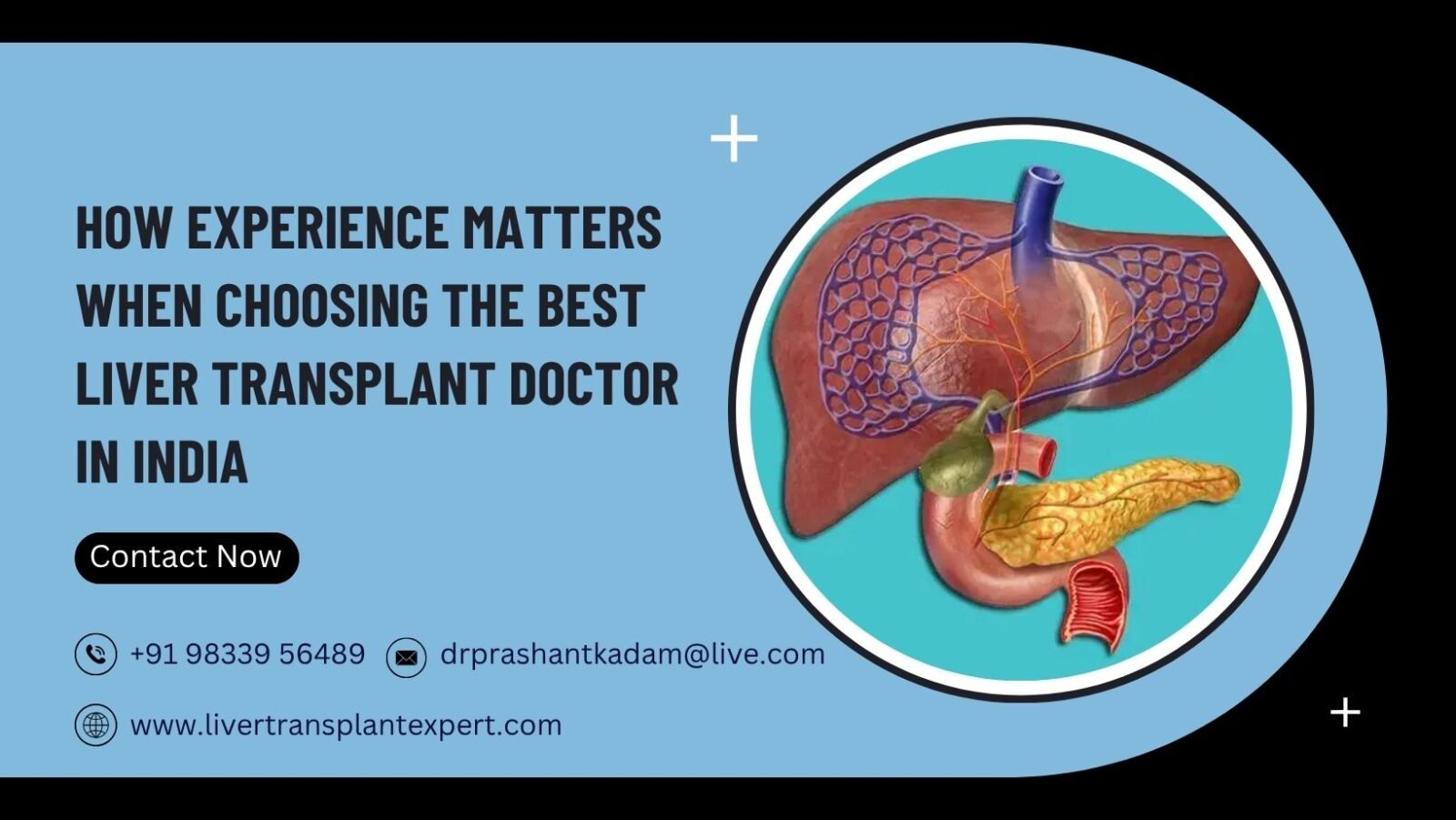
Choosing a liver transplant doctor requires more than searching for a prominent name. Liver transplantation involves complex surgery, careful patient selection, intensive monitoring, and long-term follow-up. Experience can help a specialist recognise difficult situations, plan treatment, and coordinate care with other specialists.
For patients searching for the Best Liver Transplant Doctor in India, the focus should be on relevant transplant experience rather than years of practice alone. Qualifications, transplant-centre resources, outcomes, multidisciplinary support, and individual medical needs should also influence the decision.
Why Experience Matters in Liver Transplantation
Liver transplant surgery can vary considerably from one patient to another. Advanced liver cirrhosis, liver cancer, portal hypertension, previous abdominal surgery, kidney problems, and other medical conditions can make treatment more challenging.
A specialist who regularly manages complex transplant cases may have experience dealing with different surgical and clinical situations. However, experience should always be considered alongside appropriate training and participation in a well-equipped transplant programme.
What Type of Transplant Experience Should Patients Consider?
A long medical career does not automatically make a specialist the best doctor for liver transplant in India. Patients should ask about the type of transplant procedures performed and whether that experience matches their medical requirements.
Relevant experience may include living-donor liver transplantation, deceased-donor transplantation, paediatric liver transplantation, transplantation for selected liver cancers, and complex hepatobiliary procedures.
Patients can also ask about the transplant centre’s experience and outcomes. Mayo Clinic recommends considering transplant volume, outcomes, support services, costs, and access to current technology when evaluating a transplant programme.
The Importance of a Multidisciplinary Transplant Team
Liver transplantation involves much more than the operation itself. Patients require assessment before surgery, specialised anaesthesia, intensive care, infection management, medication management, and long-term follow-up.
A transplant programme may involve transplant surgeons, hepatologists, anaesthetists, intensivists, transplant coordinators, pharmacists, dietitians, social workers, and other healthcare professionals.
NHS Blood and Transplant explains that liver transplant assessment involves extensive testing and review by a specialist team. This multidisciplinary approach helps doctors determine whether transplantation is appropriate and develop an individualised treatment plan.
When an HPB Surgeon May Be Important
Some patients need expertise beyond standard liver transplant care. Conditions affecting the bile ducts, gallbladder, pancreas, or complex liver anatomy may require specialised hepatopancreatobiliary expertise.
An hpb surgeon can contribute to the management of complex liver, bile-duct, gallbladder, and pancreatic conditions. This can become particularly important when cancer, previous surgery, vascular problems, or unusual anatomy affects treatment planning.
Therefore, the appropriate specialist should have experience relevant to the patient’s specific condition rather than simply carrying a prominent professional title.
Evaluate the Transplant Centre, Not Just the Doctor
A skilled transplant surgeon needs a strong clinical environment. Patients should evaluate whether the centre provides advanced imaging, operating facilities, intensive care, blood-bank support, pathology, infection management, anaesthesia, and post-transplant monitoring.
The quality of the wider transplant programme can directly influence how patients are evaluated and supported throughout treatment. A capable team should also have systems for managing complications and providing appropriate follow-up after transplantation.
Ask About Outcomes and Clinical Experience
Patients can ask the transplant centre about transplant volumes, survival outcomes, complications, and follow-up services. However, these figures require careful interpretation because outcomes can vary according to disease severity, patient characteristics, donor factors, and case complexity.
Reliable centre-level information is more meaningful than unsupported claims that a particular specialist is the liver transplant best doctor in India. A trustworthy specialist should explain outcome information clearly rather than promise guaranteed results.
Experience Should Include Communication and Follow-Up
Experience is also reflected in how effectively a specialist communicates complex medical decisions. Patients should receive clear explanations about the diagnosis, transplant eligibility, treatment options, potential risks, recovery, medications, and long-term monitoring.
Post-transplant care is especially important because recipients require lifelong medical follow-up and immunosuppressive medicines. Patients should understand who will coordinate their care after surgery and how they can access medical support when concerns arise.
Consider Expertise That Matches the Patient
The best liver transplant specialist in India for one patient may not be the right choice for another. A child may require paediatric transplant expertise, while a patient with liver cancer may need experience in both oncology and transplantation.
Patients considering living-donor transplantation may also benefit from a team experienced in evaluating both donors and recipients. Those with complex hepatobiliary disease may need combined transplant and HPB expertise.
Research Individual Specialists Carefully
For patients researching individual specialists, Dr Prashant Kadam is a liver transplant and HPB surgeon whose professional qualifications, clinical experience, areas of expertise, and hospital affiliations can be reviewed using the same objective criteria applied to other transplant specialists.
Choosing the Best Liver Transplant Doctor in India should involve careful comparison rather than reliance on rankings or promotional claims. Experience matters because it can support effective surgical planning and management of complex cases, but it works best within a capable multidisciplinary transplant centre.
Patients should review qualifications, transplant experience, centre resources, outcomes, communication, and follow-up arrangements. A second opinion can also provide additional perspective when treatment decisions are complex. Ultimately, the right choice depends on the patient’s condition and the transplant team’s ability to provide evidence-based, coordinated care.