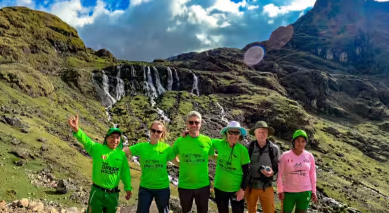
The Salkantay Trek is one of Peru’s most rewarding adventures, combining dramatic mountain scenery, remote landscapes, high-altitude passes, and an unforgettable approach to Machu Picchu. For travelers considering this route, one of the most common questions is about difficulty. Understanding the terrain, elevation, walking distances, weather, and preparation required can help you decide whether this trek matches your fitness level and travel expectations. With thoughtful preparation and experienced guidance from Alpaca Expedition, the journey can become a challenging but highly rewarding experience.
Understanding the Salkantay Trek Difficulty
When travelers ask how hot salkantay trek is, they may actually be wondering how difficult the trek becomes under different conditions. The route includes steep climbs, downhill sections, uneven trails, and significant altitude changes. The difficulty varies from day to day, with some sections requiring considerably more effort than others.
The highest portion of the classic route reaches the Salkantay Pass, where altitude can make walking feel much harder than expected. Even travelers who regularly exercise may notice shorterness of breath or slower movement at high elevations.
However, the trek is achievable for many reasonably fit travelers. You do not necessarily need advanced mountaineering experience, but you should be comfortable walking for several hours on consecutive days.
What Makes the Trek Challenging?
Several factors contribute to the overall difficulty of the Salkantay Trek.
High Altitude
Altitude is one of the biggest challenges. The Salkantay region reaches elevations where the air contains less oxygen. As a result, normal activities can require more effort.
Travelers may experience headaches, tiredness, or shortness of breath while adjusting. Spending some time acclimatizing in Cusco or another high-altitude destination before starting the trek can be beneficial.
Long Walking Days
Depending on the itinerary, trekking days can involve many hours of walking. Some days are relatively manageable, while others require greater endurance because of steep climbs and descents.
Building your walking stamina before traveling can make a noticeable difference.
Steep and Uneven Terrain
The trail passes through different environments, including mountain paths, valleys, forests, and rural landscapes. Some sections can be rocky or uneven, requiring careful footing.
Good hiking shoes with reliable traction are particularly useful.
Is Salkantay Trek Suitable for Beginners?
The Salkantay Trek can be suitable for beginners who have a reasonable level of fitness and prepare properly. Previous multi-day trekking experience is helpful but not always essential.
Beginners should focus on cardiovascular fitness, leg strength, balance, and endurance before arriving in Peru. Regular walking, hiking, stair climbing, cycling, and strength exercises can help prepare the body.
It is also important to understand that trekking at altitude feels different from exercising at sea level. Taking a steady pace and listening to your body are more important than trying to maintain the speed of other hikers.
Preparing for the Salkantay Trek
Preparation should begin several weeks before your trip. Start by increasing your walking distance gradually. Include hills or stairs in your routine when possible because the trail contains significant elevation changes.
Strengthening your legs and core can also help with long uphill and downhill sections. Squats, lunges, step-ups, and controlled bodyweight exercises are useful options.
Besides physical preparation, pack appropriately. Comfortable trekking footwear, layered clothing, rain protection, sun protection, a reusable water bottle, and essential personal items are important.
Weather in the mountains can change quickly, so travelers should be prepared for both warm and cold conditions.
Choosing the Right Itinerary
Different Salkantay itineraries offer different experiences. Some versions are designed to complete the journey over several days, while others provide additional time for relaxation, sightseeing, or acclimatization.
A longer itinerary may be preferable for travelers who want a more relaxed pace. Shorter versions can appeal to experienced hikers who are comfortable with longer walking days.
Alpaca Expedition can help travelers understand the differences between available trekking options and choose an itinerary that suits their interests, fitness level, and preferred travel style.
Why Proper Acclimatization Matters
Acclimatization is an important part of preparing for a high-altitude trek. Arriving in Cusco and immediately beginning strenuous trekking may make the experience more difficult.
Giving your body time to adjust can help you feel more comfortable before tackling higher elevations. Travelers should also stay hydrated and avoid pushing themselves excessively during the first stages of acclimatization.
Altitude affects people differently, so there is no guarantee that fitness alone will prevent altitude-related symptoms.
Enjoying the Journey Beyond the Challenge
Although the Salkantay Trek demands physical effort, the rewards extend far beyond completing each walking day. Travelers encounter impressive mountain views, changing ecosystems, rural communities, and spectacular natural scenery.
The route provides a different perspective of Peru compared with more conventional sightseeing. Each section offers something distinctive, making the physical challenge part of the adventure rather than simply an obstacle.
Reaching the Machu Picchu area after several days of trekking can make the final destination feel especially meaningful.
Conclusion
Understanding how hot salkantay trek can be is important when preparing for this adventure. While the trek includes demanding climbs, high-altitude terrain, and long walking days, good preparation can make the experience more manageable. Building endurance, acclimatizing properly, carrying suitable equipment, and maintaining a comfortable pace are all valuable. With careful planning and support from Alpaca Expedition, travelers can confidently experience the remarkable landscapes and cultural highlights of one of Peru’s most memorable trekking routes.
FAQ
Is the Salkantay Trek very difficult?
The Salkantay Trek is considered moderately to highly challenging because of altitude, steep sections, and long walking days. However, reasonably fit travelers can complete it with appropriate preparation.
Do beginners need trekking experience?
Previous trekking experience is helpful but not mandatory. Beginners should prepare with regular walking, cardio exercises, strength training, and gradual hikes before traveling.
How many hours do you walk each day?
Walking times vary depending on the itinerary and daily route. Some days are shorter, while sections involving major climbs or descents can require substantially more time.
What should I pack for the Salkantay Trek?
Essential items generally include comfortable hiking shoes, layered clothing, rain protection, sun protection, water, personal medication, and a small daypack.
Is altitude harder than the walking itself?
For many travelers, altitude can be the most challenging factor. Reduced oxygen at higher elevations can cause fatigue and shortness of breath, even for physically fit hikers.
Can Alpaca Expedition help with planning?
Yes. Alpaca Expedition can assist travelers with itinerary planning and trekking arrangements, helping them prepare for an enjoyable and memorable Salkantay adventure.