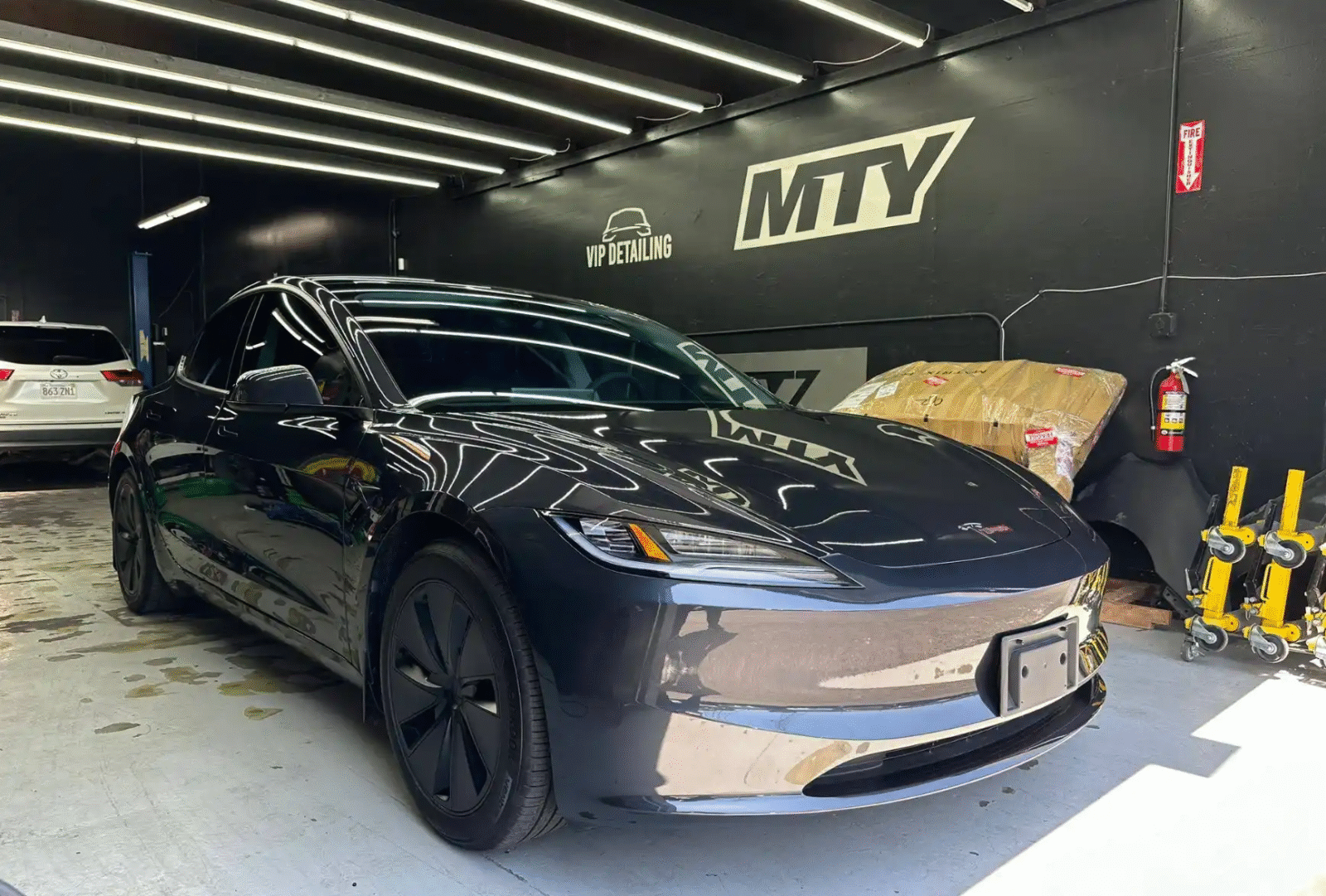
After a vehicle has been involved in an accident, restoring its appearance is one of the most important parts of the repair process. While repairing dents, replacing damaged panels, and correcting structural issues are essential steps, achieving a flawless paint finish is what truly makes the vehicle look complete again. One of the biggest concerns vehicle owners have after an accident is whether the repaired area will perfectly match the original factory color. This is where modern auto painting technology has transformed the industry. As part of Professional collision repair, advanced paint matching systems, computerized color analysis, and precision refinishing techniques now allow technicians to create nearly invisible repairs that blend seamlessly with the vehicle’s original finish.
Years ago, matching automotive paint was far more challenging. Technicians often relied heavily on visual comparisons and manual mixing methods, which sometimes resulted in slight differences between repaired and original surfaces. Today, automotive paint technology has become incredibly sophisticated. Modern repair facilities use digital tools, advanced paint formulations, and highly controlled application environments to ensure that repaired panels match the rest of the vehicle as closely as possible. Understanding how this technology works helps explain why professional auto painting has become such an important component of high-quality collision restoration.
Why Color Matching Matters After Vehicle Repairs
When a vehicle undergoes repairs after an accident, the goal is not simply to make it functional again. Owners expect the vehicle to look exactly as it did before the damage occurred. Even the slightest variation in paint color can be noticeable under certain lighting conditions and may negatively impact the overall appearance of the vehicle.
A mismatched paint repair can reduce resale value, affect customer satisfaction, and make an otherwise successful repair appear incomplete. This is especially important for modern vehicles that feature metallic finishes, pearl coatings, multi-stage paint systems, and unique manufacturer color formulas. These finishes are designed to create depth, brilliance, and visual effects that require precise replication during repairs.
Professional refinishing specialists understand that color matching is both a science and an art. Achieving factory-quality results requires advanced technology combined with years of technical expertise. Every stage of the process is carefully controlled to ensure the final finish blends naturally with the surrounding surfaces.
The Evolution of Automotive Paint Technology
Automotive paint technology has changed dramatically over the last several decades. Early vehicles often used relatively simple paint systems consisting of a limited number of colors and application methods. Color matching relied heavily on technician experience and visual judgment.
Modern vehicles utilize highly advanced paint systems that include base coats, clear coats, metallic particles, pearl additives, and specialized finishes designed to enhance durability and appearance. Manufacturers continuously develop new colors and effects that create distinctive appearances for their vehicles.
At the same time, repair technology has evolved to keep pace with these advancements. Digital color databases, spectrophotometers, computerized mixing systems, and advanced paint booths have transformed the refinishing process. Today’s technicians have access to tools that allow them to analyze and recreate colors with remarkable accuracy.
This combination of innovation and expertise enables modern repair facilities to deliver results that would have been difficult to achieve in previous decades.
Understanding Factory Paint Codes
Every vehicle is assigned a factory paint code by its manufacturer. This code identifies the original paint formula used when the vehicle was produced. Paint codes serve as an important starting point for the color matching process.
Technicians typically locate the paint code on a vehicle identification label located inside the door jamb, under the hood, or in another manufacturer-designated location. The code provides valuable information about the original paint formula and helps narrow the search for the correct color.
However, paint codes alone are not enough to guarantee a perfect match. Two vehicles with the same paint code may display slight differences due to manufacturing variations, environmental exposure, aging, and production changes. As a result, modern refinishing professionals use additional technology to refine and customize the paint formula.
The Role of Spectrophotometer Technology
One of the most significant advancements in automotive paint matching is the development of spectrophotometer technology. This sophisticated device allows technicians to analyze a vehicle’s existing paint color with incredible precision.
A spectrophotometer works by measuring how light reflects from the paint surface. The device captures detailed information about color composition, brightness, metallic content, and other characteristics that influence appearance. This data is then compared against extensive color databases containing thousands of paint formulas.
By analyzing the vehicle’s actual paint rather than relying solely on factory paint codes, technicians can identify subtle variations that may have developed over time. This helps create a more accurate formula that matches the current condition of the vehicle.
The use of spectrophotometers has dramatically improved the accuracy of color matching and reduced the likelihood of visible differences between repaired and original panels.
Computerized Color Matching Systems
Once color data has been collected, computerized color matching software helps technicians determine the most appropriate paint formula. These systems contain vast databases that include manufacturer colors, variant formulas, and adjustment recommendations.
The software compares the vehicle’s paint characteristics against available formulas and identifies the closest match. Technicians can then make further refinements based on their observations and experience.
Computerized systems provide several important advantages. They reduce guesswork, improve consistency, and allow technicians to access highly detailed information that would be impossible to manage manually. This technology helps ensure that the selected formula accurately reflects the vehicle’s existing finish.
As automotive paint systems become more complex, computerized color matching continues to play an increasingly important role in delivering high-quality repairs.
Precision Paint Mixing Technology
After identifying the correct formula, technicians use computerized paint mixing systems to prepare the paint. Modern automotive paint formulas often contain numerous pigments, metallic additives, and specialty ingredients that must be measured with exceptional accuracy.
Computerized mixing systems use digital scales and automated dispensing equipment to ensure precise measurements. Even small deviations can affect the final appearance of the paint, making accuracy essential.
By controlling every component of the formula, these systems help create consistent results across different repair jobs. This level of precision allows technicians to reproduce complex colors that would be extremely difficult to mix manually.
Accurate mixing is one of the key factors that contribute to successful color matching and long-lasting refinishing results.
Accounting for Paint Aging and Environmental Exposure
One challenge in automotive refinishing is that vehicle paint changes over time. Exposure to sunlight, weather conditions, road contaminants, and environmental pollutants can gradually alter the appearance of the original finish.
Even well-maintained vehicles may experience slight fading or changes in color intensity over several years. This means that a freshly mixed factory formula may not perfectly match the vehicle’s current appearance.
Modern paint matching technology addresses this challenge by analyzing the existing paint condition and adjusting formulas accordingly. Technicians consider factors such as age, exposure history, and surface condition when creating the final paint mixture.
This ability to compensate for aging helps ensure that repairs blend naturally with surrounding panels rather than appearing noticeably newer or different.
The Importance of Test Panels
Before applying paint to the vehicle, technicians often create test panels to verify color accuracy. These sample panels allow refinishing specialists to evaluate the paint under controlled conditions and compare it directly with the vehicle.
Test panels help identify any necessary adjustments before the final application begins. Factors such as lighting conditions, metallic orientation, and clear coat effects can influence the appearance of the paint.
By performing this additional quality control step, technicians reduce the likelihood of errors and improve overall refinishing accuracy. This attention to detail contributes significantly to the quality of the finished repair.
Advanced Paint Booth Technology
Even perfectly matched paint formulas require proper application techniques to achieve optimal results. Modern paint booths provide highly controlled environments that support consistent and professional-quality refinishing.
Paint booths regulate temperature, humidity, airflow, and contamination levels throughout the painting process. These factors have a direct impact on paint performance and appearance.
Dust particles, moisture, and temperature fluctuations can create imperfections that affect the final finish. Controlled environments help eliminate these risks and ensure that paint cures properly.
The use of advanced paint booth technology is an essential component of modern auto painting and helps deliver the smooth, flawless finishes customers expect.
Blending Techniques Create Seamless Repairs
In many cases, technicians do not simply repaint the damaged panel. Instead, they use blending techniques to gradually transition the new paint into adjacent panels.
Blending helps eliminate visible color differences and creates a seamless appearance across the repaired area. This process is especially important for metallic and pearl finishes, where slight variations can become more noticeable.
Experienced technicians carefully control paint application and feathering techniques to achieve smooth transitions. The result is a repair that is virtually impossible to detect without close inspection.
Blending remains one of the most effective methods for achieving factory-quality refinishing results.
Clear Coat Technology Enhances Appearance and Protection
After the color coat has been applied, technicians add a clear coat layer to complete the refinishing process. Modern clear coats provide both visual enhancement and long-term protection.
The clear coat creates depth, gloss, and reflectivity that give automotive finishes their distinctive appearance. It also protects the underlying color coat from ultraviolet radiation, moisture, chemicals, and environmental contaminants.
Advanced clear coat formulations are designed to resist fading, scratching, and weather-related deterioration. This helps preserve the appearance of the repair and maintain vehicle value over time.
Proper clear coat application is essential for achieving a finish that matches factory standards.
Quality Control Ensures Accurate Results
Before a vehicle is returned to its owner, the refinishing work undergoes extensive quality inspection. Technicians evaluate color consistency, gloss levels, surface smoothness, and overall appearance under various lighting conditions.
Multiple inspections help identify any imperfections that may require correction. This commitment to quality ensures that repairs meet professional standards and customer expectations.
By combining technology, craftsmanship, and thorough quality control procedures, modern refinishing facilities can deliver exceptional results that restore both appearance and value.
Why Professional Auto Painting Makes a Difference
Although paint matching technology has advanced significantly, successful refinishing still depends on skilled technicians who understand how to apply these tools effectively. Experience, training, and attention to detail remain essential components of the process.
Professional repair facilities invest heavily in advanced equipment, ongoing training, and high-quality materials to achieve superior results. Their expertise allows them to address challenges that automated systems alone cannot solve.
Vehicle owners who choose professional refinishing services benefit from improved color accuracy, enhanced durability, and a higher-quality finish. These advantages help protect the vehicle’s appearance and maintain its long-term value.
Conclusion
Modern auto painting technology has revolutionized the way collision repairs are performed. Through the use of spectrophotometers, computerized color matching systems, precision mixing equipment, advanced paint booths, and sophisticated blending techniques, technicians can achieve remarkably accurate color matches that restore vehicles to their pre-accident appearance. What once relied heavily on visual estimation has become a highly technical process supported by cutting-edge tools and specialized expertise.
As vehicle finishes continue to become more advanced, modern refinishing technology will remain essential for maintaining quality and customer satisfaction. When combined with professional workmanship, these innovations allow damaged vehicles to regain both their beauty and value while ensuring repairs meet the highest industry standards.
Trusted Auto Painting and Collision Repair Solutions From MTY Collision
For vehicle owners seeking high-quality refinishing and restoration work, MTY Collision provides expert auto body repair and paint services throughout the San Francisco Bay Area. Their experienced technicians utilize advanced color matching technology, professional refinishing systems, and industry-leading repair techniques to restore vehicles to factory-quality standards. Whether your vehicle requires paint correction, panel refinishing, structural restoration, or complete accident recovery, MTY Collision is committed to delivering outstanding results and exceptional customer care. Their comprehensive Collision repair services help ensure that every vehicle receives the attention, precision, and craftsmanship needed to look its best after an accident.