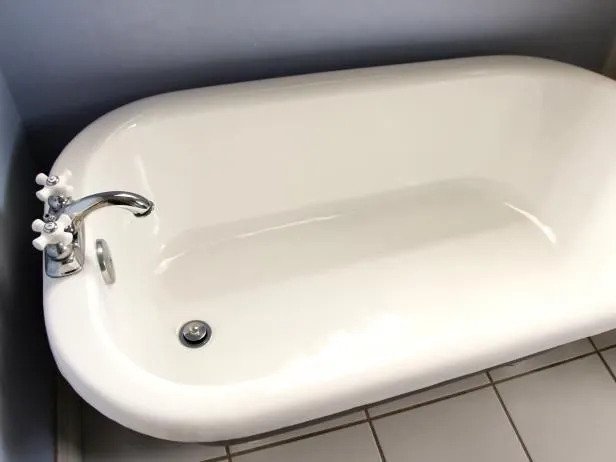
An aging bathtub can make an entire bathroom feel outdated. Stains, scratches, faded surfaces, small chips, and peeling finishes are common signs that a tub has seen better days. For homeowners in Toronto and the GTA, replacing the entire fixture is one option, but it can involve demolition, plumbing work, disposal, and additional renovation costs.
Restoring the existing tub can be a simpler alternative when the fixture is still structurally sound. Bathtub reglazing can refresh the surface, repair minor cosmetic damage, and give an older fixture a cleaner appearance. Before choosing a contractor, homeowners should understand what the process includes, what affects the price, and how to tell whether refinishing is suitable for their bathroom.
Why Homeowners Choose to Restore an Old Bathtub
Bathtubs experience constant exposure to water, soap, cleaning products, and everyday wear. Over time, even a well-maintained tub can lose its original finish. Older bathrooms may also have colours or surfaces that no longer match a homeowner’s preferred style.
Common problems include:
- Dull or faded surfaces
- Stubborn stains
- Small chips and scratches
- Peeling or damaged coatings
- Rough areas that are difficult to clean
- Outdated colours
- Minor surface imperfections
Toronto has a wide mix of older homes, condos, rental properties, and renovated houses. In some cases, the bathtub itself remains usable even though its appearance has deteriorated. Restoring it can allow homeowners to improve the bathroom without turning a surface problem into a major renovation.
The key is determining whether the tub is a good candidate for restoration. A professional should inspect the fixture before recommending a solution.
What the Refinishing Process Usually Involves
Professional refinishing is not simply a matter of applying paint over an old surface. Preparation plays a major role in how well the new finish bonds and how long it remains attractive.
The process generally starts with an inspection. The technician looks at the bathtub material, existing finish, damage, previous coatings, and overall condition. This helps determine what preparation and repair work may be required.
Next, the surface is thoroughly cleaned. Soap residue, oils, mineral buildup, and other contaminants need to be removed before further preparation can begin.
Damaged areas may then be repaired. Depending on the condition of the tub, this can include addressing chips, scratches, or other imperfections. The surface is prepared through appropriate sanding or other preparation methods so the new coating can bond properly.
After preparation, suitable primers, bonding products, and finishing materials are applied according to the requirements of the bathtub surface. The technician then creates the new finish and protects surrounding bathroom areas during the work.
Cleanup is also part of a professional job. Homeowners should receive clear instructions about curing time, cleaning products, and when the bathtub can safely be used again.
Understanding Bathtub Reglazing Toronto Cost
There is no single price that applies to every bathtub restoration project. Homeowners searching for bathtub reglazing Toronto cost should understand that estimates can vary based on the condition of the tub and the amount of preparation required.
Some of the biggest pricing factors include:
- Bathtub size and design
- Existing surface condition
- Number and severity of chips or damaged areas
- Previous coatings or refinishing work
- Type of bathtub material
- Labour and preparation time
- Accessibility of the bathroom
- Colour or finish requirements
- Additional repairs
- Contractor experience and warranty coverage
A straightforward project involving a sound bathtub with limited damage may require less work than a badly worn fixture with several repairs.
Instead of choosing a contractor based only on the lowest advertised price, ask what the estimate includes. A professional quotation should make it reasonably clear whether cleaning, preparation, repairs, coating, finishing, and cleanup are included.
Homeowners should also be cautious about unusually low estimates that leave out important preparation work. Saving money at the beginning may not be worthwhile if poor preparation leads to peeling or premature coating failure.
How to Decide Between Refinishing and Replacement
The condition of the bathtub should guide the decision.
Replacement may make more sense when the tub has serious structural damage, significant deterioration, major leaks, or problems that cannot be addressed through surface restoration. A homeowner planning a complete bathroom renovation may also prefer a new fixture as part of the overall design.
Refinishing can be worth considering when the bathtub is structurally sound but has cosmetic problems. It may provide a way to improve the appearance without removing the existing fixture.
The decision should also consider the surrounding bathroom. Removing a tub can affect walls, flooring, tile, plumbing connections, and other finished surfaces. Restoring the existing fixture may reduce the amount of disruption involved in a smaller bathroom improvement project.
Practical Questions to Ask Before Hiring a Contractor
A little preparation can help homeowners avoid disappointing results.
Before accepting an estimate, ask:
- Is my bathtub suitable for refinishing?
- What preparation will the surface receive?
- Will chips and scratches be repaired before coating?
- What materials will be used?
- How long will the project take?
- How long must the bathtub remain unused?
- What maintenance products should I use afterward?
- Does the work include a written warranty?
- Can I see examples of previous projects?
- What exactly is included in the quoted price?
A contractor should be willing to explain the process clearly. If an estimate is vague or the technician cannot explain how the surface will be prepared, homeowners should consider getting another opinion.
For Toronto homeowners, it is also useful to confirm that the contractor regularly works with the type of bathtub installed in the property. Porcelain, fiberglass, acrylic, and other surfaces can have different preparation requirements.
Warning Signs That Your Tub Needs Attention
Some bathtub problems are mainly cosmetic, while others may indicate a larger issue.
Watch for:
- Coating that is peeling or lifting
- Cracks that appear to be growing
- Persistent stains that normal cleaning cannot remove
- Exposed areas underneath damaged coating
- Repeated water problems around the tub
- Rough surfaces that continue to deteriorate
- Previous refinishing that has started to fail
A small cosmetic issue does not necessarily require immediate replacement. However, delaying an inspection can allow a manageable problem to become more complicated.
If there is structural damage or a suspected leak, surface refinishing should not be treated as a substitute for proper repair.
DIY Tub Refinishing vs Professional Work
DIY kits can be tempting for homeowners who want to reduce upfront expenses. They may be suitable for someone with experience following detailed preparation and application instructions.
However, tub refinishing requires careful surface preparation, proper application, and adequate curing time. Mistakes at any stage can affect adhesion, durability, and the final appearance.
Professional work generally offers the advantage of experience, proper preparation techniques, suitable equipment, and knowledge of different bathtub materials. Companies such as Reglazed Bathtubs focus on restoring existing bathroom surfaces and can assess whether a tub is suitable for professional refinishing.
For a small project where appearance is not critical, a capable homeowner may consider DIY. For a main bathroom, expensive fixture, difficult surface, or heavily damaged finish, professional assistance can reduce the risk of an unsatisfactory result.
Maintaining the New Finish
Good maintenance helps protect a refinished bathtub after the work is complete.
Homeowners should follow the contractor’s cleaning recommendations and avoid abrasive products or harsh tools that could damage the surface. Soft cleaning materials and suitable non-abrasive products are generally a better choice.
Do not place sharp or heavy objects directly on the finished surface. Address leaking faucets and plumbing problems promptly so water does not continually affect the surrounding areas.
Most importantly, follow the contractor’s instructions regarding curing time. Using the bathtub before the coating has properly cured can interfere with the finished surface.
Making a Smart Decision for Your Bathroom
Restoring an existing bathtub can be a practical choice when the fixture is still structurally sound but has an aging or damaged surface. The right solution depends on the bathtub’s condition, the homeowner’s expectations, the scope of the bathroom project, and the quality of the proposed work.
A good contractor should provide a clear assessment rather than automatically recommending the most expensive option. Compare estimates, ask about preparation and warranty coverage, and make sure you understand the maintenance requirements before the work begins.
For dependable results, homeowners can consult experienced local bathtub refinishing professionals to determine whether restoration is the right choice for their existing tub.