Have you ever wondered why professional workshops seem to get through tasks so much faster than DIY setups at home? What makes the difference between a job that takes all day and one that’s wrapped up before lunch? Could the secret weapon be hiding in plain sight—powered by nothing more than compressed air?
Pneumatic tools have quietly revolutionised how tradespeople across Australia tackle their daily workloads. From bustling automotive workshops in Melbourne to construction sites in Perth, these air-powered champions are helping professionals work smarter, not harder. They deliver impressive power without the bulk, keep going strong through demanding shifts, and rarely let you down when deadlines loom.
In this guide, we’ll explore exactly how pneumatic tools can transform your productivity and performance. You’ll discover the mechanics behind these reliable workhorses, understand their key advantages over electric alternatives, and learn which industries benefit most from making the switch. Whether you’re running a small business or managing a large-scale operation, you’ll walk away knowing exactly how to choose, maintain, and get the most from your air-powered equipment.
What Are Pneumatic Tools and How Do They Work?
The Basic Mechanics Behind Air-Powered Tools
Pneumatic tools operate on a beautifully simple principle: compressed air creates motion. An air compressor draws in atmospheric air, compresses it, and stores it in a tank. When you connect your tool and pull the trigger, that pressurised air flows through hoses and powers internal mechanisms—usually pistons or rotary vanes—that drive the tool’s function.
This straightforward design is precisely why pneumatic tools are so reliable. Fewer electrical components mean fewer things can go wrong. There’s no motor to overheat, no batteries to drain, and no complex circuitry to fail. The tool itself becomes almost indestructible in the right hands.
Common Types of Pneumatic Tools Used Across Industries
The range of air-powered tools available today is genuinely impressive. Impact wrenches dominate automotive workshops, making short work of stubborn wheel nuts. Nail guns have transformed carpentry and construction, driving fasteners in a fraction of the time hand-hammering would take.
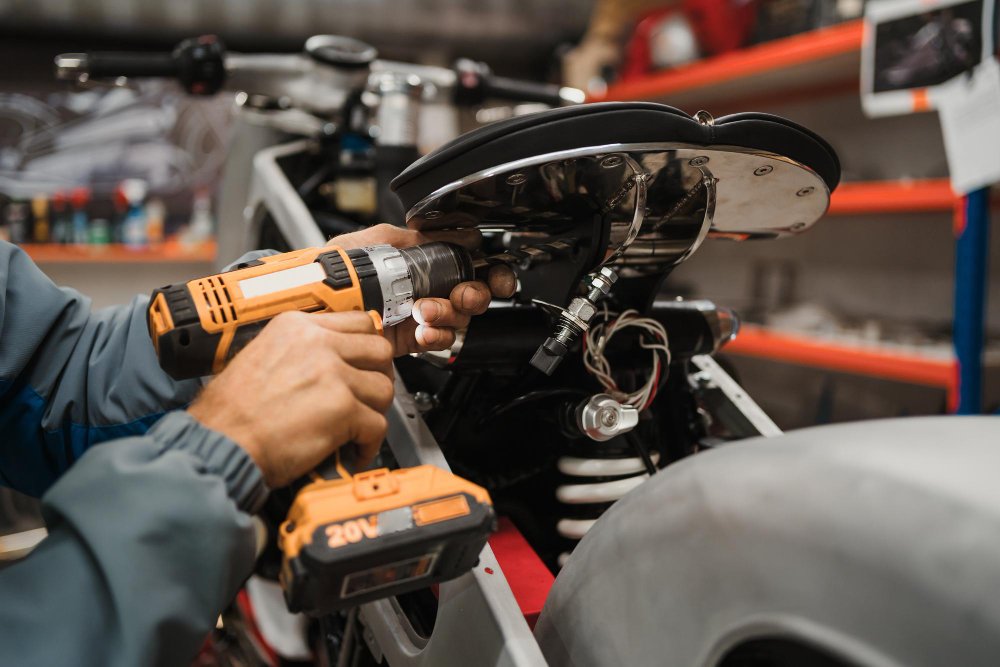
Beyond these, you’ll find pneumatic grinders, sanders, spray guns, drills, and ratchets. Each serves a specific purpose, yet all share those core advantages of power, reliability, and consistent performance. Sanders powered by compressed air, for instance, deliver smooth finishes without the vibration fatigue that electric versions often cause.
Key Benefits of Pneumatic Tools for Productivity
Superior Power-to-Weight Ratio
Here’s where pneumatic tools truly shine. Because the power source sits externally in the compressor, the tools themselves can be remarkably lightweight. A pneumatic impact wrench delivering serious torque might weigh half as much as its electric equivalent.
This matters enormously when you’re using tools overhead or in awkward positions. Less weight means better control, more precise work, and less strain on your arms and shoulders throughout the day.
Faster Task Completion Times
Speed is money in any trade, and pneumatic tools deliver it in spades. An air-powered nail gun can drive dozens of fasteners in the time it takes to hammer just a few by hand. Impact wrenches remove or tighten bolts almost instantaneously.
This efficiency compounds across a workday. Tasks that once consumed hours now take minutes. Projects finish ahead of schedule. Clients get impressed, and your reputation grows.
Reduced Operator Fatigue During Long Shifts
Lighter tools combined with consistent power output means your team stays fresher throughout their shifts. When fatigue sets in, mistakes happen—and mistakes cost time, materials, and potentially safety.
Pneumatic tools maintain steady performance whether it’s the first job of the morning or the last task before knocking off. Your workers can sustain their productivity levels without burning out.
Consistent Performance Under Heavy Workloads
Unlike battery-powered tools that lose punch as charge depletes, pneumatic tools deliver identical performance from start to finish. As long as your compressor maintains adequate pressure, every trigger pull produces the same result.
This consistency is invaluable for quality-critical work. When you need precise torque settings or uniform finishes across hundreds of components, air tools won’t let you down.
How Do Pneumatic Tools Compare to Electric Tools?
Performance Differences in Real-World Applications
Electric tools have improved dramatically in recent years, particularly cordless models. However, pneumatic tools still hold distinct advantages in demanding applications. They typically deliver more torque per weight, run cooler during extended use, and handle continuous operation without the rest periods batteries require.
For intermittent, light-duty work, modern cordless tools often make sense. But when you’re facing heavy-duty tasks day after day, pneumatic options consistently outperform.
Cost Considerations: Upfront vs Long-Term Value
Initial investment for a pneumatic setup—including compressor, hoses, and fittings—exceeds buying a standalone electric tool. However, the long-term picture looks different. Pneumatic tools typically last longer, cost less to repair, and don’t require expensive battery replacements every few years.
Additionally, once you have a compressor, adding new pneumatic tools to your collection is remarkably affordable. The tools themselves cost less than their electric counterparts because they lack internal motors and electronics.
Which Tool Type Suits Your Workshop Best?
Consider your workload honestly. If you’re performing heavy-duty tasks regularly, pneumatic tools will likely serve you better. If portability matters most and your work is lighter, cordless electric might be the way forward.
Many workshops sensibly run both systems. They use pneumatic tools at fixed workstations and reserve cordless options for mobile work or site visits.
Are Pneumatic Tools Worth the Investment for Small Businesses?
Calculating Return on Investment
For small businesses, every purchase needs justification. Calculate how much time your current tools add to each job. Factor in maintenance costs, battery replacements for cordless tools, and the potential for increased job capacity with faster equipment.
Many small workshop owners find pneumatic tools pay for themselves within months through improved efficiency. The maths often speaks clearly once you crunch the numbers properly.
Scenarios Where Pneumatic Tools Make Sense
If your business involves repetitive fastening, grinding, or finishing tasks, pneumatic tools make excellent sense. Automotive workshops, furniture makers, and building contractors typically benefit most.
Conversely, if you’re working solo on varied sites without power access, the portability limitations of pneumatic systems might outweigh their advantages.
Industries That Benefit Most from Pneumatic Tools
Automotive and Panel Beating
Mechanics and panel beaters rely heavily on pneumatic tools. Impact wrenches, air ratchets, and spray guns are workshop staples. The power-to-weight ratio proves invaluable when working in engine bays or under vehicles.
Construction and Building Trades
Nail guns, staplers, and pneumatic sanders dominate construction sites across Australia. Framing crews, roofers, and fit-out teams all benefit from the speed and reliability these tools provide.
Manufacturing and Assembly Lines
Production environments demand consistent, repeatable performance. Pneumatic screwdrivers and fastening tools deliver exactly that, maintaining quality standards across thousands of operations.
Mining and Heavy Industry Applications in Australia
Australia’s mining sector presents extremely demanding conditions. Pneumatic tools handle dust, heat, and constant use better than most alternatives, making them preferred choices in these challenging environments.
What Maintenance Do Pneumatic Tools Require?
Essential Daily and Weekly Maintenance Tasks
Good maintenance starts with draining moisture from your compressor tank daily. Moisture causes rust internally and degrades performance. Weekly, inspect hoses for damage, check fittings for leaks, and lubricate tools according to manufacturer guidelines.
Extending the Lifespan of Your Air Tools
Quality air line filters prevent contaminants reaching your tools. Regular oiling keeps internal components moving smoothly. Store tools properly when not in use, and address any performance changes promptly before small issues become expensive problems.
How to Choose the Right Pneumatic Tools for Your Needs
Matching Tools to Specific Tasks
Start by listing your most common tasks. Research which pneumatic tools handle those jobs best. Prioritise quality over price for tools you’ll use daily—they’ll repay the investment through reliability and longevity.
Understanding CFM and PSI Requirements
Every pneumatic tool requires specific air pressure (PSI) and volume (CFM). Your compressor must meet or exceed these requirements for optimal performance. Check these specifications carefully before purchasing to avoid disappointing mismatches.
Safety Considerations When Using Pneumatic Tools
Compressed air demands respect. Always wear appropriate eye and ear protection. Never point air tools at yourself or others. Disconnect tools before adjustments or maintenance. Keep hoses clear of trip hazards and inspect equipment regularly for wear.
Proper training matters too. Make sure everyone using pneumatic tools understands safe operation procedures and emergency protocols.
Maximising Efficiency with the Right Air-Powered Equipment
Pneumatic tools represent a proven pathway to improved productivity and performance across countless Australian industries. Their combination of power, reliability, and consistency makes them invaluable assets for serious tradespeople and businesses alike.
The key lies in choosing wisely. Match your tools to your actual needs, invest in adequate air supply, and commit to proper maintenance. Do this, and your pneumatic equipment will reward you with years of dependable service and measurably improved output.
Whether you’re running a small automotive workshop or managing a large construction operation, the principles remain the same. Invest thoughtfully, maintain diligently, and watch your productivity climb. Your tools are only as good as the care you give them—but give pneumatic tools that care, and they’ll work wonders for your business.