Discussions of well-being often emphasise exercise, nutrition, and mental health, but the spaces where we live are equally important. Home design directly affects sleep quality, productivity, social interaction, and stress. Small architectural choices can make routines either effortless or challenging, ultimately influencing the rhythms of everyday life.
The Role of Natural Light
One of the most important elements in residential design is access to natural light. Homes that receive adequate daylight feel more welcoming and comfortable. Bright interiors can reduce reliance on artificial lighting during the day and create a stronger connection to the outdoors.
Research has shown that exposure to natural light helps regulate sleep cycles and supports mental well-being. A well-lit living room can encourage family members to spend more time together, while a naturally bright workspace can improve focus during work hours.
The placement of windows, balconies, and open areas is more than an architectural decision. It directly affects how residents experience their daily lives.
Open Spaces Create Breathing Room
Urban living brings challenges such as traffic, noise, and limited personal space. In these settings, access to open areas within residential communities is especially valuable.
Parks, walking paths, gardens, and recreational zones provide opportunities to step away from screens and routines. Even a short walk in a green space can refresh the mind after a busy day.
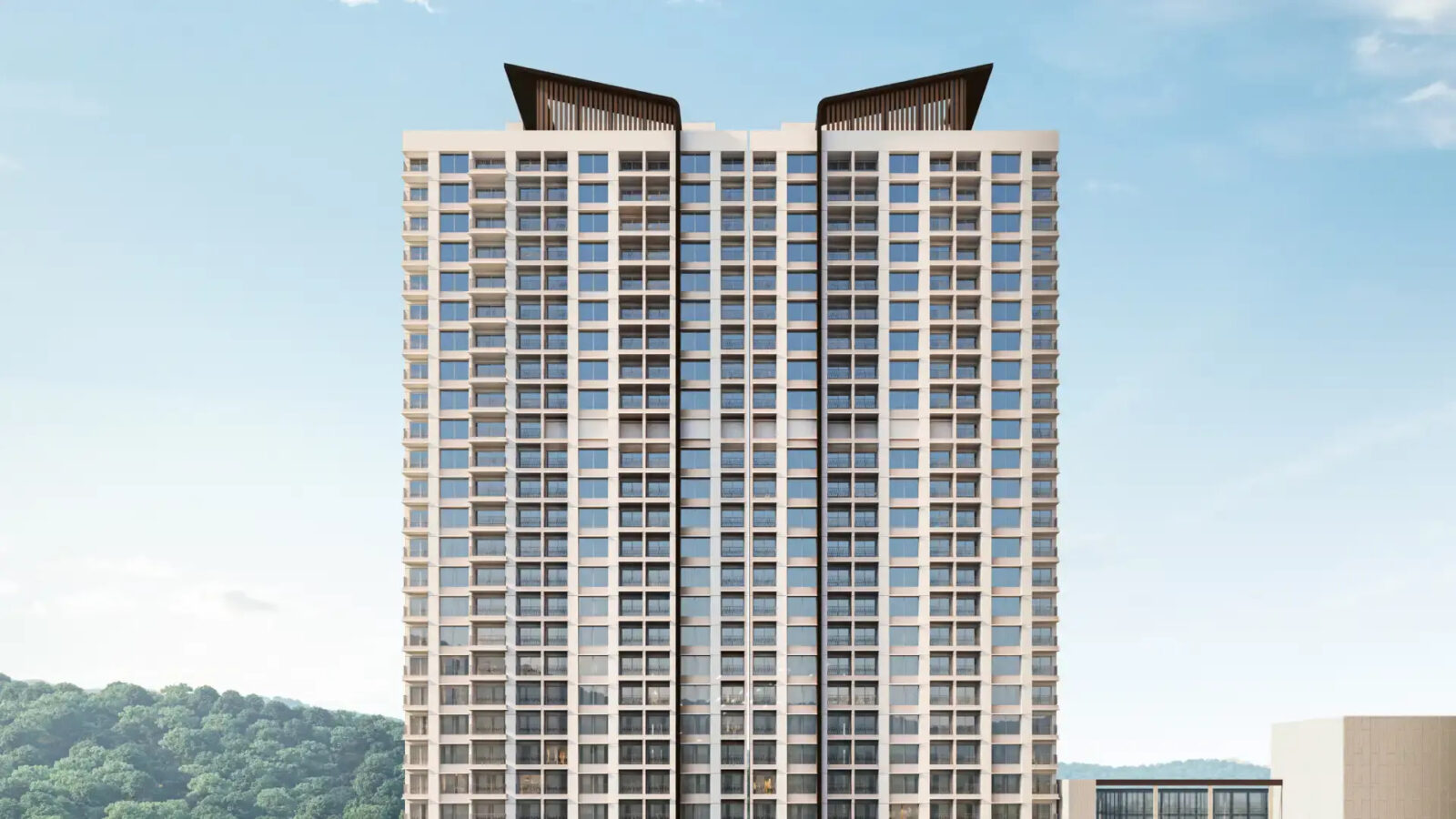
Many modern developments now prioritise integrating outdoor spaces into residential planning. Projects like Joyville Sensorium reflect the growing preference for environments that balance built areas with spaces for relaxation and recreation. Features such as walking zones or outdoor seating help residents manage stress and reconnect with nature, even in urban environments.
Thoughtful Layouts Reduce Daily Friction
Home layout directly affects the comfort of daily activities. Small design decisions often have a greater impact than expected.
For example, a kitchen with efficient movement space can make meal preparation less stressful. Bedrooms positioned away from noisy areas support better rest. Adequate storage solutions help reduce clutter, creating a calmer atmosphere.
When spaces support daily routines, residents spend less time adjusting to their surroundings and more time focusing on what matters to them. This can contribute to a greater sense of ease throughout the day.
Community Design Shapes Social Well-Being
Well-being is shaped not only by personal factors but also by social connections and a sense of belonging.
Residential communities that include shared spaces encourage interaction among residents. Children have places to play, older adults find opportunities for social engagement, and neighbours have natural settings for conversation.
This sense of community is especially important in cities, where people often lead busy, independent lives. Shared amenities and gathering spaces create opportunities for relationships to develop naturally over time.
Developers such as Shapoorji Pallonji Real Estate emphasise the importance of creating environments that support both private living and social interaction in community-focused residential planning.
The Connection Between Nature and Mental Wellness
Research indicates that nature has positive effects on mental health. Incorporating greenery into residential design helps residents feel more connected to the natural world, even in cities.
Views of trees, gardens, water features, and green pathways create a calming visual experience. While these elements may appear decorative, they often influence how people feel in a space.
The value of nature became especially apparent during periods when people spent extended time indoors. Access to greenery, even within residential premises, offered moments of relief and helped break the monotony of indoor routines.
Designing for Changing Lifestyles
Expectations for homes continue to change as remote work, online learning, fitness activities, and digital entertainment become part of daily life.
As lifestyles change, residential design must adapt. Flexible spaces that serve multiple purposes are becoming increasingly important. A room might function as a study during the day and a family space in the evening. Common amenities can support work, recreation, or community activities as needed.
Rising interest in developments like Joyville signals a broader shift in how homes are designed to support multiple aspects of modern living. Flexible layouts, multi-use spaces, and practical planning help families balance work, rest, and recreation. Features such as reading nooks, adaptable workspaces, or quiet zones can make a significant difference during demanding times.
Conclusion
Residential design affects much more than appearance. It shapes how people rest, interact, work, exercise, and spend time with family. Natural light, open spaces, community planning, greenery, and practical layouts all contribute to daily experiences that influence well-being.
As cities grow, thoughtful residential planning will become even more important in supporting healthier, more balanced lifestyles. While living spaces do not determine happiness alone, they can create conditions that make daily life more comfortable, connected, and fulfilling.