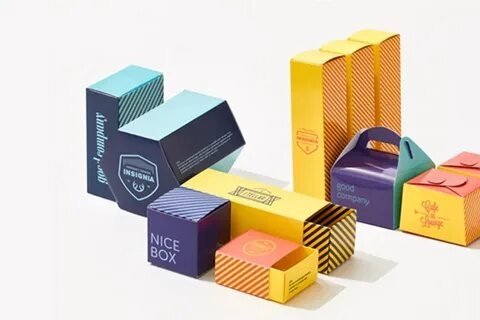
Most purchases in a store or online aren’t the result of long, careful comparison. Shoppers are busy, choices are many, and time is short. So people rely on mental shortcuts: quick impressions that help them decide without analyzing every detail. Packaging gives them many of those shortcuts. It’s the visible, touchable evidence they use to judge an unfamiliar product in a few seconds.
At The Boxology.US, we design packaging with these decision patterns in mind. Here’s how retail packaging influences buying decisions, why it works, and how to use it responsibly.
How Shoppers Actually Decide
Researchers who study consumer behavior often describe buying as a series of quick judgments rather than one big calculation. A shopper typically moves through a few questions, usually without realizing it:
- Do I notice this?
- Do I understand what it is?
- Do I trust it?
- Does it seem worth the price?
- Does it feel like a safe choice?
Packaging influences every one of these. The effect varies by product category, shopper, and setting, so treat the ideas below as useful patterns rather than guarantees.
Question One: Do I Notice This?
Attention Comes First
A package that isn’t noticed can’t be chosen. Color, contrast, shape, and placement all affect whether a product catches the eye among competitors.
What Helps
- A clear, distinctive color
- Strong contrast between background and text
- A shape or structure that differs from neighbors
- Consistent branding that shoppers already recognize
Question Two: Do I Understand What It Is?
Clarity Reduces Effort
Shoppers tend to favor products they can understand quickly. If a package is cluttered or confusing, many people move on rather than work it out.
What Helps
- A clear product name and type
- A simple visual hierarchy
- One or two key benefits, not ten
- A clean, readable layout
Question Three: Do I Trust It?
Packaging as a Quality Signal
When shoppers can’t test a product, they use packaging as evidence of quality. Sturdy construction, neat printing, and careful details suggest a product made with care. Sloppy printing or flimsy materials can raise doubts, even if the product itself is excellent.
What Helps
- Good materials and accurate printing
- Clear labeling and honest claims
- Windows that show the real product
- Signs of care, such as tidy finishing and consistent design
Question Four: Does It Seem Worth the Price?
Presentation Shapes Perceived Value
People often judge price relative to what they see and feel. A well-presented product can feel worth more, while an ordinary package can make a premium price feel hard to justify.
What Helps
- Finishes and structures that match the price point
- Premium touches where they matter most, such as the lid or interior
- Consistency between package quality and the product’s positioning
The goal isn’t to disguise a weak product. It’s to make sure the packaging honestly reflects the quality inside.
Question Five: Does It Feel Like a Safe Choice?
Reducing Perceived Risk
Buying something unfamiliar involves a small risk: it might not work, or it might disappoint. Packaging can lower that feeling through clear information, recognizable design, and signs of legitimacy.
What Helps
- Clear, accurate product information
- Familiar category cues, such as typical colors or shapes shoppers expect
- Reassuring details like tamper-evident seals where appropriate
- Consistent branding that matches the website and other channels
The Role of the Senses
Sight
Color, imagery, and layout do most of the work at a distance.
Touch
Weight, texture, and finish matter once a shopper picks the product up. A pleasant feel can encourage a closer look.
Sound and Movement
Small details, like how a lid opens, can add to the impression, especially for premium products.
Familiarity and Consistency
People tend to feel more comfortable with brands they recognize. Consistent packaging across products and channels builds familiarity, which makes repeat purchases easier. Changing designs too often can weaken that recognition.
When Packaging Can Work Against You
Packaging doesn’t only help. It can also hurt a purchase when:
- It overpromises, creating disappointment later
- It looks confusing or cluttered
- It feels cheap compared with the price
- It makes claims that aren’t supported
- It’s hard to open or use, which can affect repeat buying
Honest, clear packaging builds trust, while exaggeration tends to backfire.
Using These Ideas Responsibly
Understanding buyer psychology is useful, but it should serve customers, not trick them. The best packaging helps people make good choices by presenting accurate information clearly and delivering on its promise. Claims about quality, sustainability, or performance should always be supportable, and requirements for labeling vary by product and region.
Practical Steps for Brands
Test With Real People
Show mockups to a few shoppers and ask what they notice first, what they think the product is, and how much they’d expect to pay. Their answers often reveal gaps.
Compare Against Competitors
Place your design next to others in the category and look at it from a distance.
Check Each Decision Question
Walk through the five questions above and see how your packaging answers each one.
Keep Improving
Small changes, such as clearer text or a better finish, can help. Track feedback and reviews to see what customers say about your packaging.
Common Mistakes to Avoid
- Packing too many messages onto the front
- Choosing style over clarity
- Making unsupported claims
- Ignoring how the package feels as well as how it looks
- Skipping samples and real-world testing
A Quick Buying-Decision Checklist
- ☐ Does the package stand out from competitors?
- ☐ Is it clear what the product is within a few seconds?
- ☐ Do materials and printing signal quality?
- ☐ Does the packaging fit the price point?
- ☐ Is information accurate and reassuring?
- ☐ Is branding consistent with other channels?
- ☐ Has it been tested with real people?
How The Boxology.US Helps Brands Design for Decisions
At The Boxology.US, we help brands create packaging that communicates clearly and signals quality. Our services include:
- Custom sizes, shapes, and structures
- Window, die-cut, and specialty options
- Printing, foil, embossing, and soft-touch finishes
- Rigid, folding carton, and corrugated packaging
- Free 3D mockups and physical samples before production
- Low minimum order quantities for growing brands
Note: Labeling, claims, and product information requirements vary by product type and region. Always confirm current requirements with a qualified advisor.
Packaging doesn’t make the decision for the shopper, but it gives them the clues they use. When those clues are clear, honest, and well designed, buyers can choose with confidence.
Ready to design packaging that helps customers decide? Get a free quote from The Boxology.US today and start building packaging that earns trust at a glance.