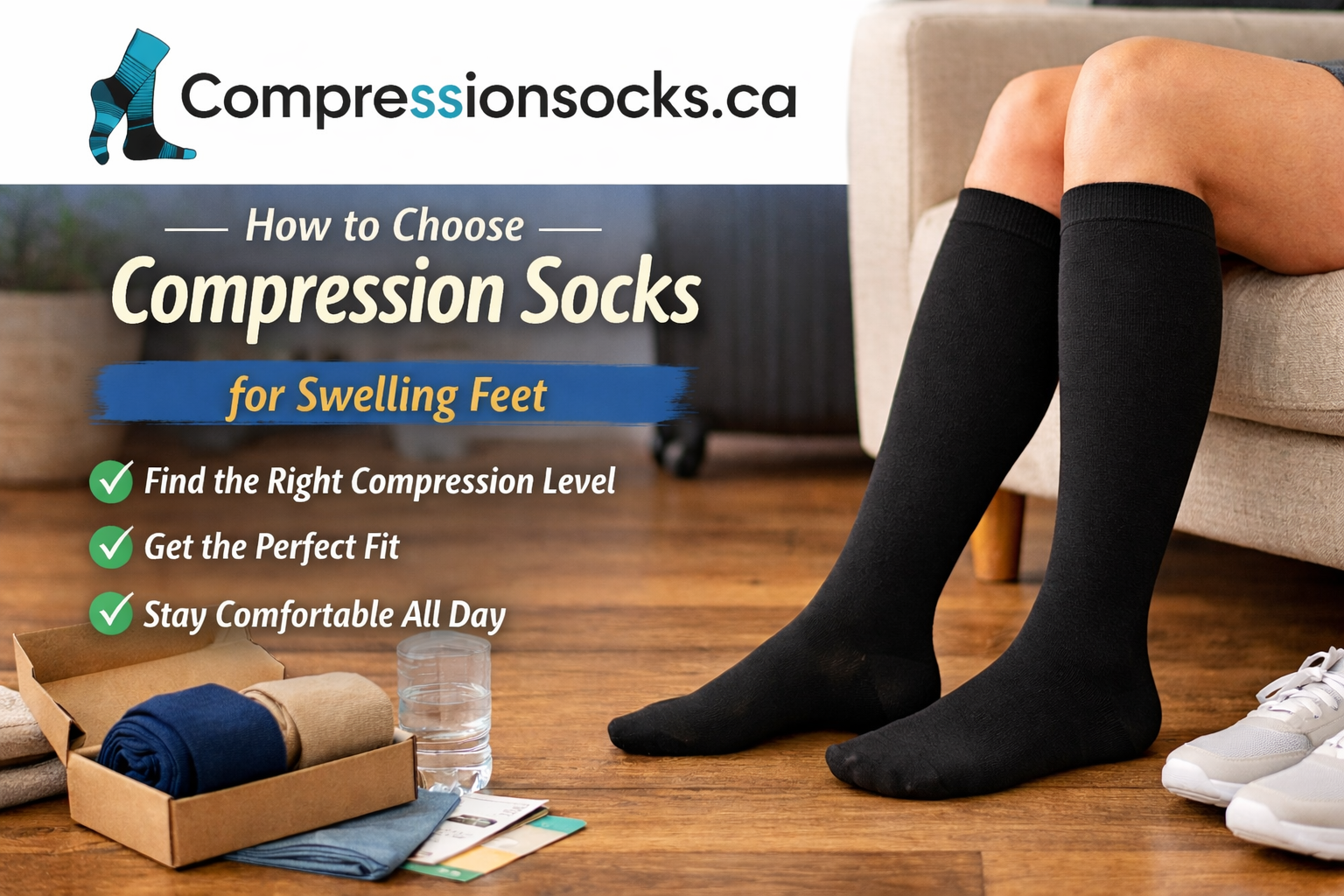
Swollen feet can turn a normal day into an uncomfortable one. Whether it comes from long hours of standing, travel, pregnancy, or circulation issues, that heavy and tight feeling is something many people deal with regularly. One simple solution that often gets recommended is compression socks. But choosing the right pair is not as straightforward as it seems.
If you are looking for compression socks for swelling feet, this guide will help you understand what actually matters before you buy. The goal is to make sure you pick something that works, feels comfortable, and supports your daily routine.
Why Compression Socks Help with Swelling
Compression socks apply gentle pressure to your legs and feet. This pressure helps improve blood flow, reduces fluid buildup, and supports your veins. When circulation improves, swelling tends to go down.
People often turn to compression socks for swollen feet when they notice:
- Puffiness around the ankles or toes
- Tightness in shoes by the end of the day
- Aching or heaviness in the feet
- Swelling after long travel or standing
The right pair can make a noticeable difference, but only if you choose wisely.
Start with the Right Compression Level
One of the most important things to consider is the compression level. This is measured in mmHg, which refers to how much pressure the socks apply.
Here is a simple breakdown:
- Mild compression 8 to 15 mmHg
Best for light swelling or everyday comfort - Moderate compression 15 to 20 mmHg
Ideal for mild to moderate swelling, travel, or standing jobs - Firm compression 20 to 30 mmHg
Often recommended for more noticeable swelling or medical needs
If you are new to compression socks for swelling feet, starting with moderate compression is usually a safe choice. If swelling is severe or linked to a medical condition, it is better to consult a doctor before choosing higher levels.
Focus on Proper Fit
Even the best compression socks will not work if they do not fit properly. Socks that are too tight can feel uncomfortable, while loose ones will not provide enough support.
When choosing compression socks for swollen feet, pay attention to:
- Ankle circumference
- Calf size
- Foot size
- Length of the sock
Most brands provide sizing charts. Take a few minutes to measure your legs instead of guessing your size. This small step can make a big difference in comfort and effectiveness.
Choose the Right Length
Compression socks come in different lengths. The most common options include:
- Ankle length
Good for mild swelling in the feet only - Knee high
The most popular option for overall swelling and circulation support - Thigh high or full length
Used for more serious circulation concerns
For most people dealing with everyday swelling, knee high compression socks for swelling feet are the best choice. They provide enough coverage without feeling restrictive.
Pay Attention to Material and Comfort
Comfort matters more than people think. If your socks feel itchy, too tight, or too warm, you will not wear them consistently.
Look for materials that offer:
- Breathability
- Moisture wicking properties
- Soft and flexible fabric
- Durability for daily use
Many high quality compression socks for swollen feet use a blend of nylon and spandex. This combination provides stretch and support while keeping the fabric lightweight.
If you live in a warm climate or tend to sweat, breathable fabric becomes even more important.
Consider Your Daily Routine
The best compression socks are the ones that fit into your lifestyle. Think about when and how you plan to wear them.
For example:
- If you stand all day, choose durable and cushioned socks
- If you travel often, go for lightweight and easy to pack options
- If you wear them at work, consider neutral colors that match your outfit
- If you stay active, look for socks designed for movement and flexibility
Compression socks for swelling feet should feel like a natural part of your day, not something you want to take off after an hour.
Open Toe vs Closed Toe
This is a small detail, but it can affect comfort.
- Closed toe socks
Provide full coverage and warmth - Open toe socks
Allow more breathability and can feel less restrictive
If your toes tend to feel cramped or sensitive, open toe compression socks for swollen feet can be a better option. On the other hand, closed toe styles are often preferred for daily wear and outdoor use.
Check Ease of Use
Some compression socks can be difficult to put on, especially higher compression levels. This is something many first time users do not expect.
To make things easier:
- Look for socks with stretchable openings
- Choose moderate compression if you want easier wear
- Consider using a sock aid if needed
If you struggle to put them on, chances are you will stop using them regularly.
Look for Quality Over Price
It can be tempting to go for the cheapest option, but compression socks are one area where quality matters.
Better quality socks usually offer:
- Consistent compression
- Longer lifespan
- Better comfort
- Improved effectiveness
Instead of buying multiple low quality pairs, investing in one or two reliable options often works out better in the long run.
Know When to Replace Them
Compression socks do not last forever. Over time, the elasticity weakens and the compression becomes less effective.
Signs you need a new pair:
- Socks feel loose or stretched out
- Swelling is not improving as before
- Fabric shows signs of wear
Most compression socks for swelling feet should be replaced every three to six months with regular use.
Common Mistakes to Avoid
Many people try compression socks but do not see results because of simple mistakes.
Here are a few to watch out for:
- Choosing the wrong size
- Wearing them only occasionally instead of consistently
- Picking the wrong compression level
- Ignoring comfort and material
- Not replacing old socks
Avoiding these mistakes can help you get the most benefit from your compression socks for swollen feet.
Final Thoughts
Choosing the right compression socks does not have to be complicated. When you focus on the basics like compression level, fit, comfort, and lifestyle, the decision becomes much easier.
The key is to think about your specific needs instead of buying based on trends or price alone. The right pair should feel supportive without being uncomfortable, and effective without being restrictive.
If you deal with swelling regularly, the right compression socks for swelling feet can make your day noticeably better. From reducing discomfort to improving circulation, they are a simple tool that can have a real impact on your overall comfort and mobility.
If you are ready to experience real relief, explore the range at Compression Socks Canada. Their collection is designed to provide the perfect balance of comfort, support, and durability for everyday use. Choose Compression Socks Canada to find a pair that keeps your feet comfortable, supported, and swelling-free throughout the day.