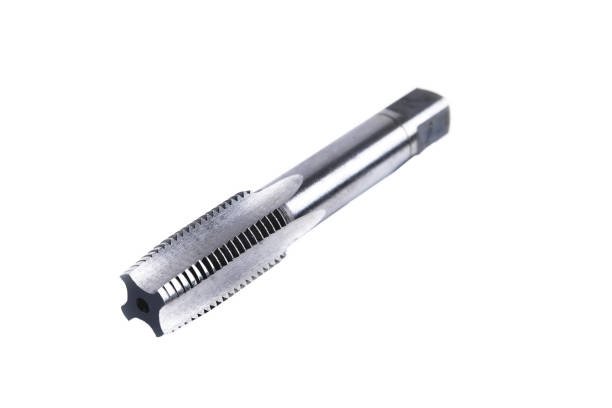
Precision threading plays an important role in manufacturing applications where threaded components must fit correctly, operate smoothly, and maintain reliable performance over time. In machinery, lead screws, motion systems, adjustment mechanisms, and industrial equipment, the quality of an internal thread can directly affect the function of the finished component. Choosing the right tapping tool is therefore an important step in achieving consistent results.
An Acme Tap is designed for producing internal Acme threads with a distinctive trapezoidal profile. These threads are commonly used where strength, smooth movement, and efficient power transmission are important. However, selecting the appropriate tap involves more than simply matching the thread name to a tool. Factors such as thread size, pitch, material, application requirements, tapping conditions, and required accuracy should all be considered before making a decision.
Understand the Acme Thread Requirement
The first step is to identify the exact thread specification required for the component. Acme threads are available in different diameters and pitches, and each application may have different dimensional requirements. Using the wrong pitch or nominal diameter can result in poor thread engagement, excessive clearance, or an unusable component.
Before selecting a tool, review the engineering drawing or manufacturing specification carefully. Confirm the nominal diameter, pitch, thread class, and desired thread depth. It is also important to understand whether the component requires a standard Acme profile or a specialized variation.
A properly selected Acme Thread Tap should correspond closely with the intended internal thread specification. Taking time to verify these details before machining helps prevent costly errors and reduces the possibility of producing parts that fail inspection.
Consider the Workpiece Material
Workpiece material has a significant influence on tap selection. Aluminum, mild steel, alloy steel, stainless steel, brass, and other materials behave differently during machining. Some materials are relatively easy to cut, while others generate greater cutting forces and heat.
For softer materials, a suitable high-speed steel tapping tool may provide a good balance of cutting performance and durability. Harder or more abrasive materials may require a tool with appropriate hardness, geometry, and surface treatment to withstand demanding conditions.
The material should also be considered when selecting cutting fluid and tapping speed. A tool that performs well in one material may not provide the same service life in another. Matching the tapping tool to the workpiece helps maintain thread quality while extending tool life.
Check Tap Geometry and Design
Tap geometry influences chip formation, cutting resistance, and the overall quality of the internal thread. Different tapping conditions may require different flute designs and cutting geometries.
When working with blind holes, chip evacuation becomes especially important because chips have limited space to escape. For through holes, the tapping conditions may be different because chips can move through the workpiece.
The geometry should also provide sufficient clearance and cutting efficiency for the selected material. A well-designed Acme Tap can help reduce unnecessary cutting pressure and support a smoother machining process when used under suitable conditions.
Select the Correct Size and Pitch
Size and pitch are among the most important specifications when choosing a tapping tool. The tap must produce a thread that matches the mating component. Even a small mismatch can affect assembly and functional performance.
The pitch determines the distance between adjacent thread features and influences how the threaded assembly moves or engages. In applications involving lead screws or mechanical motion, the correct pitch is particularly important because it can influence movement, load handling, and positioning.
Manufacturers should verify measurements against the applicable engineering standard before machining. This simple step can prevent incorrect tool selection and reduce material waste.
Evaluate Thread Accuracy Requirements
Not every threading application requires the same level of dimensional control. Components used in general machinery may have different requirements from precision motion systems or specialized industrial equipment.
Where accurate thread production is essential, the tapping process should be supported by appropriate inspection methods. Thread gauges can be used to verify whether the finished internal thread conforms to the required dimensions and functional requirements.
Working with a supplier such as Gaugestools can help manufacturers access thread inspection solutions alongside precision tooling requirements. Proper inspection provides greater confidence that the manufactured component will perform as intended during assembly and operation.
Match the Tool to Production Conditions
Production volume should also influence tool selection. A tool used occasionally in a maintenance workshop may have different requirements from one used continuously in a high-volume manufacturing environment.
For repeated production, tool durability, consistency, and predictable performance become increasingly important. Manufacturers should consider expected tool life, machining speed, coolant compatibility, and the possibility of tool replacement.
For smaller production runs, flexibility may be more valuable than maximum tool life. Understanding the actual production environment helps avoid selecting a tool that is unnecessarily expensive or poorly suited to the application.
Pay Attention to Pre-Tapping Preparation
Even the best tapping tool cannot compensate for poor hole preparation. The starting hole should have the appropriate diameter and depth for the intended thread. An undersized hole can increase cutting forces and create unnecessary stress on the tool. An oversized hole may produce insufficient thread engagement.
Hole alignment is equally important. If the tool enters the workpiece at an incorrect angle, the resulting thread may not align correctly with the mating component. Proper setup, accurate drilling, and controlled tapping conditions are therefore essential parts of precision threading.
A correctly selected Acme Thread Tap should be used with a properly prepared workpiece to achieve dependable results.
Consider Tool Quality and Supplier Reliability
Tool quality can have a noticeable impact on machining consistency. Precision-ground cutting edges, appropriate materials, accurate dimensions, and controlled manufacturing processes all contribute to dependable tapping performance.
Supplier reliability is also important, particularly for manufacturers that need repeatable tooling specifications. A supplier should be able to provide clear product information and support customers in selecting suitable tools for their applications.
Gaugestools focuses on thread gauges and precision inspection tools for manufacturers, distributors, and engineering companies. Access to accurate inspection equipment can complement the tapping process by helping manufacturers verify finished threads and maintain production standards.
Balance Performance With Cost
Price should not be the only consideration when selecting a tapping tool. An inexpensive tool that wears quickly or produces inconsistent threads may ultimately cost more because of tool replacement, rejected components, machine downtime, and additional inspection.
Instead, consider the total value provided by the tool. Service life, dimensional consistency, machining performance, availability, and suitability for the intended material should all be part of the decision.
For critical manufacturing applications, investing in an appropriately specified Acme Tap can support better process consistency and reduce avoidable production problems.
Why Proper Selection Matters
Choosing the right tapping tool is ultimately about matching the tool to the complete manufacturing requirement. Thread specification, workpiece material, hole design, production volume, machine capability, and inspection requirements all contribute to the final result.
A thoughtful selection process can improve thread consistency and reduce the likelihood of problems during assembly. It can also help manufacturers establish a more predictable production process.
Precision threading does not depend on one factor alone. The right tool, correct machining conditions, careful preparation, and reliable inspection must work together. With suitable tooling and inspection support from experienced suppliers such as Gaugestools, manufacturers can maintain greater confidence in the quality of their threaded components.

FAQ
What is an Acme Thread Tap used for?
An Acme Thread Tap is used to create internal Acme threads in a workpiece. Acme threads are commonly used in mechanical applications involving power transmission, linear movement, and adjustment mechanisms.
How do I select the correct tap size?
Start by checking the engineering drawing or thread specification. Confirm the nominal diameter, pitch, thread profile, class, and required thread depth before selecting the tool.
Does workpiece material affect tap selection?
Yes. Different materials create different cutting forces, heat levels, and chip characteristics. The tool geometry and material should therefore be suitable for the workpiece being machined.
Why is hole preparation important?
Correct hole diameter, depth, and alignment help control cutting forces and support accurate thread formation. Poor preparation can lead to damaged tools or improperly formed threads.
Can thread gauges be used after tapping?
Yes. Suitable thread gauges can help verify the dimensional and functional condition of finished threads and provide an additional quality-control step in the manufacturing process.