Scroll through any outfit board and you will notice that the most saved looks share a certain calm. Nothing is random, the colors feel chosen, the proportions look balanced and even the simplest pieces seem to belong together. The oversized t-shirt appears in a surprising number of these outfits, because its relaxed shape gives you a clean canvas to build on.
The good news is that a Pinterest-worthy outfit is not about owning expensive clothes or following every trend. It comes from a few repeatable decisions about color, fit, texture and finishing. In this guide, we’ll walk through how to build an outfit that looks good on a mood board and feels good to wear in real life. If you’re also searching for baggy shirts in Pakistan to start your own collection of aesthetic outfits, these steps will help you choose and style them well.
What Makes an Outfit Look Pinterest-Worthy
Outfits that photograph and save well usually follow the same logic. They have a clear color story, with two or three shades that sit comfortably together. They have a defined silhouette, which means the eye can read the shape of the outfit instead of seeing one shapeless mass. They also include a little texture or detail, such as denim, knit, leather or metal, that adds interest without noise.
Another quiet trait is intention. Every piece looks as though it was picked on purpose, from the collar of the tee to the shoes on the floor. When you think of an outfit as a small composition rather than a pile of clothes, it becomes much easier to build one that works.
Start With a Tee That Photographs Well
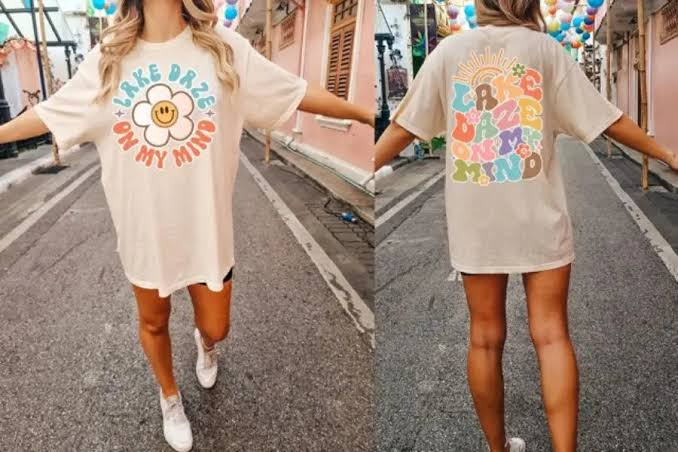
The shirt is the star, so it has to hold its shape. A good oversized tee has a dropped shoulder seam a few centimeters below your natural shoulder line, sleeves ending near mid-bicep and a hem around the hip. These proportions look designed rather than accidental, which is exactly the feeling a styled outfit needs.
Fabric makes the biggest difference on camera and in real life. Combed or ring-spun cotton in the 200 to 240 GSM range drapes cleanly, avoids clinging and keeps its structure, while lighter cotton around 180 to 200 GSM suits peak summer. Thin fabric wrinkles and clings, which breaks the clean line immediately. A firm ribbed collar matters too, since a stretched neckline makes even a beautiful outfit look tired.
Build a Simple Color Story
Color is the fastest way to make an outfit feel curated. The easiest approach is to pick two or three shades from a calm palette and stay within them. Soft neutrals such as cream, sand, beige and stone feel warm and airy. Earth tones such as olive, sage, brown and rust look grounded and slightly vintage. Black, charcoal and white create a sharp, graphic mood.
Tone-on-tone dressing is the secret behind many of the most saved outfits. Wearing shades from the same color family, such as a sand tee with tan trousers or a charcoal tee with grey wide-leg pants, creates a smooth, continuous line that looks polished with almost no effort. If you want a little contrast, add it in one place only, such as a darker shoe or a colored cap, and keep everything else quiet.
Get the Proportions Right
Because the tee is loose, the rest of the outfit needs to give it a shape. Straight jeans, tapered cargos or tailored trousers all balance the volume of the top, and fitted or knee-length shorts do the same in summer. If you prefer wide-leg or baggy bottoms, add structure with a belt, chunky shoes or a layered jacket so the outfit still reads clearly.
The half-tuck is the single most useful styling trick here. Tuck only the front corner of the tee into your waistband and let the rest hang. It shows your waistline, breaks up the long vertical line of the shirt and makes your legs look longer. Check where the hem lands as well, because a tee that falls to your thighs shortens your legs and makes the outfit look heavy.
Add Texture for Depth
Flat, single-fabric outfits can look dull even when the colors are right. Texture is what gives an outfit richness, and you can add it without any extra complexity. Pair the soft cotton of the tee with structured denim, a ribbed knit layer, a leather belt or a canvas tote. The contrast between soft and firm surfaces catches the light differently and makes the whole outfit feel layered.
Keep the textures within the same mood. A rugged denim jacket, a plain leather belt and clean canvas sneakers sit together naturally, while mixing very formal fabrics with very sporty ones can feel confusing. One or two textural pieces are enough, and the rest of the outfit can stay simple.
Layer With Intention
Layering is one of the most reliable ways to make an outfit feel complete. An open overshirt worn over the tee adds structure without noise, and a denim jacket or bomber that ends above the tee hem creates a clean staggered line. In cooler weather, a fitted long-sleeve top underneath, with the sleeves peeking out below the tee, adds contrast and warmth.
The rule that makes layers look styled is to avoid matching hem lengths. When every layer ends at the same point, the outfit looks flat, but when the lengths differ, it looks deliberate. For more ideas on how denim layers and relaxed overshirts sit over a tee, this guide to long-sleeve denim styles shows several options that work well with oversized shapes.
Choose Shoes That Complete the Frame
Shoes anchor the whole composition, and in photos they often decide whether an outfit looks finished. Chunky sneakers in white, grey or black balance the volume of a loose top and give the outfit a solid base. Clean white low-tops keep things lighter and simpler, while minimal leather sneakers dress the look up slightly. High-tops and boots suit cooler weather and darker palettes.
Whatever you choose, keep your shoes clean. A relaxed outfit has nowhere to hide, so scuffed or dirty footwear stands out immediately. A quick wipe before you leave the house does more for the final image than adding another accessory.
Finish With a Few Quiet Accessories
Accessories are where an outfit gets its final polish, but restraint is what keeps it photo-ready. A plain cap or bucket hat adds attitude and protects you from the sun, a small crossbody bag adds structure to a loose silhouette and a simple watch or thin chain adds a refined detail. Sunglasses can lift a plain tee and jeans combination instantly.
Stick to one or two pieces. Too many accessories make the outfit feel cluttered, and in hot weather they simply add discomfort. Embroidered caps are a good way to add a personal touch without noise, and these custom embroidery caps show how a small detail can add personality to an everyday look.
Three Outfit Formulas to Try
If you want a quick starting point, a few formulas cover most moods. For a soft neutral look, wear a cream oversized tee with stone-colored wide-leg trousers, white chunky sneakers and a thin chain. The tonal palette feels calm and the wide leg gives the outfit a flowing line.
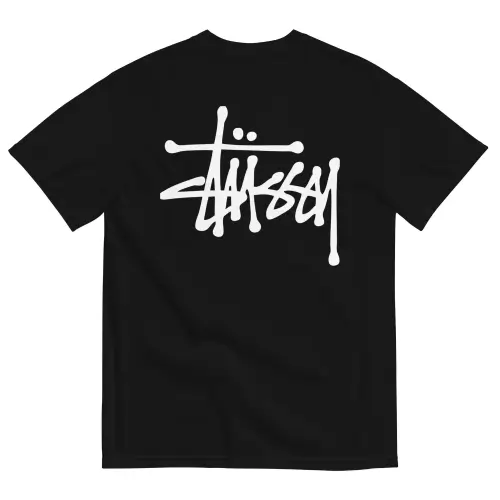
For a vintage-inspired look, wear a washed black graphic tee with light baggy jeans, retro sneakers and a plain cap. The faded print and relaxed denim give the outfit a lived-in character that suits thrift culture. For a smart-casual look, wear a navy tee with beige tapered trousers, minimal leather sneakers and an open lightweight overshirt, which makes the outfit feel neat without losing comfort.
Adapting the Look to Pakistan’s Seasons
A strong outfit formula should work all year with small adjustments. In summer, choose light colors, breathable cotton and shorts or thin trousers, and keep layers minimal. During the monsoon, darker or mid-tone colors hide splashes and avoid the see-through problem of wet pale fabric, while cropped bottoms and rubber-soled shoes keep you practical.
Autumn is the ideal time for earth tones and an open overshirt, which gives the outfit warm, photo-friendly color. In winter, the oversized tee becomes a middle layer, worn over a slim long-sleeve base and under a jacket or coat. The same core pieces carry you through every season with only a few swaps.
Photo Tips for Outfit Pictures
If you want to share your outfit, a few small habits improve the result. Natural light, such as near a window or in open shade, shows color and texture more accurately than harsh indoor lighting. A plain, uncluttered background lets the outfit take center stage, and a mirror or a friend with a steady phone helps you capture the full silhouette from head to toe.
Pose naturally, with a slight movement or a hand in your pocket, since stiff poses make relaxed clothes look awkward. Check that the shirt is steamed and the shoes are clean before you start, because small flaws that you barely notice in person show up clearly in photos.
Common Mistakes to Avoid
The most frequent mistake is sizing up too far, which makes the tee overwhelm your frame and moves the shoulder seam toward your elbow. Another is choosing thin fabric that clings and wrinkles, mixing too many colors, wearing loose pieces everywhere with no structure and ignoring the condition of your shoes. Piling on accessories until the outfit feels busy is the last common trap. When in doubt, remove one element, because simple outfits almost always look better than crowded ones.
Caring for Your Pieces
Good care keeps the outfit looking fresh. Wash tees inside out in cold water to protect prints and colors, and avoid hot dryers that shrink cotton and loosen collars. Air dry in the shade, since harsh sun fades fabric, and steam or lightly iron the shirt before wearing. Fold your tees instead of hanging them to prevent shoulder bumps, and wash denim less often to preserve its color and shape.
Final Thoughts
A Pinterest-worthy outfit with an oversized tee comes down to a handful of simple habits: a well-cut shirt in good fabric, a calm color story, balanced proportions, a little texture, thoughtful layers and clean shoes. Nothing in it needs to be expensive or complicated, only chosen with care.
Start with one outfit that feels close to your taste, wear it a few times and adjust the details until it feels like yours. The best outfits are the ones that look good on a board and feel even better when you are wearing them.