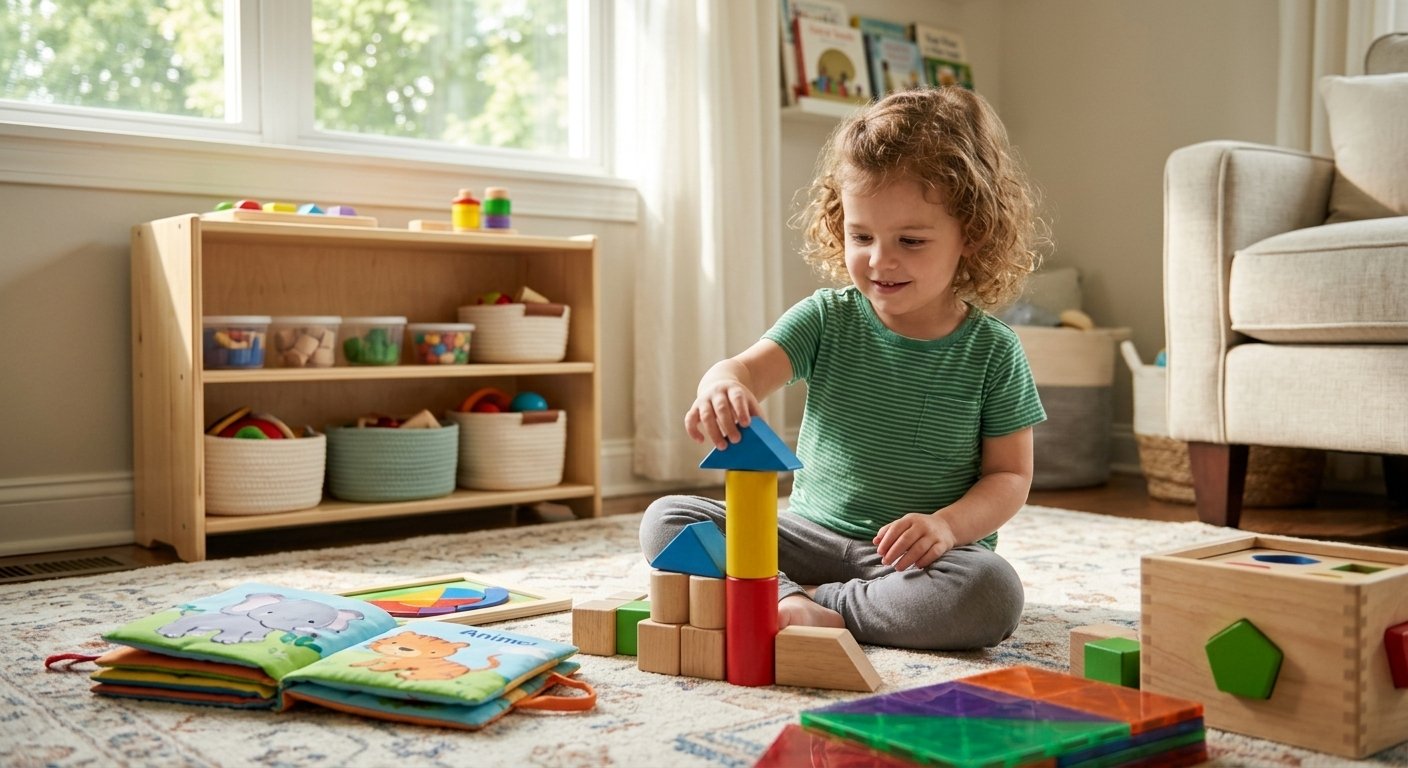
As parents, we cherish the moments we spend playing and laughing with our little ones. However, teaching them to play on their own is just as important for their overall development. Whether you are scrolling through an online baby shop looking for inspiration or just using everyday items you already have around the house, fostering solo play helps build your child’s confidence, problem-solving skills, and lifelong creativity.
If you feel like your child constantly needs you to entertain them, you are not alone. Transitioning to independent play takes a little bit of patience and practice, but the rewards—for both you and your child—are well worth the effort.
Why is Independent Play So Important?
Before diving into how to encourage it, it helps to understand why solo play is such a vital milestone. When children play without adult direction, they are forced to use their own imagination. They invent storylines, build structures, and solve problems without someone stepping in to fix things for them.
-
Boosts Confidence: Figuring out how to balance a tall tower of blocks or complete a puzzle on their own gives children a massive sense of accomplishment.
-
Encourages Focus: Solo play teaches children how to concentrate on a single task for extended periods, a skill that will benefit them greatly when they eventually start school.
-
Fosters Self-Reliance: It teaches kids that they don’t always need external entertainment. They learn that they can rely on their own minds to cure boredom.
-
Gives Parents a Break: Let’s be honest, parents need a breather. Having a child who can happily entertain themselves for thirty minutes allows you to drink a hot cup of coffee, answer emails, or simply recharge.
Setting the Stage for Solo Play
Children are much more likely to play independently if their environment feels inviting, safe, and accessible. If toys are stuffed in giant bins where they can’t see what’s at the bottom, they are likely to get overwhelmed and walk away.
Create a “Yes” Space
A “yes” space is a completely child-proofed area where your little one can explore freely without you constantly having to hover and say, “No, don’t touch that.” This could be a corner of the living room or a dedicated playroom. Keep furniture safe and remove any hazards. When kids feel safe and unrestricted, their imaginations can truly soar.
Rotate Their Toys
Less is actually more when it comes to playtime. Having too many options can cause decision fatigue in young children. Try keeping only a handful of toys out on open shelves where they are easy to see and reach. Store the rest away in a closet. Every couple of weeks, rotate the toys. Old toys will suddenly feel brand new, sparking a fresh wave of independent exploration.
Choosing the Right Play Materials
The items you provide make a massive difference in how long your child will stay engaged. Toys that do all the work—like those with flashing lights, loud music, and automatic movements—tend to hold a child’s attention only briefly. Once the novelty wears off, the child is bored again.
Instead, lean toward open-ended items. These are things that can be used in endless ways depending on the day. Wooden blocks, magnetic tiles, play dough, and simple art supplies are fantastic examples. When you are browsing a baby store uae online, look for items that require the child to do the work. The toy should be 10% of the experience, and the child’s imagination should be the other 90%.
An online platform like toysuae can be a wonderful resource for discovering these types of educational items that spark imagination and keep little hands busy safely at home.
Tips to Gently Encourage Independent Play
If your child is used to you being their primary source of entertainment, you can’t just leave the room and expect them to play happily for an hour. You have to build the muscle gradually.
1. Start Small and Build Time
Begin by sitting with them while they start an activity. Once they are engaged, simply step back a few feet. Then, try saying, “I’m going to go get a glass of water, I will be right back.” Leave for just one minute, then return. Gradually increase the time you are out of the room. Over time, your child will realize that you always come back, and they will feel secure enough to keep playing while you are gone.
2. Don’t Interrupt the Flow
When you see your child deeply focused on lining up their toy cars or building a tower, resist the urge to jump in. As adults, we often want to praise them or show them a “better” way to do it. However, interrupting them breaks their concentration. If they are playing safely and happily, just let them be.
3. Embrace the “I’m Bored” Phase
Boredom is not a bad thing; it is the birthplace of creativity. When your child complains that they are bored, try not to immediately fix it for them by turning on the television or pulling out a new activity. Acknowledge their feelings by saying, “I know it feels hard when you don’t know what to do. Let’s see what your brain comes up with.” Give it ten or fifteen minutes. You will be amazed at the games they invent when they are forced to push through the boredom.
4. Offer “Strewing” Invitations
Strewing is a wonderful technique where you casually leave an interesting activity out for your child to discover on their own. You might leave a blank piece of paper and some fresh crayons on the kitchen table, or set up a few animal figures next to a pile of blocks on the rug. Don’t say anything about it. Just let them find it. The excitement of discovering the setup often draws them right into independent play.
Conclusion
Teaching your child to play independently is a journey, not an overnight fix. There will be days when they cling to your leg and refuse to play alone, and that is perfectly normal. By creating a safe environment, offering open-ended materials, and gradually stepping back, you are giving your child the beautiful gift of self-reliance. Be patient with the process, celebrate the small victories, and enjoy watching their unique imaginations unfold.
Frequently Asked Questions (FAQs)
What age should a child start playing independently? Babies can start practicing independent play for just a few minutes at a time by looking at a mobile or reaching for a soft toy. By toddlerhood (ages 1 to 3), children can generally play alone for 15 to 30 minutes, though this varies greatly by child and temperament.
My child only wants to play with me. What should I do? Start by playing together, then slowly withdraw your active participation. Move from playing, to sitting quietly next to them, to sitting across the room, and eventually leaving the room for short periods. Transitioning slowly helps them feel secure.
Are screens a form of independent play? While screens can definitely keep a child occupied, they do not offer the same developmental benefits as true independent play. Active play requires a child to use their imagination, problem-solve, and physically interact with their environment, whereas screen time is generally a passive activity.
How can I make my home safer for solo playtime? Create a designated “yes” space. Anchor heavy furniture to the walls, cover electrical outlets, remove choking hazards, and ensure all toys within reach are age-appropriate and safe for unsupervised use.