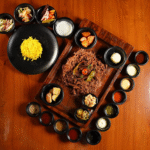
Saudi Arabia is a destination where food reflects centuries of history, cultural traditions, and warm Arabian hospitality. From aromatic rice dishes and slow-cooked meats to freshly baked bread, flavorful stews, and traditional desserts, Saudi cuisine offers a memorable experience for locals and visitors alike. Finding the right traditional Restaurant in Saudi Arabia allows diners to explore authentic regional flavors while enjoying the country’s rich dining culture.
However, choosing a suitable restaurant involves more than simply finding a place with an appealing menu. Food quality, hygiene standards, ingredient freshness, menu variety, dietary requirements, and the overall dining environment all contribute to a satisfying experience. Whether a visitor is exploring Riyadh, Jeddah, Makkah, Madinah, or another Saudi destination, understanding what to look for can make the search easier.
For people who prioritize healthy eating, traditional dining can also offer opportunities to enjoy balanced meals made with rice, vegetables, legumes, meat, and aromatic spices. By knowing how to evaluate menus and restaurant practices, diners can discover authentic Saudi food while making informed choices about their well-being.
1. Understand the Different Types of Traditional Saudi Restaurants
The first step in finding a traditional restaurant in Saudi Arabia is understanding the different dining experiences available. Saudi cuisine varies by region, and restaurants may specialize in particular dishes, cooking methods, or styles of hospitality.
Some establishments focus on family-style meals served on large platters, while others provide individual portions in a more contemporary setting. Traditional restaurants may also feature floor seating, private family rooms, or outdoor dining areas, depending on their location and design.
Popular Saudi dishes provide a useful starting point when comparing menus.
-
Kabsa: A well-known rice dish prepared with aromatic spices and commonly served with chicken, lamb, or other meat.
-
Mandi: A traditional rice and meat dish associated with slow cooking and distinctive smoky flavors.
-
Jareesh: A comforting dish made with crushed wheat, often cooked with broth and other ingredients.
-
Saleeg: A creamy rice dish traditionally prepared with milk or broth and frequently served with chicken.
-
Mutabbaq: A filled, folded pastry that can contain savory ingredients and is often enjoyed as a snack or light meal.
-
Jareesh and regional stews: These dishes offer a glimpse into local cooking traditions and the use of grains, vegetables, and spices.
A restaurant that specializes in traditional cooking may provide a more focused experience than a general restaurant offering a large selection of international dishes. Nevertheless, the best choice depends on individual preferences, dietary needs, and the type of meal being planned.
Diners interested in cultural authenticity can also ask about the origin of particular dishes and the methods used to prepare them. This simple conversation may help them understand the local food culture while identifying menu items that suit their tastes.
2. Search Online and Read Restaurant Reviews Carefully
Online searches are among the most convenient ways to find a restaurant in Saudi Arabia. Search engines, restaurant directories, digital maps, and dining platforms can help visitors identify nearby establishments, compare menus, and check practical details before making a decision.
Search terms can make the process more effective. Instead of using a broad phrase such as “restaurants near me,” diners can search for specific dishes, traditional Saudi cuisine, family-friendly dining, or local restaurants in a particular neighborhood.
Restaurant listings may include photographs, menus, customer reviews, contact details, operating hours, and directions. These details help narrow down the available options, especially for travelers unfamiliar with the area.
However, online ratings should not be the only factor influencing a decision. Reviews are most useful when they describe specific experiences rather than offering a simple positive or negative judgment.
For example, useful reviews may mention whether the food arrived hot, whether the restaurant appeared clean, whether staff handled special dietary requests appropriately, or whether the menu accurately described the dishes.
When evaluating reviews, diners should consider the following points:
-
Look for recent feedback rather than relying entirely on older comments.
-
Compare several reviews to identify consistent patterns.
-
Pay attention to comments about cleanliness, food freshness, and service.
-
Check photographs for clues about portion sizes and the dining environment.
-
Confirm opening hours and availability directly when necessary.
A large number of positive reviews can be encouraging, but they do not guarantee that every aspect of a restaurant meets individual expectations. Combining online research with practical checks provides a more reliable way to make a choice.
3. Check Food Hygiene, Freshness, and Dining Conditions
Food safety is an essential consideration when choosing any restaurant. A traditional dining experience should be enjoyable, but it should also provide reasonable confidence in the handling, preparation, and serving of food.
A restaurant’s appearance can offer some useful clues. Clean tables, well-maintained dining areas, organized service stations, and appropriate food storage practices may indicate attention to hygiene. Staff should handle food carefully, and cooked dishes that require temperature control should be stored and served appropriately.
Customers generally cannot assess every aspect of a restaurant’s kitchen from the dining area. Therefore, visible cleanliness should be treated as one part of the decision rather than proof that every food safety requirement has been met.
Freshness is another important consideration. Traditional rice and meat dishes are often prepared in large quantities, particularly during busy dining periods. These dishes can be safe and delicious when cooked, stored, and reheated correctly, but improper temperature control may allow harmful bacteria to grow.
Diners can reduce avoidable risks by choosing establishments that appear organized and busy enough to maintain regular food turnover without compromising safe handling. Food should be served at an appropriate temperature, and ingredients should not appear spoiled or improperly stored.
When ordering, customers can also consider these practical habits:
-
Choose freshly prepared dishes when possible.
-
Ensure meat and poultry are thoroughly cooked.
-
Avoid food that appears to have been left uncovered for extended periods.
-
Be cautious about dishes served at unsuitable temperatures.
-
Wash hands before eating, especially when meals are traditionally eaten by hand.
Saudi restaurants may serve communal platters, where several diners share rice and meat. This is an important part of the country’s hospitality culture. Using the serving utensils provided and following good hand hygiene can help make shared dining more comfortable and hygienic.
Anyone with food allergies should communicate their requirements clearly before ordering. If the restaurant cannot confidently explain its ingredients or prevent cross-contact with allergens, choosing another dish or establishment may be the safer option.
4. Evaluate Menu Variety and Choose Healthier Traditional Dishes
Traditional Saudi food can be enjoyed as part of a balanced eating pattern. The key is understanding how dishes are prepared, how much is served, and how different ingredients contribute to the overall meal.
Many traditional dishes contain rice, wheat, meat, vegetables, legumes, herbs, and spices. These ingredients can provide carbohydrates, protein, fiber, vitamins, and minerals. However, the nutritional value of a meal depends on the specific ingredients, preparation methods, portion sizes, and accompanying foods.
For example, kabsa and mandi can provide protein and energy, but generous portions of rice, fatty cuts of meat, and added oils may increase the meal’s overall calorie content. Diners who want a lighter option can ask for leaner meat, a moderate serving of rice, or additional vegetables when available.
Traditional soups, lentil dishes, vegetable-based stews, and salads may also provide variety. Choosing these alongside an appropriate portion of a rice or meat dish can help create a more balanced meal.
A few practical strategies can make restaurant dining more compatible with everyday health goals:
Prioritize balance. A meal containing vegetables, a suitable protein source, and a moderate portion of rice or bread can offer a useful combination of nutrients.
Ask about preparation methods. Grilled, roasted, boiled, or stewed foods may require less added fat than some fried or heavily enriched alternatives. However, the actual nutritional content depends on the recipe.
Pay attention to portion sizes. Traditional meals are sometimes served on large platters intended for sharing. Taking a comfortable portion and eating slowly can help diners recognize when they feel satisfied.
Consider added salt and sauces. Seasonings are an important part of Saudi cuisine, but people managing sodium intake may benefit from asking whether less salt or sauce can be used.
Choose beverages thoughtfully. Water is a practical everyday option. Sweetened drinks and sugary desserts can still be enjoyed occasionally, but frequent large servings may contribute substantial added sugar.
People living with conditions such as diabetes, high blood pressure, or kidney disease may have specific dietary requirements. They should follow advice from their qualified healthcare professional when choosing foods, rather than assuming that every traditional dish is suitable for their individual needs.
A good restaurant does not need to offer a specialized health menu to support informed choices. Clear information about ingredients, preparation, and portion options can already make a meaningful difference.
5. Consider Location, Budget, Service, and Family Needs
The right traditional restaurant should fit the purpose of the visit. A traveler looking for a quick lunch may prefer a casual local eatery, while a family gathering may call for a larger dining area, comfortable seating, and enough privacy for a relaxed meal.
Location is especially important in Saudi Arabia, where travel distances, traffic conditions, and seasonal visitor numbers can affect the time needed to reach a restaurant. Visitors in major cities may find traditional dining options in commercial districts, local neighborhoods, shopping areas, and destinations popular with tourists.
Before visiting, diners should confirm the restaurant’s location, operating hours, parking arrangements, and reservation requirements. During busy periods, particularly holidays and pilgrimage seasons in relevant destinations, checking availability in advance may prevent unnecessary waiting.
Budget is another factor worth considering. Restaurant menus can vary considerably according to location, ingredients, portion sizes, and service style. Comparing menus before visiting helps diners understand what is included in a meal without relying on assumptions based on photographs or online ratings.
Families may also want to check whether a restaurant offers family seating, high chairs, accessible entrances, or suitable options for children. Visitors with mobility requirements should confirm access arrangements where possible.
Service quality can influence the overall experience as well. Staff who communicate clearly, explain unfamiliar dishes, and respond respectfully to dietary requests can help customers feel more comfortable.
It is also helpful to understand local dining customs. Saudi hospitality often emphasizes generosity, sharing, and welcoming guests. Some restaurants may provide traditional floor seating, while others use conventional tables and chairs. Neither format is automatically better; the most suitable setting depends on comfort, accessibility, and personal preference.
By considering these practical details alongside food quality, diners can find a traditional restaurant that suits both their expectations and their needs.
6. Recognize Authenticity and Make a Confident Final Choice
Authenticity is an important consideration for anyone seeking a genuine Saudi dining experience. However, authenticity does not necessarily depend on elaborate decorations, traditional clothing, or a particular style of interior design. It is more closely connected to the food, preparation methods, cultural context, and care taken in presenting traditional dishes.
A restaurant that prepares familiar Saudi recipes with appropriate ingredients and established cooking techniques may provide a meaningful cultural experience even if its surroundings are modern.
Customers can look for menus that explain traditional dishes clearly and include recognizable regional specialties. Staff who can describe the ingredients and preparation methods may also help diners understand what makes a particular dish distinctive.
Regional diversity deserves attention, too. Saudi cuisine is not limited to a single set of recipes. Coastal communities, inland regions, and areas influenced by different historical trading routes have developed varied culinary traditions. As a result, trying dishes beyond the most widely known rice and meat combinations can make the experience more rewarding.
Before making a final choice, diners can compare three or four establishments using a simple checklist:
-
Does the menu include the traditional dishes they want to try?
-
Are recent reviews generally reassuring about food quality and service?
-
Does the restaurant appear to maintain appropriate hygiene standards?
-
Can staff answer questions about ingredients and allergens?
-
Is the location convenient and the dining environment comfortable?
-
Does the menu accommodate their preferences and dietary requirements?
No single factor guarantees a perfect meal. A restaurant may have excellent traditional dishes but limited seating, while another may offer a more comfortable setting and a broader menu. The most suitable choice balances food quality, safety, convenience, cultural experience, and personal priorities.
Ultimately, finding a traditional restaurant in Saudi Arabia becomes easier when diners approach the process with curiosity and a few practical checks. Exploring local menus, asking informed questions, and remaining open to regional specialties can turn an ordinary meal into a memorable introduction to Saudi culture.
Frequently Asked Questions
1. How can someone find a traditional restaurant in Saudi Arabia?
A useful starting point is an online search for traditional Saudi cuisine in the desired city or neighborhood. Restaurant reviews, menus, photographs, and location details can help narrow down the choices. Checking recent customer feedback and confirming opening hours before visiting can make the process more convenient.
2. Which traditional Saudi dishes should first-time visitors try?
Kabsa, mandi, saleeg, jareesh, and mutabbaq are good options to explore. Each offers different textures, ingredients, and preparation methods. The best choice depends on personal taste, dietary requirements, and whether the diner prefers rice dishes, wheat-based meals, or savory snacks.
3. Are traditional Saudi restaurants suitable for people who want to eat healthily?
Many traditional dishes can fit into a balanced diet. Diners can consider moderate portions, lean protein, vegetables, and preparation methods that use less added fat. People managing a medical condition should follow individualized dietary advice and ask about ingredients when necessary.
4. What should customers check before eating at a traditional restaurant?
Customers should consider visible cleanliness, food freshness, appropriate serving temperatures, recent reviews, and the restaurant’s ability to explain ingredients. People with food allergies should communicate their requirements clearly and assess whether the restaurant can address their safety concerns.
5. How can visitors identify authentic Saudi food?
They can look for traditional regional dishes, ask about cooking methods, and explore menus that explain local specialties. Authenticity is better assessed through the food and its cultural context than through decorations alone. Trying regional dishes beyond the most familiar options can also provide a richer experience.
6. Can customers with dietary restrictions enjoy traditional Saudi cuisine?
Often, yes, although suitable choices depend on the restriction and the restaurant’s preparation practices. Customers can ask about ingredients, cooking oils, salt, sauces, and potential allergen cross-contact. Anyone with a serious allergy or a medically prescribed diet should avoid dishes when the necessary ingredient or preparation information cannot be confirmed.
Finding the right traditional restaurant in Saudi Arabia is about more than satisfying hunger. It is an opportunity to discover local culinary traditions, experience Arabian hospitality, and enjoy flavorful meals while making thoughtful choices about hygiene and nutrition. With a little research and a clear understanding of personal preferences, diners can make informed decisions and appreciate the country’s diverse food culture with greater confidence.