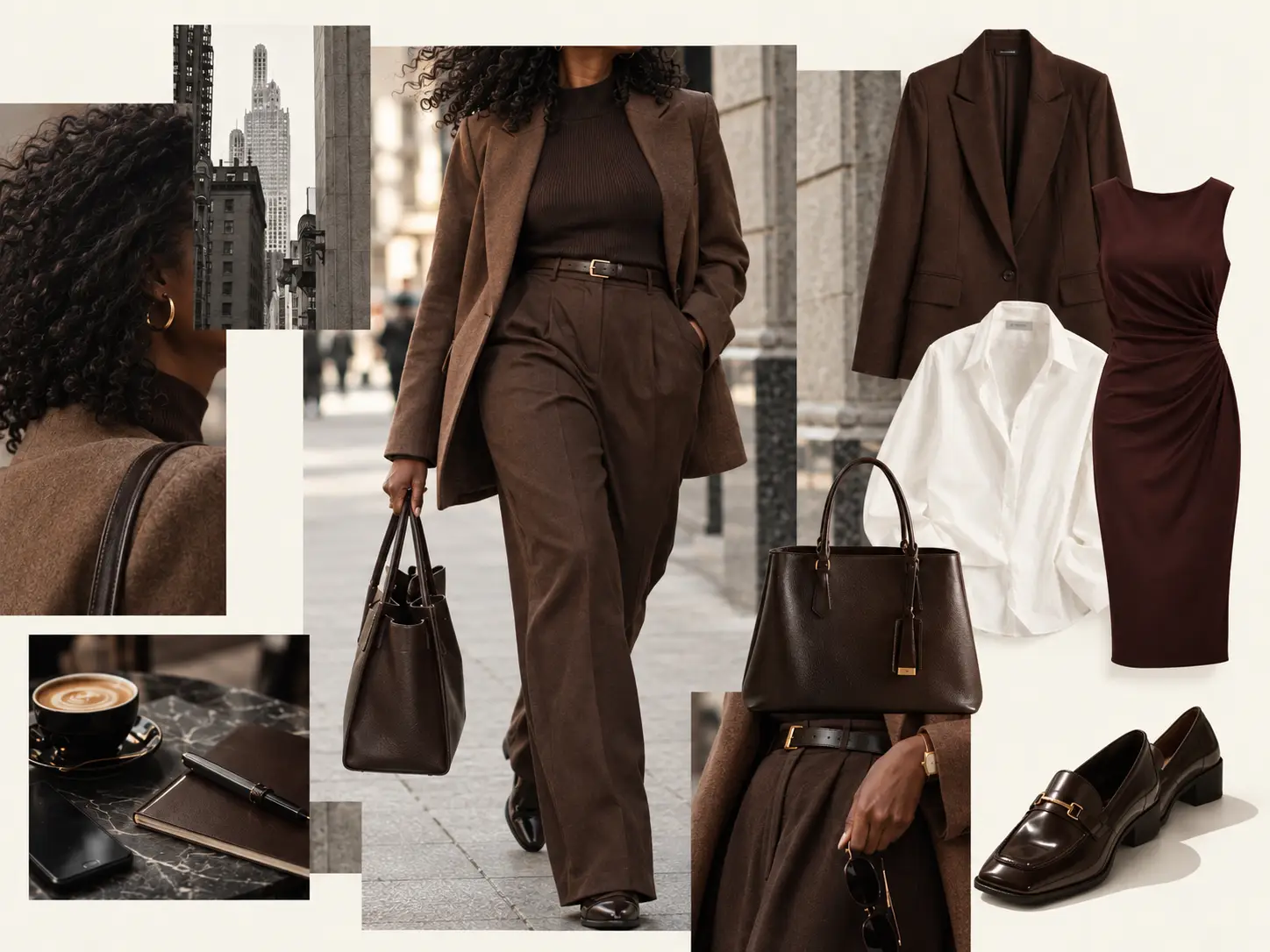
Creating a wardrobe that works throughout the year can make getting dressed for work easier, more affordable, and less stressful. A business casual capsule wardrobe allows you to combine versatile clothing pieces while adjusting your outfits to changing temperatures and seasonal conditions. Instead of replacing your entire collection whenever the weather changes, you can build around reliable essentials and introduce a few seasonal additions. The key is choosing suitable fabrics, coordinating colors, and using thoughtful layering techniques. With the right approach, you can maintain a polished professional appearance in warmer months, colder weather, and everything in between.
Understand the Basics of a Seasonal Capsule Wardrobe
The goal is to choose pieces that complement one another rather than purchasing separate outfits for every occasion. A business casual capsule wardrobe is a carefully selected collection of clothing that can be mixed and matched to create multiple work-appropriate outfits. It usually includes tailored trousers, blouses, button-down shirts, skirts, dresses, sweaters, blazers, and comfortable footwear. When these essentials work together, you can create a variety of professional looks without overcrowding your closet or spending unnecessarily.
Seasonal flexibility makes this wardrobe approach even more practical. Instead of buying completely different clothing for summer, autumn, winter, and spring, focus on pieces that can be adapted through layering and fabric choices. A lightweight blouse, for example, can be worn alone during warmer weather or underneath a cardigan when temperatures drop. Similarly, tailored trousers can remain useful throughout the year when selected in appropriate fabrics. Building around versatile essentials helps maintain consistency while allowing your clothing to respond to seasonal changes.
Choose a Neutral Color Palette for Year-Round Styling
A coordinated color palette is one of the easiest ways to make seasonal outfit planning more manageable. Start with versatile shades such as black, navy, gray, beige, cream, and white. These colors can be combined easily and provide a reliable foundation for professional clothing. You can then introduce seasonal accent shades such as olive green, burgundy, dusty blue, or soft pink. This approach creates variety without making it difficult to coordinate your outfits.
Neutral clothing also helps you get more value from individual garments. A navy blazer might work with beige trousers in spring, a white blouse in summer, and a lightweight sweater during colder months. A simple black skirt can be styled with different tops and accessories throughout the year. When purchasing new pieces, consider whether they complement at least three items already in your wardrobe. This simple habit helps prevent unnecessary shopping and keeps your collection cohesive.
Build Your Office Capsule Wardrobe Around Essential Pieces
An effective office capsule wardrobe should begin with clothing that suits your professional responsibilities and everyday comfort. Consider investing in well-fitting trousers, classic blouses, button-down shirts, a versatile skirt, and a simple work-appropriate dress. Add a blazer or structured cardigan that can be worn with several outfits. These essentials provide a dependable foundation for different seasons and workplace situations. Choose silhouettes that suit your preferences and allow comfortable movement throughout the day.
You should also consider how often you will wear each item before adding it to your collection. A classic shirt that works with trousers, skirts, and layered outfits may be more valuable than a statement top with limited styling options. Similarly, a versatile dress can be worn independently during warmer months and paired with a blazer or cardigan in cooler weather. Focus on practical pieces that offer multiple styling possibilities instead of purchasing clothing for only one specific occasion.
Adapt Your Wardrobe for Spring and Summer
Spring and summer require breathable fabrics and comfortable clothing that can handle warmer temperatures. Cotton, linen blends, lightweight knits, and suitable moisture-managing materials can help you remain comfortable during long workdays. Consider wearing lightweight trousers, midi skirts, short-sleeved blouses, and simple dresses in breathable fabrics. Lighter colors can also create a fresh seasonal appearance while remaining appropriate for professional settings. Always consider your workplace dress code when selecting sleeveless styles, hemlines, and footwear.
Layering remains useful even during warmer seasons because offices often have air conditioning. A lightweight cardigan or unlined blazer can provide extra coverage without making your outfit feel too heavy. Choose footwear such as loafers, flats, or other comfortable styles that complement your clothing and suit your work environment. Keep accessories simple and practical, using a belt, structured handbag, or subtle jewelry to complete your outfit. With a few seasonal adjustments, your existing wardrobe can remain useful without requiring a complete replacement.
Transition Into Autumn With Smart Layering
Autumn is an ideal season to experiment with layering while keeping your professional outfits comfortable. As temperatures become cooler, introduce lightweight sweaters, long-sleeved blouses, tailored jackets, and slightly heavier trousers. These pieces can be worn together or separately depending on the weather. A blouse under a cardigan with tailored trousers creates a practical everyday combination, while adding a blazer can make the same outfit suitable for more formal meetings. Layering allows you to adjust your clothing throughout the day without changing your entire outfit.
Seasonal colors can also bring variety to your autumn wardrobe. Shades such as camel, burgundy, forest green, chocolate brown, and muted orange can complement neutral essentials. You do not need to purchase a completely new collection to incorporate these colors. A sweater, scarf, or lightweight jacket may be enough to give familiar outfits a seasonal update. Choose items that coordinate with your existing clothing so they remain useful in future seasons rather than becoming short-term purchases.
Stay Warm and Professional During Winter
Winter styling requires clothing that provides warmth while maintaining a polished appearance. Start with heavier trousers, long-sleeved tops, fine-knit sweaters, and suitable layering pieces. Wool blends and other insulating fabrics can help provide warmth, while structured coats offer an appropriate finishing layer when commuting. Choose garments that fit comfortably over one another without making movement difficult. A practical winter outfit might include tailored trousers, a knit top, a blazer, and a warm coat.
Footwear and accessories are particularly important during colder months. Depending on your workplace, ankle boots, leather loafers, or other closed-toe shoes may be suitable options. Scarves, gloves, and warm outerwear can provide comfort during your commute while complementing your professional clothing. Keep indoor and outdoor layering needs separate when planning outfits, especially if your workplace is heated. This makes it easier to remain comfortable throughout the day without sacrificing a neat appearance.
Select Fabrics That Work Across Different Seasons
Fabric selection plays a major role in creating a wardrobe that remains practical throughout the year. Cotton blends are useful for everyday tops because they can offer breathability and easy maintenance. Linen blends are often comfortable in warmer weather, while wool blends and heavier knits provide additional warmth during colder months. Stretch fabrics can also improve comfort when you spend long hours sitting, walking, or moving between meetings. Consider your local climate and workplace environment before deciding which materials deserve priority.
Some fabrics can serve multiple purposes when styled appropriately. Lightweight wool, for example, may work during several seasons depending on its weight and construction. Medium-weight cotton trousers can also remain useful throughout much of the year. Pay attention to garment care instructions because frequent special cleaning can make certain items less practical for everyday wear. Choosing durable fabrics and maintaining them properly can help your clothing retain its shape, appearance, and usefulness over time.
Use Accessories to Refresh Outfits Without Overspending
Accessories offer an affordable way to update a business casual capsule wardrobe as the seasons change. Belts, handbags, watches, scarves, and simple jewelry can give familiar clothing combinations a different appearance. During warmer months, lighter accessories and subtle colors may complement breathable outfits. In colder seasons, textured scarves and structured bags can add interest to layered clothing. These small details allow you to introduce seasonal variety without purchasing several new garments.
Footwear should also be selected with versatility in mind. A few dependable pairs in neutral colors can work with trousers, skirts, and dresses across different seasons. Loafers, flats, ankle boots, and suitable low heels are useful options depending on your workplace requirements and personal comfort. Before purchasing new accessories or shoes, consider how many outfits they can complement. Choosing practical items that coordinate with existing clothing helps keep your wardrobe organized and financially manageable.
Organize and Rotate Your Wardrobe Throughout the Year
Regular wardrobe organization makes seasonal dressing easier and helps you identify which pieces you actually need. At the beginning of each season, review your clothing and separate items according to weather, frequency of use, and condition. Keep year-round essentials accessible while storing clothing that is unlikely to be needed for several months. This does not mean putting away every item from the previous season. Many capsule wardrobe pieces can be reused with different layers and accessories.
It is also useful to create outfit combinations before the working week begins. Review your schedule, check the weather, and select clothing that suits your professional commitments. Make sure garments are clean, comfortable, and ready to wear. If you notice a gap in your collection, write it down and look for a practical addition rather than making an immediate impulse purchase. This habit helps you maintain a functional wardrobe while avoiding unnecessary spending.
Create a Business Casual Wardrobe That Works All Year
A successful business casual capsule wardrobe should make dressing for work easier regardless of the season. Begin with versatile essentials, establish a coordinated color palette, and select fabrics that suit your climate and workplace. Use layering to adapt outfits when temperatures change, and rely on accessories to introduce seasonal variety. Instead of buying separate wardrobes for different times of the year, focus on garments that can serve multiple purposes. This approach saves space, supports thoughtful shopping, and gives you more flexibility.
The most effective office capsule wardrobe is one that reflects your personal style while meeting your everyday professional needs. Review your collection regularly, maintain your garments carefully, and make additions only when they improve your existing outfit options. With practical planning and a few dependable essentials, you can create polished combinations for spring, summer, autumn, and winter. A wardrobe built around comfort, versatility, and quality can help you look confident and professionally prepared throughout the year.