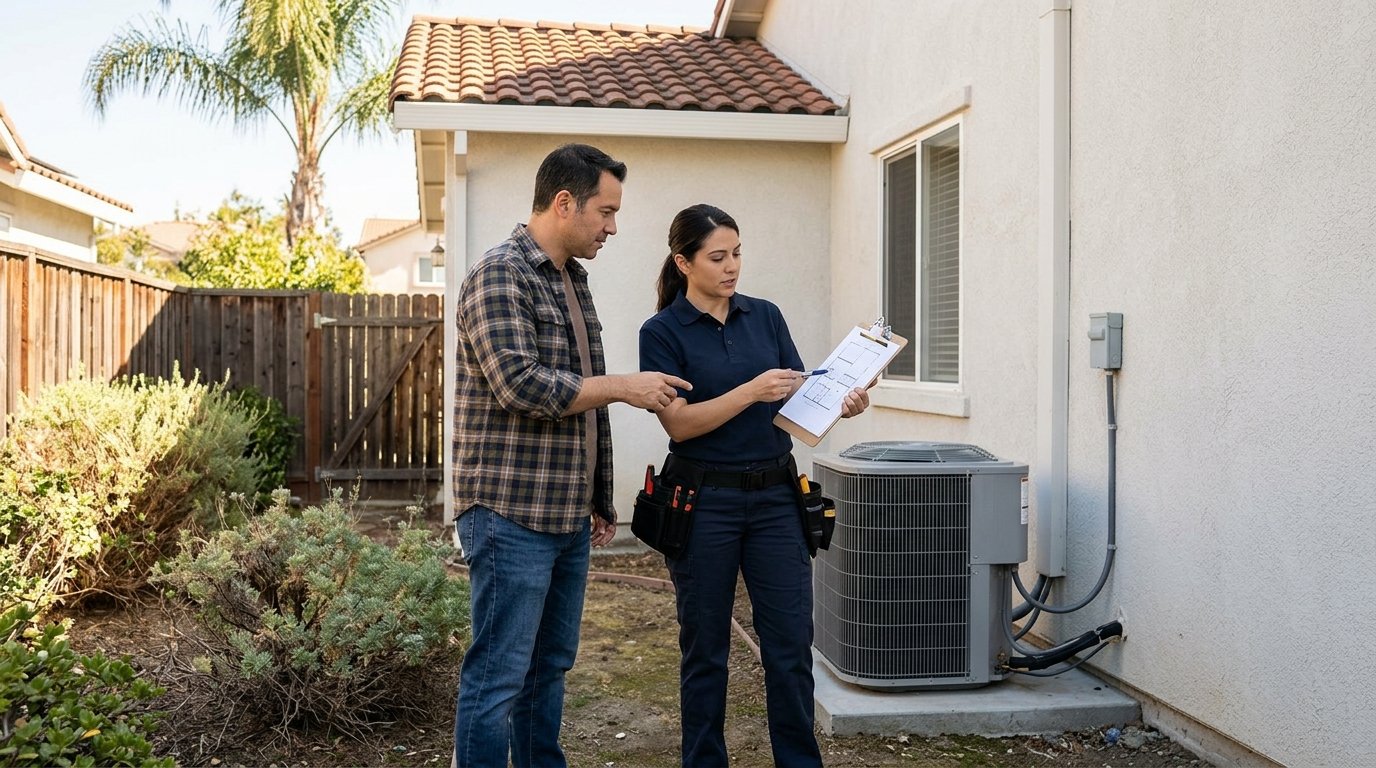
Installing a new air conditioner is a long-term decision, and the equipment itself is only part of the result. System size, duct condition, airflow, thermostat placement, and installation quality all affect how well the home cools. Choosing a unit based only on its price or the size of the old system can leave you with persistent comfort problems even when the equipment is new.
Homeowners considering san jose ac installation should begin by describing what the existing system does well and where it falls short. Does it struggle on warmer afternoons, leave certain rooms uncomfortable, run for long periods, or make excessive noise? These details can help the installer evaluate the home’s actual requirements rather than simply replacing the old equipment with a similar model.
Start with the home’s cooling needs
A proper system selection should account for more than square footage. Ceiling height, insulation, window area, shading, orientation, air leakage, occupancy, and heat-producing appliances can all affect cooling demand. Two homes with similar floor areas may need different equipment because their construction and exposure differ. A qualified installer should evaluate these factors before recommending capacity.
Oversizing is not automatically safer. A system that cools a space very quickly may cycle on and off too frequently, depending on its design and controls. Short cycles can reduce comfort, interfere with moisture removal, and place unnecessary demands on components. An undersized system may struggle to meet demand during hotter periods. Correct sizing aims to match the equipment to the home’s calculated needs rather than choosing the largest available unit.
Ask how the installer determined the recommended capacity. The explanation should refer to the home’s characteristics and the proposed equipment’s performance, not simply to what was installed in the house before. If a current system has performed poorly, repeating the previous configuration without identifying the reason may repeat the same problem.
Decide whether the existing ductwork is suitable
The ducts carry conditioned air from the equipment to the rooms and return indoor air for treatment. Leaks, crushed sections, disconnected joints, dirty filters, or poor sizing can restrict that process. New cooling equipment may not correct those weaknesses. If some rooms have always been warmer than others, ask whether the duct layout and airflow will be assessed as part of the project.
The installer should also consider the return-air path. A room may receive supply air but still have poor circulation if the return path is restricted. Closed doors, blocked grilles, or an unsuitable duct arrangement can affect pressure and airflow. These factors are important because equipment capacity alone cannot guarantee even temperatures throughout the home.
Duct changes should be based on identified needs. Replacing every duct is not automatically necessary, but ignoring damaged or poorly designed sections can undermine an otherwise sound installation. Ask which parts can remain, which require correction, and how the final airflow will be checked.
Compare equipment on more than purchase price
When comparing systems, consider expected operating costs, sound levels, available controls, warranty terms, serviceability, and whether the equipment is suitable for the home’s layout. Efficiency ratings can help compare equipment under defined test conditions, but they do not guarantee a specific utility bill. Real-world use also depends on weather, thermostat settings, installation quality, insulation, and maintenance.
Ask the installer to explain the differences between the options offered. A higher-efficiency system may cost more initially, but whether that additional cost makes sense depends on expected use, the difference in equipment cost, and how long you plan to keep the system. A clear comparison should explain both the benefits and the limitations rather than suggesting that the highest rating is always the best choice.
Controls matter as well. A thermostat should be compatible with the chosen equipment and placed where it can sense representative indoor conditions. Direct sunlight, nearby heat sources, drafts, or an unusual location can affect its readings and the way the system responds. If different rooms have very different cooling needs, ask whether the proposed design can address those differences.
What to expect during installation
Before work begins, confirm what the estimate includes. The project may involve removing old equipment, preparing the installation location, connecting the new system, reviewing drainage and electrical requirements, checking duct connections, setting up controls, and testing operation. The exact work varies by equipment and site conditions, so exclusions should be clarified before the start date.
The installer should follow applicable requirements and the equipment manufacturer’s instructions. Do not assume that all homes have identical electrical, drainage, or permit needs. Ask the contractor to confirm which requirements apply to your property and whether any additional work is needed to complete the installation properly.
After installation, request a walkthrough rather than relying on the fact that cool air comes from the vents. The technician should demonstrate thermostat operation, explain filter access, identify the system’s normal sounds and controls, and clarify what to do if abnormal operation appears. Ask what tests were performed and whether any outstanding issues remain. Keep the installation documents and equipment information for future service.
How to prepare your home
Clear access to the indoor equipment, outdoor unit, thermostat, and relevant electrical panel. Move stored items away from work areas and protect fragile belongings near the installation route. If pets or children will be present, plan how to keep them safely separated from tools and open equipment. Let the installer know about access limits or any known problem areas before work begins.
It is also helpful to agree on the expected schedule, disposal of old equipment, and any changes to walls, ceilings, or landscaping that may be needed. Discussing these details early can prevent misunderstandings. A good installation involves not only choosing the right equipment but also ensuring that the completed system works as designed and that you understand how to operate it.
Conclusion
A successful san jose ac installation starts with accurate sizing and a realistic assessment of the home’s ducts, controls, and existing comfort problems. Compare options using the full scope of cost and performance, then confirm the installation plan and final tests before approving the work. Understanding seasonal energy efficiency ratio helps you compare one aspect of cooling performance, but the rating should be considered alongside proper sizing and installation quality.