Finding the right psychiatric nurse practitioner role takes more than submitting a resume and waiting for a response. Employers want professionals who can provide compassionate mental healthcare, communicate clearly, and make sound clinical decisions while working with patients from different backgrounds. If you are exploring psychiatric nurse practitioner jobs in Texas, a focused application strategy can help you demonstrate your qualifications and show employers why you would be a strong addition to their team.
Understand What Texas Employers Are Looking For
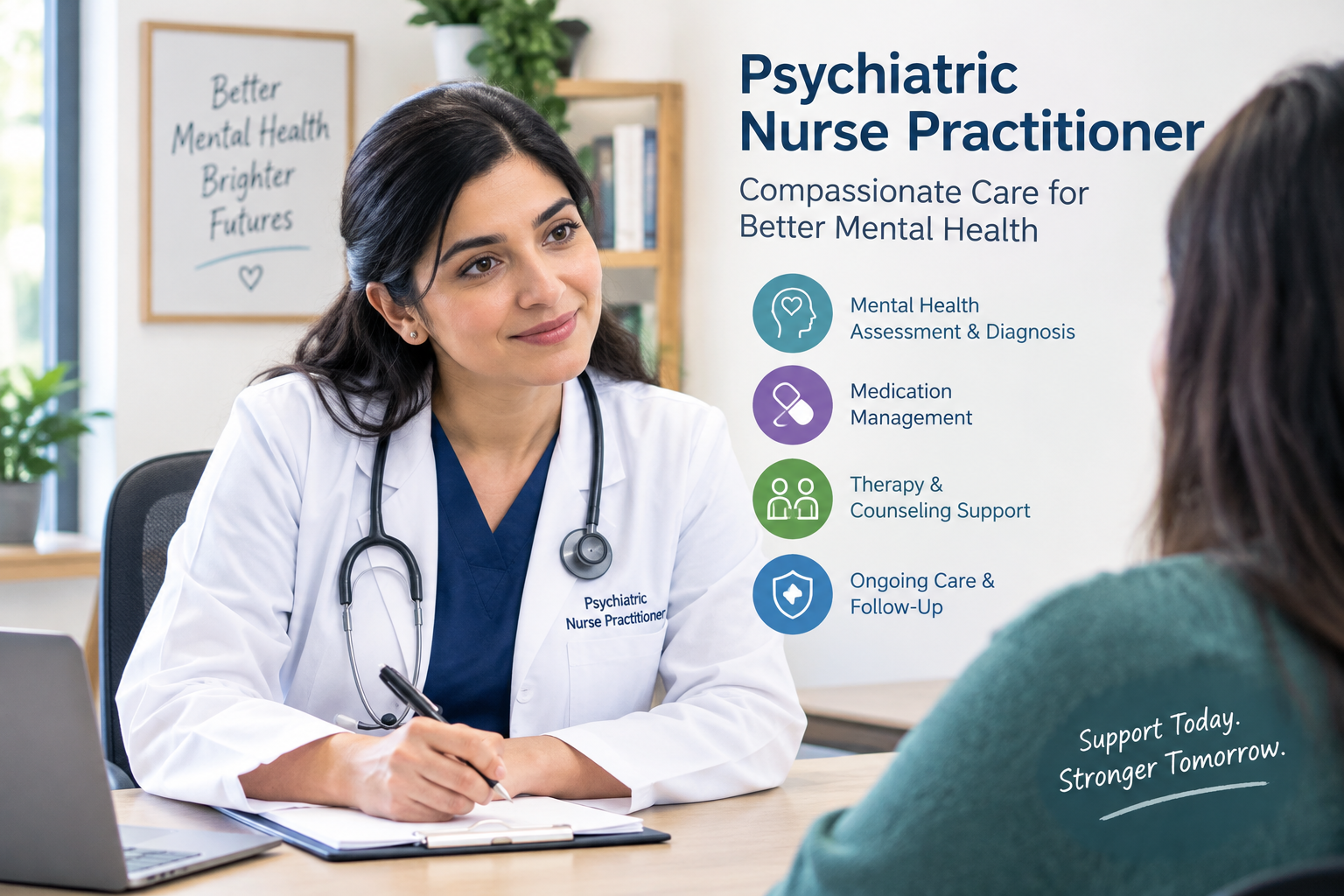
Psychiatric mental health nurse practitioners play an important role in evaluating, diagnosing, and treating patients with mental health conditions. Their responsibilities may include psychiatric assessments, treatment planning, medication management, patient education, and follow-up care, depending on their qualifications and authorized scope of practice.
Texas offers employment opportunities across several behavioral healthcare settings, including outpatient mental health clinics, hospitals, community health centers, residential facilities, and telehealth services. Current job listings in cities such as Houston, Dallas, Austin, and San Antonio illustrate the variety of settings candidates can investigate. Before applying, read the job description carefully. Some employers prefer experienced psychiatric nurse practitioners, while others may consider candidates who are earlier in their careers but have the appropriate qualifications.
Pay attention to requirements involving patient populations, clinical experience, board certification, scheduling, and collaboration with other healthcare professionals. Matching your application to these priorities helps recruiters see how your background fits the role.
Build a Resume That Highlights Your Clinical Strengths
Your resume is often the first opportunity to make a strong impression. It should be easy to read, professionally organized, and tailored to psychiatric mental healthcare rather than general nursing alone.
Start with a short professional summary that explains your qualifications, relevant experience, and approach to patient care. Include your credentials and current certification status accurately.
Next, organize your clinical experience around the skills most relevant to the position. Depending on your actual background, these may include:
- Conducting psychiatric evaluations and mental health assessments
- Developing individualized treatment plans
- Monitoring medication effectiveness and potential side effects
- Supporting patients with depression, anxiety, mood disorders, or other psychiatric conditions
- Coordinating care with therapists, physicians, nurses, and social workers
- Maintaining accurate clinical documentation and protecting patient confidentiality
Use specific examples where possible. Instead of saying that you provided quality patient care, describe how you supported treatment follow-up, improved communication within a care team, or helped patients understand their treatment plans.
Only include duties you have actually performed. If you are a recent graduate, highlight relevant clinical placements, supervised experience, and the patient populations you encountered.
Showcase Your Psychiatric Experience and Certifications
Relevant clinical experience can help distinguish your application, particularly when employers are seeking candidates who can manage psychiatric care confidently.
If you have experience in inpatient psychiatry, outpatient treatment, addiction services, geriatric mental health, or community behavioral healthcare, make that experience easy to identify. Explain the responsibilities you held and the types of clinical situations you encountered.
Your qualifications should also be clearly listed. Depending on the position, employers may require an appropriate advanced nursing degree, recognition as a psychiatric-mental health nurse practitioner, current state authorization, and relevant national certification.
The Psychiatric-Mental Health Nurse Practitioner Board Certification, commonly called PMHNP-BC, is particularly relevant to many psychiatric nurse practitioner positions. Check each employer’s requirements instead of assuming every listing follows the same criteria.
If you have completed continuing education in trauma-informed care, suicide risk assessment, substance use disorders, or evidence-based psychiatric treatment, include relevant training. These details can demonstrate your commitment to maintaining and expanding your clinical knowledge.
Prepare for Behavioral Health Interviews
A strong resume may secure an interview, but preparation helps you explain how you would approach the responsibilities of the role.
Review the employer’s services, patient population, treatment model, and care setting before the interview. A hospital position may emphasize acute psychiatric assessment and coordination, while an outpatient clinic may focus more on ongoing treatment and follow-up.
Prepare to discuss clinical scenarios involving patient safety, treatment adherence, medication monitoring, and communication with other providers. Employers may also ask how you respond when a patient is distressed, reports worsening symptoms, or needs a higher level of care.
When answering, explain your clinical reasoning in a clear and organized way. Emphasize patient safety, appropriate assessment, evidence-based practice, consultation when needed, and compliance with professional responsibilities.
Prepare questions for the employer, too. Ask about onboarding, access to psychiatric consultation, typical caseloads, documentation expectations, and how the organization handles urgent patient concerns.
These questions show that you are considering the quality of care you can provide, not just the compensation or job title.
Demonstrate Strong Patient Communication Skills
Psychiatric care depends on trust. Patients may feel anxious, overwhelmed, or uncertain about discussing personal experiences, so employers value nurse practitioners who can communicate with empathy while maintaining professional boundaries.
During your application and interview, demonstrate that you understand the importance of listening carefully, explaining treatment options in accessible language, and involving patients in decisions about their care.
Other important strengths include:
- Cultural awareness: Recognize that beliefs, family circumstances, language, and access to healthcare can influence a patient’s experience.
- Emotional awareness: Respond calmly when patients express frustration, fear, or distress.
- Clear documentation: Record clinical findings, treatment decisions, and follow-up plans accurately.
- Team collaboration: Communicate relevant information to other members of the care team while protecting patient privacy.
If you speak Spanish or another language relevant to the community you serve, mention your proficiency accurately. This may be useful for positions serving multilingual populations, although language requirements vary by employer.
Research Texas Licensing and Practice Requirements
Before applying, confirm that your qualifications meet the requirements for advanced nursing practice in Texas. Employers need to know that candidates can meet the applicable licensing, credentialing, and practice standards for the position.
Review information from the Texas Board of Nursing and confirm the requirements for advanced practice registered nurses and psychiatric nurse practitioners. Depending on your circumstances, you may need to verify your registered nursing license, advanced practice authorization, national certification, and other applicable credentials.
If the role involves prescribing medication, ask about the employer’s credentialing process and any additional requirements that apply to the position. Do not assume that a license or certification from another state automatically satisfies every Texas requirement.
Candidates relocating from elsewhere should start this process early. Employers may have specific timelines for credential verification, insurance enrollment, and onboarding, which can affect the expected start date.
Find the Right Psychiatric Nurse Practitioner Position
A targeted job search is more effective than applying to every available opening. Start by identifying your preferred location, patient population, work setting, and career goals.
Texas has several large metropolitan areas worth considering:
- Houston: Explore hospital-based behavioral healthcare, outpatient clinics, and community mental health services.
- Dallas-Fort Worth: Look for opportunities across private practices, healthcare groups, and inpatient or outpatient services.
- Austin: Investigate mental health clinics, integrated healthcare services, and organizations offering different models of patient care.
- San Antonio: Consider opportunities in hospitals, community services, and specialty behavioral health settings.
These are search areas to investigate, not guarantees of current vacancies. Review individual listings for verified openings, qualifications, and employment terms.
You can also visit Gotham Enterprises Ltd to explore healthcare job-search resources and relevant career opportunities. Search using your preferred location and specialty, then compare listings based on responsibilities, experience requirements, and benefits.
Keep your resume updated and use job alerts when available. Applying soon after a suitable position is posted may help you respond while the employer is actively reviewing candidates.
Final Thought
Standing out as a psychiatric nurse practitioner requires a clear resume, relevant clinical experience, strong communication skills, and a thoughtful approach to patient care. Take time to research employers, prepare for interviews, and choose a position that supports your long-term goals. As you explore healthcare career opportunities, researching Pain Management Physicians jobs New York can also provide a broader view of specialized healthcare roles and employment options across the country.