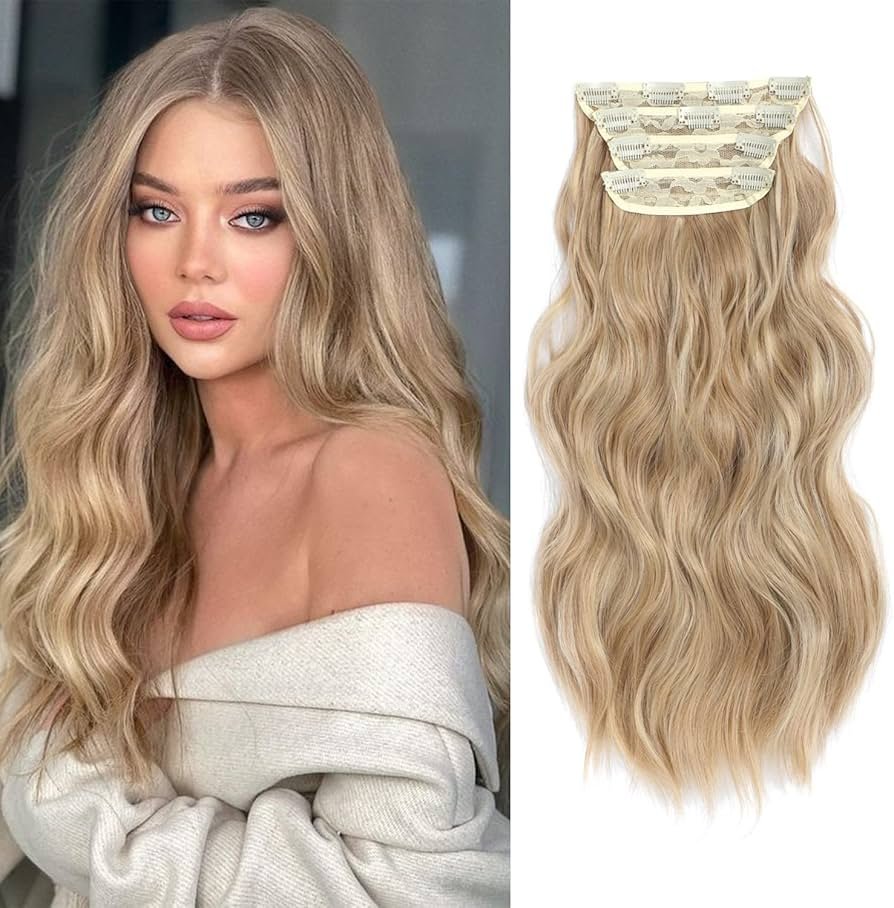
One of the biggest concerns women have before getting extensions is whether the result will look natural. Nobody wants extensions that appear obvious, sit strangely, or clash with their existing hair. The goal is hair that looks like it grew that way.
Achieving a natural result depends on several factors: the quality of the hair, the skill of the installation, and how well the extensions are matched to the guest’s specific texture, density, and color. For women seeking natural-looking hair extensions Dallas, understanding what contributes to a believable blend helps set realistic expectations and guides the search for the right provider.
Why Hair Quality Affects the Blend
Extensions that blend well start with hair that behaves like natural hair. Remy human hair, with cuticles intact and aligned, moves, shines, and responds to styling the way biological hair does. Lower-grade hair often has a coating that creates an artificial sheen or a texture that doesn’t quite match.
Over time, the difference becomes more obvious. Quality hair continues to blend as it’s washed and styled. Lower-grade hair may become dry, frizzy, or dull, creating a visible contrast with the natural hair around it.
Women looking for the best hair extensions for thin hair should pay particular attention to texture matching. Fine natural hair paired with thick, coarse extension hair creates an obvious mismatch. The extension hair should complement the existing texture, not overpower it.
The Role of Color Matching
Color matching is more complex than finding a shade that looks close. Natural hair typically contains multiple tones: highlights, lowlights, and subtle variations that create dimension. Extensions matched to a single flat color can look artificial even if the base shade is correct.
Skilled specialists evaluate color in natural light and may recommend extensions with built-in dimensions or suggest blending multiple shades to create a realistic match. Custom coloring of extensions before installation is sometimes necessary for guests with unique or multi-tonal colors.
Natural-looking hair extensions in Dallas require providers who take color matching seriously and don’t rush this step. A close match on day one makes all the difference in how believable the result looks over time.
Density and Placement Strategy
Adding too much hair in one area or placing extensions where they’ll be visible disrupts the natural look. A skilled specialist maps out placement based on the guest’s existing density, growth patterns, and how they typically style their hair.
For women with fine or thinning hair, this step is especially important. Overloading fragile areas with too much extension hair creates tension and can cause damage. Strategic placement means adding hair where it enhances fullness without overwhelming what’s already there.
The best hair extensions for thin hair are those placed thoughtfully, with attention to how the natural hair falls and where it needs support. Less can be more when the goal is a natural, undetectable result.
Method Selection for Your Hair Type
Not every extension method produces the same kind of blend. Some methods work better for fine hair. Others suit thick, dense hair. Choosing the wrong method for the hair type can result in extensions that show, slip, or sit awkwardly.
V-Light extensions, for example, are designed for extremely fine hair and create nearly invisible bonds. Keratin fusion works well for many hair types and distributes weight evenly. Beaded weft and hand-tied methods require enough density to hide the attachment row but can add significant volume when placed correctly.
The Importance of Maintenance for Ongoing Blending
Extensions don’t maintain themselves. As natural hair grows, attachment points move further from the scalp. Bonds can loosen. Rows can drop. Without regular maintenance, extensions that looked natural initially can start to show.
Maintenance appointments reposition attachments, check for any slipping or tangling, and keep the blend looking fresh. The schedule varies by method, but most guests return every five to eight weeks.
Women who want extensions to continue looking natural over time should factor maintenance into the decision. Skipping appointments leads to visible roots, awkward placement, and a result that no longer blends.
Finding a Provider Who Prioritizes the Blend
The best results come from providers who approach extensions as an art, not just a service. They take time during consultations to assess color, texture, density, and growth patterns. They customize placement based on the individual. They follow up with maintenance that keeps everything looking right.
For women searching for natural-looking hair extensions in Dallas, the provider’s approach matters as much as the hair itself.