Worms may seem like simple creatures, but they play a surprisingly important role in nature. From helping improve soil to breaking down organic matter, worms are involved in many natural processes that support healthy ecosystems.
If you’ve ever found an earthworm in your garden or started a worm composting bin, you may have wondered what these small creatures actually do and how they live.
Here are some interesting facts about worms that show just how useful and fascinating they can be.
What Are Worms?
Worm is a general term used for many different types of long, soft-bodied animals. Earthworms are among the most familiar, especially in gardens, compost piles, and soil.
Earthworms spend much of their lives in soil and feed on organic material. As they move through the ground, they can help improve soil structure and contribute to nutrient cycling.
Worms Help Improve Soil
One of the most useful things earthworms do is move through soil and create small channels.
These tunnels can help air and water move through the soil more easily. Their feeding and burrowing activity can also help mix organic material with soil.
This makes earthworms an important part of many healthy garden ecosystems.
Earthworms Don’t Have Lungs
Here’s one of the more interesting facts about worms: earthworms don’t breathe with lungs.
Instead, they absorb oxygen through their moist skin. This is why earthworms need a damp environment to survive.
If their skin becomes too dry, they can have difficulty breathing and may eventually die.
Worms Have No Legs
Earthworms move without legs by using their muscles and tiny bristles called setae.
The muscles contract and relax along different parts of the body, allowing the worm to push itself through soil or other materials.
The setae provide grip and help the worm move without slipping backward.
Worms Have Multiple Body Segments
If you look closely at an earthworm, you’ll notice that its body is divided into many small segments.
These segments work together as the worm moves. The segmented body also allows the worm to bend and squeeze through small spaces in soil.
This simple body structure is surprisingly effective for life underground.
Earthworms Are Important Decomposers
Earthworms help process dead and decaying organic material.
They consume organic matter and pass it through their digestive system, producing worm castings in the process.
These castings contain organic material and nutrients that can contribute to healthy soil.
Worms Can Eat a Lot of Organic Material
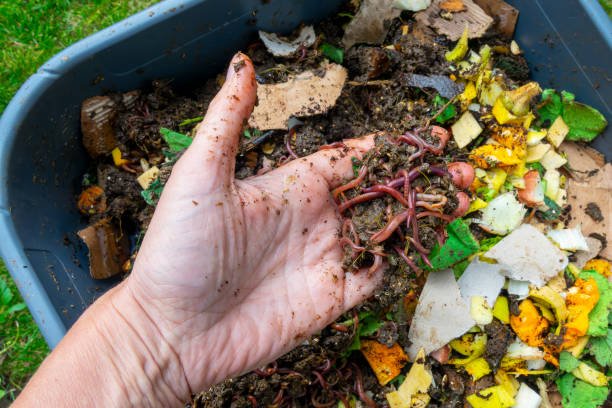
Composting worms such as Red Wigglers are particularly useful because they can process significant amounts of organic waste.
In a well-managed worm bin, worms can help break down fruit and vegetable scraps, plant material, and other suitable organic waste.
The exact amount they consume depends on the worm population, temperature, moisture, and type of food available.
Earthworms Are Hermaphrodites
Another interesting fact about worms is that earthworms generally have both male and female reproductive organs.
However, most earthworms still need another worm to reproduce.
During mating, two mature worms exchange reproductive material. Later, they can produce cocoons containing developing young worms.
Worms Produce Cocoons
Earthworms don’t simply release individual eggs into the soil.
Instead, they produce protective capsules called cocoons. Young worms develop inside these cocoons before eventually hatching.
If you find small cocoons in your worm bin, it can be a good indication that your worms are reproducing.
Worms Come in Different Sizes
Not all earthworms are the same size.
Some species are relatively small, while others can grow considerably longer. Their size depends on their species, age, food supply, and environmental conditions.
Composting worms such as Red Wigglers are generally smaller than some of the larger earthworm species found in soil.
Worms Prefer Moist Environments
Earthworms need moisture to keep their skin functioning properly.
This is why you often find them in damp soil, under leaves, or in composting material.
However, worms don’t simply need as much water as possible. Extremely wet or waterlogged conditions can also create an unhealthy environment.
A balanced moisture level is important.
Worms Are Sensitive to Extreme Temperatures
Temperature can have a major effect on worm activity.
Most composting worms prefer moderate conditions and may become less active when temperatures become too hot or too cold.
A worm bin should therefore be kept away from extreme heat and direct exposure to harsh weather when possible.
Worms Have No Teeth
Earthworms don’t have teeth for chewing food.
Instead, they consume softened organic material and microorganisms. Grit and small particles in their environment can also help with the physical breakdown of food inside their digestive system.
This is one reason partially decomposed food can be easier for worms to process.
Worm Castings Are Useful for Plants
Worm castings are one of the reasons vermicomposting is popular among gardeners.
As worms process organic material, they produce castings that can be added to soil or used as part of a growing system.
Many gardeners value worm castings because they contain organic matter and plant nutrients.
Worms Can Regenerate Some Body Parts
Earthworms have some ability to regenerate damaged tissue, but the common idea that a worm can always become two complete worms is a myth.
If an earthworm is cut, the result depends on where the injury occurs and the species involved. The head and other vital structures are important for survival, and a separated section does not automatically become a new worm.
So it’s best not to think of cutting a worm as a way to create two worms.
Worms Have Natural Predators
Earthworms are an important food source for many animals.
Birds, frogs, reptiles, insects, and small mammals may all feed on worms.
This makes earthworms an important part of food webs and helps connect soil ecosystems with animals living above the ground.
Why Are Worms Important for Composting?
Worms are especially useful in vermicomposting because they help process organic kitchen waste.
Composting worms can turn suitable food scraps and bedding into worm castings over time.
A healthy worm bin can therefore provide a simple way to recycle some household organic waste while producing material that can be useful in gardening.
Interesting Facts About Worms in Your Garden
If you want to encourage earthworms naturally, you don’t need to do anything complicated.
Adding organic matter, reducing unnecessary soil disturbance, maintaining suitable moisture, and avoiding harsh chemicals can help create a more worm-friendly environment.
A garden with healthy soil and plenty of organic material is often a good habitat for earthworms.
Choosing Worms for Vermicomposting
If you’re interested in starting a worm farm, choosing the right type of worm is important.
Memes Worms offers Pure Red Wiggler Composting Worms, which can be a practical option for people starting or expanding a home vermicomposting system. You can learn more about their composting worms and resources at https://memesworms.com/
Conclusion
There are plenty of interesting facts about worms that make these small creatures more fascinating than they first appear.
Earthworms help process organic matter, improve soil structure, recycle nutrients, and support other animals in the ecosystem. Composting worms also provide a simple way to turn suitable kitchen scraps into useful worm castings.
The next time you see a worm in your garden, remember that it is doing much more than simply moving through the soil. These small creatures are an important part of a healthy natural cycle.
Frequently Asked Questions
1. Do worms have lungs?
No. Earthworms absorb oxygen through their moist skin rather than breathing with lungs.
2. Do worms have teeth?
No. Earthworms don’t have teeth and instead consume softened organic material and microorganisms.
3. How do worms move without legs?
They use their muscles and tiny bristles called setae to grip surfaces and move through soil.
4. Are all worms good for composting?
No. Different worm species have different habitats and feeding habits. Composting systems usually work best with species such as Red Wigglers.
5. Why are earthworms important?
Earthworms help process organic matter, improve soil structure, recycle nutrients, and provide food for other animals.