Wellness retreats are becoming increasingly popular among people who want to step away from demanding routines, focus on self-care, and return home feeling refreshed. Alongside activities such as yoga, meditation, fitness sessions, healthy meals, and relaxation therapies, some wellness programs may offer intravenous (IV) hydration or nutrient infusions as an optional service.
For people researching IV Drips in Muscat, understanding what the treatment involves can make the experience less intimidating. An IV drip delivers fluids, electrolytes, or other nutrients directly into a vein through a small catheter. Depending on the formulation and the individual’s needs, the purpose may range from hydration support to addressing a documented nutrient deficiency.
However, IV therapy is still a medical procedure rather than simply another spa treatment. It should be provided following an appropriate health assessment and by qualified healthcare professionals. A wellness retreat can be relaxing, but safety and medical suitability should remain the priority.
What Are IV Drips and How Do They Work?
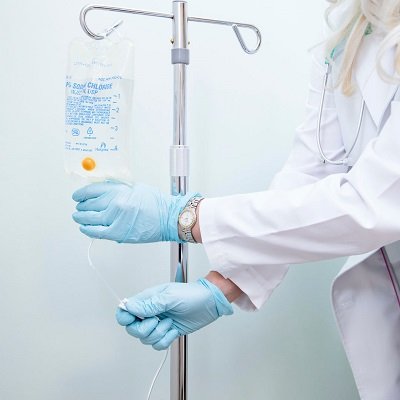
An IV drip is a method of delivering fluids or prescribed substances directly into the bloodstream. During treatment, a healthcare professional places a small intravenous catheter into a vein, usually in the arm or hand. The selected solution then flows gradually through the catheter.
IV formulations can vary considerably. Some primarily contain fluids and electrolytes, while others may contain vitamins or other nutrients when medically appropriate. The exact ingredients should depend on the individual’s health circumstances rather than being selected simply because a particular combination is marketed as a wellness booster.
One reason IV hydration attracts attention at wellness retreats is its direct route of administration. Unlike oral fluids or supplements, an IV infusion does not need to pass through the digestive system before entering circulation.
That does not automatically make IV therapy better than drinking fluids or taking oral nutrients. The appropriate method depends on the person’s condition, nutritional status, hydration needs, and medical history.
For anyone considering IV Drips in Muscat, the most important first step is understanding what the proposed infusion contains and why it is being recommended.
What to Expect Before an IV Drip
A responsible IV experience should begin with an assessment rather than immediately starting an infusion.
A healthcare professional may ask about current symptoms, medications, allergies, medical conditions, previous reactions to IV treatments, and general health. Depending on the type of infusion, additional information or laboratory testing may be relevant.
This initial conversation matters because IV treatment is not suitable for everyone. Certain medical conditions, medication interactions, fluid restrictions, kidney problems, heart conditions, or allergies may affect whether an infusion is appropriate.
The healthcare professional should also explain the purpose of the infusion and what it contains. People should feel comfortable asking questions such as:
- What is included in the IV solution?
- Why is each ingredient being used?
- How long will the infusion take?
- Are there potential side effects?
- What should be reported during treatment?
- Are there alternatives, such as oral hydration or dietary changes?
At a wellness retreat, it can be tempting to think of an IV drip as a quick add-on to a relaxing day. A proper medical screening helps ensure that the treatment is approached as healthcare rather than simply a luxury experience.
What Happens During the IV Drip?
Once the healthcare professional determines that the treatment is appropriate, the person is usually seated or reclined comfortably. The skin at the insertion site is cleaned, and a small catheter is placed into a suitable vein.
The IV solution is then administered slowly. The duration can vary depending on the formulation, volume, and individual circumstances.
During the infusion, people may read, listen to music, talk with friends, or simply relax. Some may notice a cool sensation around the IV site as fluid enters the vein. Mild pressure or brief discomfort during insertion can also occur.
It is important to communicate with the healthcare professional throughout the session. Burning, significant pain, swelling, unusual redness, dizziness, difficulty breathing, chest discomfort, or other concerning symptoms should be reported immediately.
After the infusion is completed, the catheter is removed and the area is usually covered with a small dressing. Many people can return to their normal activities afterward, although recommendations may differ depending on the treatment and the person’s health.
The experience itself is generally straightforward, but the quality of the medical assessment, sterile technique, monitoring, and aftercare can be just as important as the infusion.
Potential Benefits and Realistic Expectations
IV therapy is often promoted in wellness settings for hydration, energy, recovery, immune support, or general wellness. However, expectations should remain realistic.
IV fluids can be medically useful when someone needs hydration or cannot adequately take fluids by mouth. Certain nutrients may also be administered intravenously when there is an appropriate medical reason for doing so.
For generally healthy people, however, there is limited evidence that routine IV vitamin infusions provide broad benefits beyond what can be achieved through adequate nutrition and appropriate hydration. Marketing claims should therefore be viewed carefully.
The potential benefit depends heavily on what is actually being treated.
For example, someone who is dehydrated may benefit from medically appropriate fluid replacement. Someone with a confirmed nutrient deficiency may require a specific treatment plan. A person who is already well hydrated and nutritionally adequate may not experience a dramatic improvement simply from receiving an infusion.
This distinction is particularly important when researching IV Drips in Muscat. A reputable service should explain what the treatment is intended to accomplish without promising unrealistic results.
Wellness should also be viewed as a broader picture. Sleep, balanced nutrition, physical activity, stress management, and appropriate medical care remain fundamental components of long-term health.
Safety, Side Effects, and Aftercare
Although IV treatment is commonly performed in healthcare environments, it is not completely risk-free.
Potential issues can include temporary discomfort or bruising where the needle is inserted. Some people may experience irritation, swelling, or inflammation around the IV site. Less commonly, infection or problems related to the infused substance can occur.
There may also be risks associated with receiving too much fluid or certain nutrients, particularly in people with underlying health conditions.
For that reason, sterile equipment, appropriate screening, qualified professionals, and proper monitoring are essential.
After treatment, people are generally advised to follow the healthcare professional’s instructions. Keeping the insertion area clean and paying attention to unusual symptoms can be helpful. If significant swelling, increasing redness, severe pain, fever, breathing difficulty, or another concerning reaction develops, medical attention should be sought promptly.
A wellness retreat should never pressure someone into receiving an IV infusion. A person should be able to decline treatment or ask for more information before agreeing.
Choosing IV Drips in Muscat Responsibly
When considering IV Drips in Muscat, the setting and provider’s medical standards deserve careful attention.
A suitable service should have qualified healthcare professionals involved in assessment and administration. The environment should be clean and appropriate for an invasive medical procedure, with proper infection-control practices and clearly identified equipment and solutions.
People should also look beyond attractive wellness packages. A good service should be transparent about ingredients, potential risks, contraindications, and expected outcomes.
It is also worth asking whether the treatment is genuinely necessary. If the primary concern is ordinary dehydration after exercise or travel, oral fluids may sometimes be sufficient. If fatigue or weakness is persistent, the underlying cause should be investigated rather than automatically attributed to dehydration or vitamin deficiency.
The best wellness experience is one that combines relaxation with responsible healthcare. IV therapy can be considered when there is a suitable medical reason, but it should complement—not replace—professional medical evaluation when symptoms require attention.
Is an IV Drip Right for a Wellness Retreat?
For some people, an IV infusion may be an appropriate part of a wellness program, particularly when hydration or a specific medical need has been identified. For others, it may offer little additional value.
Before choosing an infusion, individuals should consider their health status, the purpose of the treatment, the ingredients involved, and the qualifications of the professionals providing it.
People with chronic medical conditions, pregnancy, medication use, allergies, kidney or heart concerns, or previous reactions to IV treatment should discuss the option with an appropriate healthcare professional before proceeding.
Ultimately, the goal of a wellness retreat should be meaningful health support rather than simply adding as many treatments as possible to an itinerary.
For readers exploring IV Drips in Muscat, informed decision-making is the best starting point. Understanding what an IV drip can and cannot do allows people to approach the treatment with realistic expectations and greater confidence.
Frequently Asked Questions
1. What are IV drips used for?
IV drips can be used to provide fluids, electrolytes, or specific nutrients directly into the bloodstream. Their usefulness depends on the person’s medical needs. They should not be viewed as a universal treatment for tiredness, low energy, or general wellness.
2. Are IV drips painful?
There may be brief discomfort when the IV catheter is inserted. During the infusion, some people notice a cool sensation in the arm. Significant pain, burning, swelling, or other unusual symptoms should be reported to the healthcare professional immediately.
3. How long does an IV drip take?
The duration depends on the type and volume of the infusion and the person’s individual circumstances. Some treatments may be relatively short, while others take longer. The healthcare professional should explain the expected duration beforehand.
4. Can everyone receive IV therapy?
No. IV therapy may not be appropriate for everyone. Medical conditions, allergies, medications, pregnancy, fluid restrictions, and other factors can affect suitability. A health assessment should be completed before treatment.
5. Are IV drips better than drinking water?
Not necessarily. For routine hydration, drinking fluids may be entirely adequate for many healthy people. IV fluids are particularly useful when oral hydration is insufficient or when there is a specific medical reason for intravenous administration.
6. What should someone look for when considering IV Drips in Muscat?
People should look for a medically appropriate setting, qualified healthcare professionals, proper infection-control procedures, transparent information about ingredients, and a thorough health assessment. Claims promising guaranteed energy, immunity, detoxification, or other dramatic benefits should be approached cautiously.
Read More About IV Drips: https://linkmate.mn.co/posts/what-makes-a-quality-iv-drips-experience