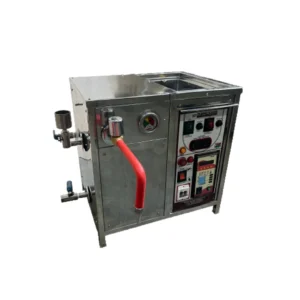
In the jewellery manufacturing industry, precision and attention to detail are essential for creating beautiful, durable, and high-quality jewellery. A jewellery setting machine is an important tool for securely placing gemstones into rings, necklaces, earrings, pendants, and other decorative jewellery pieces. Designed to support accuracy and control, these machines help jewellers achieve consistent results while improving production efficiency.
Whether you operate a professional jewellery workshop or a large manufacturing unit, choosing the right equipment can improve the quality of your work and support your business growth.
What Is a Jewellery Setting Machine?
A jewellery setting machine is specialised equipment used to assist in placing and securing gemstones within jewellery settings. It helps jewellers position stones accurately and apply controlled pressure where required, depending on the machine type and setting technique.
These machines can support different jewellery-making applications, including diamond setting, gemstone placement, and detailed decorative work. The appropriate machine depends on the jewellery design, stone size, metal type, and production requirements.
Key Benefits of a Jewellery Setting Machine
1. Improved Precision and Accuracy
Precise gemstone placement is essential for creating attractive and professionally finished jewellery. A jewellery setting machine helps improve positioning and control, reducing the risk of uneven settings and unnecessary adjustments. This is particularly valuable when working with small gemstones or intricate designs.
2. Consistent Manufacturing Quality
Maintaining consistent quality across multiple jewellery pieces can be challenging when production volumes increase. Suitable setting equipment helps jewellers follow repeatable processes and achieve more uniform results. Consistency is especially important for manufacturers producing matching rings, earrings, and coordinated jewellery collections.
3. Better Production Efficiency
Manual gemstone setting can require considerable time and specialised skills. Depending on the technology and application, a jewellery setting machine can help streamline specific setting operations, reduce repetitive effort, and improve workflow efficiency. This allows jewellery professionals to manage production more effectively without compromising attention to detail.
4. Support for Intricate Designs
Modern jewellery designs often feature delicate patterns, multiple gemstones, and detailed metalwork. Precision setting equipment can help experienced jewellers handle complex applications with greater control. Selecting equipment that matches the design and setting method is essential for protecting gemstones and achieving a professional finish.
How to Choose the Right Jewellery Setting Machine
Before purchasing a jewellery setting machine, consider your workshop’s specific requirements. Start by identifying the types of gemstones and metals you work with regularly. Next, evaluate the machine’s precision, operating controls, compatibility with your setting techniques, and ease of maintenance.
It is also important to consider production volume, operator training, available technical support, and the manufacturer’s warranty. Reviewing these factors can help you select equipment that offers long-term value and meets your manufacturing needs.
For specialised applications, ask the supplier about suitable machine configurations and request a demonstration before making a purchase.
Applications of Jewellery Setting Machines
Jewellery setting machines are used in workshops and manufacturing facilities that produce diamond rings, gemstone pendants, earrings, bracelets, and other fine jewellery. Depending on the machine’s capabilities, they may support specific setting processes used in both customised jewellery production and larger manufacturing operations.
Conclusion
Investing in a reliable jewellery setting machine can help improve precision, consistency, and efficiency in gemstone setting operations. By selecting equipment suited to your materials, designs, and production requirements, you can support high-quality craftsmanship and maintain professional manufacturing standards.