

Outdoor spaces add comfort, functionality, and value to a property. Decks provide places for relaxing, entertaining guests, enjoying fresh air, and spending time with family. However, constant exposure to sunlight, rain, humidity, and changing weather conditions can gradually affect their strength and appearance. Wood may deteriorate, fasteners can loosen, and structural connections may weaken over time. Regular evaluations help property owners recognize these concerns and understand when maintenance or repairs may be necessary. Taking care of an outdoor structure supports safer use and helps preserve its condition for years.
Understanding the Importance of Deck Evaluations
A deck contains several connected components that work together to provide stability and support. Deck Inspection Services in Port St Joe FL can help property owners assess visible conditions involving deck boards, railings, stairs, support posts, beams, and structural connections. A professional evaluation may identify signs of deterioration, loose components, moisture damage, or other conditions that deserve attention. Regular assessments are especially useful for older decks and structures exposed to frequent weather changes. Understanding the condition of these components helps owners make informed decisions about maintenance and possible improvements.
Recognizing Common Signs of Deck Damage
Deck problems may develop gradually and become noticeable through small changes. Cracked boards, splintering wood, rusted fasteners, loose railings, and uneven surfaces can indicate that certain components need attention. Soft or discolored wood may also suggest moisture exposure or deterioration. Property owners should watch for movement when walking across the deck and pay attention to stairs that feel unstable. Although some concerns may appear minor, ignoring them can increase the possibility of more extensive damage. Early recognition makes it easier to determine what repairs may be needed.
Evaluating Structural Support Components
The strength of a deck depends on its support system and the way its components are connected. Posts, beams, joists, ledger boards, and attachment points all contribute to the structure’s stability. Deck Inspection in Port St Joe FL can help identify visible concerns involving these important elements and determine whether further evaluation may be necessary. Inspectors may look for deterioration, improper connections, corrosion, and signs of movement in accessible areas. Because some structural components are hidden or difficult to reach, the inspection scope should be clearly understood before the evaluation begins.
Checking Railings, Stairs, and Walking Surfaces
Railings and stairs are important safety features because they help people move around the deck securely. Loose handrails, damaged stair treads, uneven steps, and unstable guardrails can increase the risk of falls. Walking surfaces should also be checked for raised boards, exposed nails, cracks, and slippery areas. Property owners should address damaged or loose components promptly rather than waiting for them to become more serious. Keeping these features in suitable condition supports easier movement and makes outdoor spaces more comfortable for residents and visitors.
Understanding Weather-Related Deterioration
Outdoor decks experience constant exposure to environmental conditions. Rain and humidity can contribute to wood rot, while strong sunlight may cause fading, cracking, and surface deterioration. Coastal environments can also expose metal fasteners and connectors to conditions that encourage corrosion. Proper drainage, suitable protective finishes, and regular cleaning can help reduce some of these effects. Property owners should check areas where water collects and ensure that debris does not block drainage paths. Consistent care helps protect the deck from avoidable environmental damage.
Preparing for a Professional Inspection
Before scheduling an evaluation, property owners can make the deck easier to access by removing furniture, planters, storage containers, and other items from important areas. Clearing the walking surface allows visible boards, railings, stairs, and other accessible components to be examined more effectively. Owners should also mention any known concerns, such as unusual movement, previous repairs, or recurring moisture problems. Sharing relevant maintenance information can provide useful background and help the inspector understand which areas may deserve additional attention.
Understanding Inspection Findings
An inspection report can help property owners understand the visible condition of their outdoor structure. Findings may include descriptions of damaged boards, loose connections, deteriorating support components, or maintenance concerns. Some issues may require simple repairs, while others could need evaluation by a qualified contractor or structural specialist. Owners should review recommendations carefully and ask questions when the severity of a concern is unclear. Addressing safety-related findings promptly is important for reducing risks and maintaining a dependable outdoor space.
Maintaining a Deck Over Time
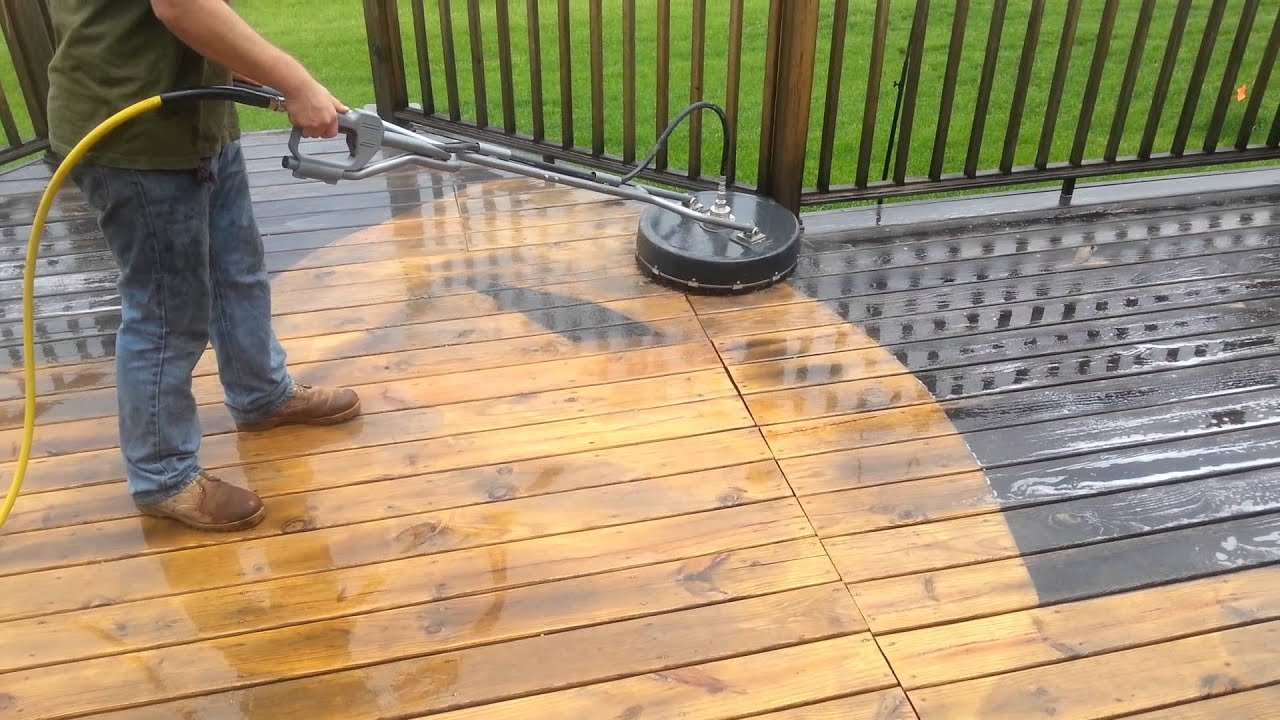
Routine maintenance can help preserve the appearance and performance of a deck. Cleaning surfaces, removing leaves and debris, checking fasteners, and maintaining protective finishes are useful practices. Property owners should also monitor railings, stairs, support areas, and places where moisture may collect. Damaged boards and deteriorating components should receive appropriate attention. Keeping records of maintenance and repairs makes it easier to monitor the structure’s condition and plan future work before minor problems become more complicated.
Making Outdoor Safety a Priority
A well-maintained deck provides a comfortable place to enjoy outdoor activities, but its safety depends on the condition of its components. Regular evaluations, timely repairs, and consistent maintenance can help property owners recognize potential problems and protect their investment. Paying attention to structural supports, walking surfaces, railings, and weather-related deterioration is an important part of responsible property care. With proper attention and professional guidance when needed, outdoor spaces can remain more functional, attractive, and dependable for everyday use.