Knitwear manufacturing in Pakistan has become a cornerstone of the global textile supply chain, especially for USA apparel brands seeking quality, affordability, and reliability. Over the past few decades, Pakistan has evolved into one of the world’s leading knitwear producers, offering a wide range of products including t-shirts, polo shirts, hoodies, sweatshirts, and sportswear.
With advanced production facilities, a skilled workforce, and competitive pricing, Pakistan is now a preferred sourcing destination for American clothing companies—from startups to established fashion labels. This article explores why knitwear manufacturing in Pakistan is ideal for USA brands, highlighting its strengths, production capabilities, export potential, and future outlook.
Overview of Knitwear Manufacturing in Pakistan
Pakistan’s textile industry is the backbone of its economy, and knitwear plays a major role within it. The country is among the top global exporters of knitwear, supplying major international markets including the United States, United Kingdom, and Europe.
The knitwear sector contributes significantly to export earnings and employment, with thousands of manufacturing units operating across cities like Karachi, Lahore, Faisalabad, and Sialkot.
In recent years, knitwear exports have shown strong growth. For example, exports reached approximately $4.43 billion in FY 2022–23, demonstrating the sector’s importance and resilience.
Why USA Brands Choose Pakistan for Knitwear Manufacturing
Competitive Pricing Without Compromising Quality
One of the biggest advantages for USA buyers is cost-effectiveness. Pakistan offers lower labor and production costs compared to countries like China and Turkey, while maintaining high-quality standards.
Manufacturers use premium cotton (especially combed and organic cotton), ensuring soft, durable, and breathable garments that meet USA market expectations.
High-Quality Cotton and Raw Materials
Pakistan is one of the largest cotton-producing countries in the world. This ensures a stable supply of raw materials for knitwear production. Local availability reduces dependency on imports and helps manufacturers maintain consistent quality and pricing.
Skilled Workforce and Modern Technology
The knitwear industry in Pakistan employs millions of skilled workers trained in knitting, dyeing, stitching, and finishing processes. Modern factories are equipped with advanced machinery such as:
- Circular knitting machines
- Flat knitting machines
- Automated cutting systems
- Digital printing and embroidery units
This combination of human expertise and technology ensures high production efficiency and product consistency.
Strong Export Relationship with the USA
The United States is the largest single-country importer of Pakistan’s textile products, accounting for a significant share of exports.
Major global brands and retailers—including Nike, Adidas, Levi’s, and Target—source knitwear from Pakistan.
This long-standing relationship ensures that Pakistani manufacturers understand USA quality standards, compliance requirements, and fashion trends.
Wide Product Range
Pakistani knitwear manufacturers offer a diverse product portfolio, including:
- T-shirts and polo shirts
- Hoodies and sweatshirts
- Joggers and activewear
- Thermal wear
- Baby garments
- Sportswear and athleisure
T-shirts and polo shirts alone account for 40–50% of total knitwear exports, making them a dominant category.
Manufacturing Process of Knitwear in Pakistan
Understanding the manufacturing process helps USA buyers ensure quality and efficiency. Here’s a step-by-step overview:
Yarn Selection
The process begins with selecting high-quality cotton or blended yarns depending on the product requirements.
Knitting
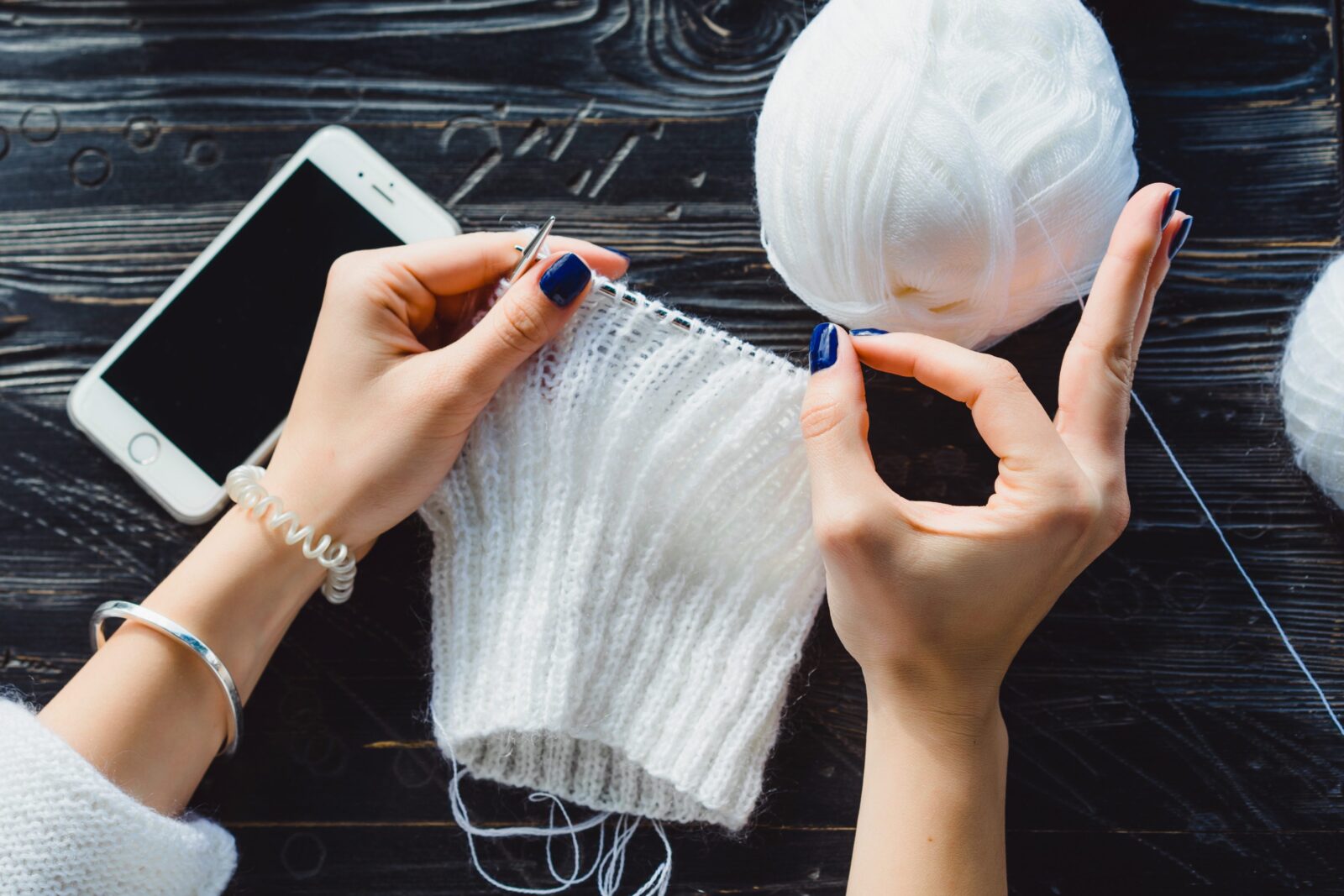
Yarn is converted into fabric using circular or flat knitting machines, creating different textures such as jersey, rib, or interlock.
Dyeing and Finishing
Fabric is dyed using eco-friendly processes and treated for shrinkage control, colorfastness, and softness.
Cutting and Stitching
Patterns are cut using automated systems and stitched by skilled operators to ensure precision.
Printing and Embroidery
Logos, designs, and branding elements are added through screen printing, sublimation, or embroidery.
Quality Control
Strict quality checks are conducted at every stage to meet international standards.
Packaging and Export
Finished garments are packed according to buyer specifications and shipped globally, especially to the USA.
Compliance and Certifications for USA Market
To export to the United States, manufacturers in Pakistan follow strict compliance standards, including:
- WRAP (Worldwide Responsible Accredited Production)
- BSCI (Business Social Compliance Initiative)
- OEKO-TEX certification
- ISO quality management systems
These certifications ensure ethical labor practices, environmental sustainability, and product safety—critical factors for USA brands.
Advantages of Sourcing Knitwear from Pakistan for USA Brands
Scalability
Pakistan’s large manufacturing base allows suppliers to handle both small and bulk orders efficiently, making it ideal for startups and large retailers alike.
Customization Options
Manufacturers offer extensive customization, including:
- Fabric composition
- GSM (fabric weight)
- Colors and dyeing techniques
- Private labeling and branding
- Custom packaging
Fast Turnaround Times
With improved logistics and production systems, Pakistani suppliers can meet tight deadlines required by USA fashion cycles.
Sustainability Initiatives
Many manufacturers are adopting eco-friendly practices such as:
- Organic cotton usage
- Water-saving dyeing techniques
- Solar energy in factories
- Recycling fabric waste
These initiatives align with the growing demand for sustainable fashion in the USA.
Challenges in Knitwear Manufacturing in Pakistan
Despite its strengths, the industry faces some challenges:
Energy Costs
High electricity and gas prices can increase production costs and affect competitiveness.
Global Competition
Countries like Bangladesh, Vietnam, and India offer strong competition in the knitwear market.
Economic Fluctuations
Currency volatility and inflation can impact pricing and profit margins.
Infrastructure Issues
Logistics and transportation delays can sometimes affect delivery schedules.
However, continuous government support and industry innovation are helping overcome these challenges.
Future of Knitwear Manufacturing in Pakistan
The future of knitwear manufacturing in Pakistan looks promising. The sector continues to grow due to:
- Increasing global demand for casual and athleisure wear
- Expansion into technical textiles
- Adoption of automation and digital technologies
- Rising focus on sustainability
Recent data shows a 19% increase in knitwear exports during FY 2024–25, highlighting strong growth momentum.
How USA Brands Can Choose the Right Manufacturer
When selecting a knitwear manufacturer in Pakistan, USA buyers should consider:
Experience and Reputation
Look for manufacturers with a proven track record in exporting to the USA.
Certifications
Ensure compliance with international quality and ethical standards.
Production Capacity
Choose a supplier that can handle your order volume and future growth.
Communication
Effective communication is crucial for smooth collaboration and timely delivery.
Sampling and Quality Assurance
Always request samples before placing bulk orders.
Conclusion
Knitwear manufacturing in Pakistan offers an unbeatable combination of quality, affordability, and scalability—making it an ideal sourcing destination for USA apparel brands. With a strong export infrastructure, skilled workforce, and commitment to innovation, Pakistan continues to strengthen its position in the global textile market.
For USA businesses looking to optimize production costs without compromising quality, partnering with Pakistani knitwear manufacturers is a strategic move. As the industry evolves with sustainability and technology, Pakistan is set to remain a key player in global knitwear manufacturing for years to come.