Every business that ships or presents a product eventually faces the same packaging decision — plastic or paper. Kraft boxes and plastic packaging represent two fundamentally different approaches, and the right choice depends on cost, sustainability, durability, and what kind of impression a business wants to create.
What Plastic Packaging Offers
Plastic packaging has been the default choice for decades because it is often inexpensive to produce, water-resistant, and capable of being molded into nearly any shape. For some product categories — particularly those requiring an airtight seal or specific moisture resistance — plastic remains a practical functional choice.
But the trade-offs have become increasingly difficult to ignore. A significant portion of plastic packaging is never properly recycled, and because plastic takes hundreds of years to break down, nearly all plastic ever produced still exists in some form on the planet today. For customers who care about environmental impact, plastic packaging increasingly signals the opposite of the values they want to support.
What Kraft Boxes Offer
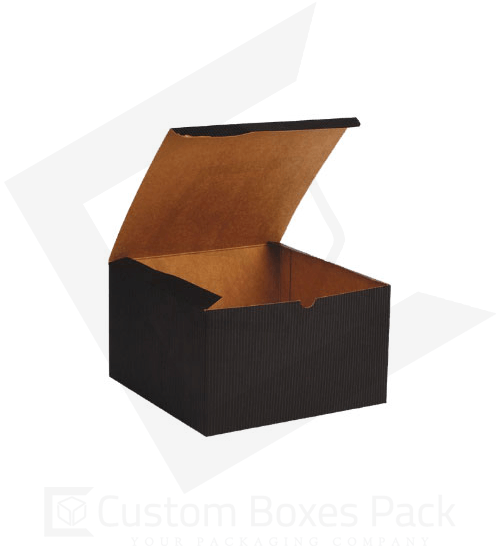
Kraft boxes address nearly every weakness plastic packaging carries. The material is biodegradable, recyclable, and produced through a process that requires significantly less chemical processing. It is also lightweight relative to its strength, which helps reduce shipping costs and the overall carbon footprint of transporting products.
Beyond the environmental advantages, kraft boxes offer strong customization potential — supporting everything from simple branded printing to elaborate foil stamping and embossing — while maintaining the natural, authentic aesthetic that many customers actively prefer over glossy plastic packaging.
Durability Comparison
Plastic packaging performs well against moisture and offers a degree of flexibility that rigid materials cannot match. However, plastic packaging can also be prone to cracking under certain conditions and does not always provide the same structural protection against crushing or compression that corrugated kraft boxes offer.
Corrugated kraft cardboard, with its fluted internal structure, is specifically engineered to withstand pressure, shock, and vibration during shipping — making it a strong choice for protecting products through long supply chains and multiple handling points. For products that need to survive rough handling more than they need waterproofing, kraft boxes generally hold up better.
Cost Comparison
Plastic packaging costs can vary significantly depending on the type and complexity of the molding required, and specialized plastic packaging can become quite expensive at lower volumes. Custom kraft boxes, by comparison, benefit from a production process that avoids costly bleaching and extensive chemical treatment, which helps keep costs more predictable and accessible — particularly for small and medium-sized businesses ordering in bulk.
The lightweight nature of kraft material also reduces shipping costs compared to heavier plastic packaging alternatives, creating compounding savings across high-volume shipping operations.
Branding and Customer Perception
This is where the comparison becomes particularly clear-cut for many businesses. Plastic packaging, while functional, often reads as generic or impersonal unless invested in heavily through custom molding and printing. Kraft boxes carry a built-in sense of craft and authenticity that resonates strongly with modern consumers, particularly those drawn to small, independent, or sustainability-focused brands.
Customer perception research consistently shows that sustainable packaging choices influence purchasing decisions and brand loyalty. Businesses that switch from plastic to kraft packaging frequently report positive customer feedback specifically referencing the change, along with the kind of repeat business that comes from customers who feel their values are reflected in the brands they support.
Environmental Impact Comparison
This comparison is the least ambiguous of them all. Plastic packaging, even when technically recyclable, faces significant real-world barriers to actually being recycled, and the material itself persists in the environment for centuries. Kraft boxes are biodegradable, widely recyclable in standard paper recycling streams, and can even be designed for full compostability when produced without plastic films or non-compostable laminates.
For businesses prioritizing genuine environmental responsibility — not just the appearance of it — kraft boxes offer a meaningfully smaller environmental footprint across the entire product lifecycle, from production through disposal.
When Plastic Might Still Make Sense
There are specific situations where plastic packaging remains the more practical choice — particularly for products requiring airtight moisture barriers, certain liquid products, or items that must withstand prolonged exposure to water. In these cases, a hybrid approach, using kraft boxes with a minimal protective lining only where strictly necessary, can balance functional requirements with sustainability goals.
Which Option Is Right for Your Business?
For most consumer products — food, cosmetics, jewelry, apparel, gifts, and general e-commerce shipments — kraft boxes offer a stronger overall combination of cost-effectiveness, durability, branding potential, and environmental responsibility than standard plastic packaging. Plastic remains the right choice only in the narrower set of cases where moisture resistance is a strict functional requirement that kraft material cannot meet on its own.
Conclusion
Plastic packaging offers certain narrow functional advantages, but kraft boxes outperform it across nearly every other factor that matters to modern businesses and customers — cost, durability, branding potential, and especially environmental impact. For any business evaluating its packaging strategy in 2026, the case for choosing kraft boxes over plastic packaging is, for the vast majority of products, a clear and compelling one.