Have you ever wondered how modern workshops are producing such incredibly precise furniture and joinery? What’s behind the surge in productivity that’s transforming woodworking businesses across Australia? And how can you stay competitive in an industry that’s evolving faster than ever before?
The woodworking machines industry is experiencing a remarkable transformation. Gone are the days when skilled craftsmanship alone determined success. Today, cutting-edge machinery is revolutionising how we approach everything from simple cuts to complex joinery. Whether you’re running a small workshop in Melbourne or managing a large scale production facility in Brisbane, understanding these innovations is essential for staying ahead.
In this post, we’ll explore the latest advancements in woodworking machines that are reshaping the industry. You’ll discover how CNC routers have become smarter, why enabled machines are changing workshop management, and what features matter most when investing in new equipment. Plus, we’ll tackle common pain points that modern machinery can solve and help you make informed decisions about future proofing your business.
What Are the Latest Innovations in Woodworking Machines?
CNC Router Advancements for Enhanced Precision
CNC routers have come a long way from their early iterations. Today’s Woodworking machines offer extraordinary accuracy, often achieving tolerances within fractions of a millimetre. This level of precision was virtually impossible with manual methods just a decade ago.
Modern CNC routers feature improved spindle technology, delivering smoother cuts and longer tool life. Many now include automatic tool changers, allowing complex projects to progress without manual intervention. The software driving these machines has also evolved, making programming more intuitive for operators at all skill levels.
What’s particularly exciting is the integration of AI-assisted toolpath optimisation. These systems analyse your design and automatically select the most efficient cutting strategy, reducing material waste and machining time simultaneously.
Smart Automation and IoT-Enabled Woodworking Machines
The Internet of Things has arrived in woodworking machines workshops, and it’s making a genuine difference. IoT-enabled machines can communicate with each other, share data, and even alert you to potential issues before they cause downtime.
Imagine receiving a notification on your phone that a machine needs maintenance, complete with diagnostics and recommended actions. This isn’t science fiction it’s happening right now in workshops across Australia. These smart systems track everything from spindle hours to energy consumption.
Remote monitoring capabilities mean you can check production progress from anywhere. For business owners juggling multiple responsibilities, this connectivity offers peace of mind and better control over operations.
Laser Guided Cutting Systems
Laser guidance has transformed cutting accuracy in woodworking machines. These systems project precise cutting lines onto your workpiece, eliminating guesswork and reducing measurement errors significantly.
Panel saws and sliding table saws now commonly feature integrated laser guides. The technology helps operators position materials exactly where they need to be, speeding up workflow while improving cut quality. Some advanced systems even adjust automatically based on blade thickness and material type.
Dust Extraction and Safety Innovations
Health and safety have become central concerns in modern workshop design. New dust extraction systems are more efficient and quieter than ever, capturing particles at the source before they can spread.
Automatic dust extraction that activates when Woodworking machines start running is now standard on many models. Beyond dust, safety innovations include improved guarding systems, emergency stops with faster response times, and sensors that detect hands approaching dangerous zones.
How Do Modern Woodworking Machines Improve Productivity?
Faster Processing Speeds Without Sacrificing Quality
Speed matters in any production environment, but not at the expense of quality. Modern machines have cracked this challenge through improved motor technology and smarter feed systems.
High-speed spindles combined with advanced cutting tools allow faster material removal rates. Meanwhile, vibration dampening systems ensure these speeds don’t compromise surface finish quality. The result? More pieces completed per hour without any drop in standards.
Reduced Setup Times and Changeover Efficiency
Time spent setting up machines is time not spent producing. Manufacturers have recognised this, designing equipment with quick change tooling and digital presets that dramatically cut setup times.
Memory functions store frequently used settings, allowing operators to recall them instantly. Tool-free adjustments and modular components make changeovers between different jobs faster and simpler.
Multi-Function Woodworking Machines for Streamlined Workflows
Space is often limited in Australian workshops. Multi-function machines address this by combining several operations into a single unit. A machine that can cut, drill, and edge in one setup eliminates handling between stations.
These combination machines reduce floor space requirements while improving workflow efficiency. They’re particularly valuable for smaller operations looking to expand capabilities without expanding their premises.
What Should I Look for When Buying a Woodworking Machines?
Key Features for Professional Workshops
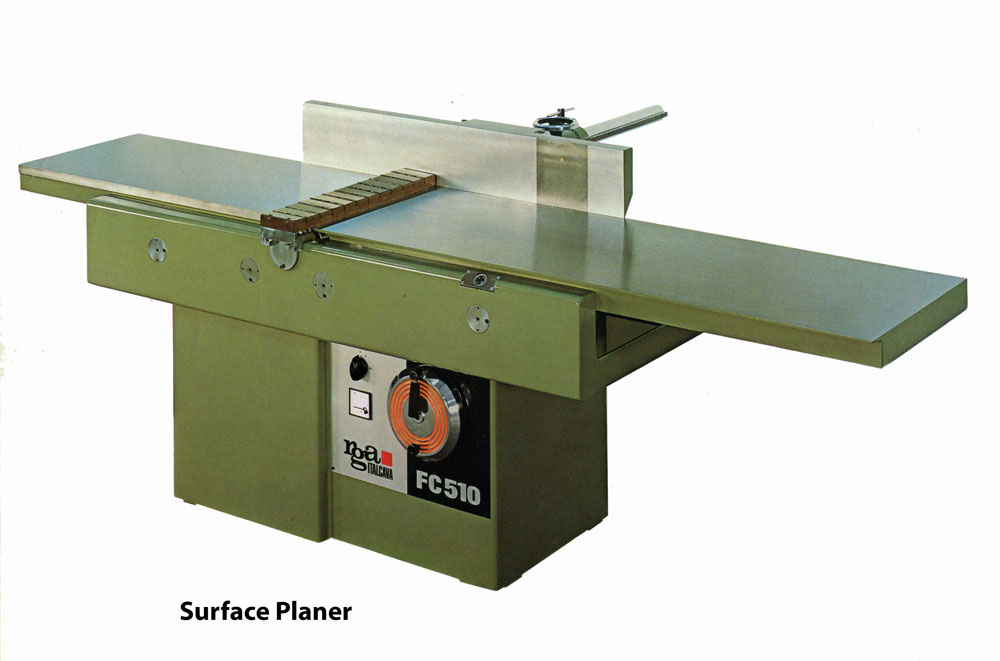
Professional environments demand reliability, precision, and durability. Look for machines built with quality components from reputable manufacturers. Cast iron tables, hardened steel guides, and industrial grade motors indicate serious construction.
Consider the machine’s maximum capacity and whether it matches your typical workload. Don’t forget about service and support having access to spare parts and technical assistance locally makes a significant difference.
Budget Considerations for Small Business Owner
Balancing capability with cost is always challenging. Focus on features you’ll actually use rather than impressive specifications that exceed your needs. Entry-level machines from established brands often outperform budget options from unknown manufacturers.
Factor in running costs, maintenance requirements, and potential financing options. Sometimes spending more upfront saves money over the machine’s lifetime through lower operating costs and better reliability.
Energy Efficiency and Running Costs
Energy-efficient motors and smart power management systems can substantially reduce electricity bills. Look for machines with variable speed drives that adjust power consumption based on actual demand.
LED lighting, efficient dust extraction motors, and standby modes all contribute to lower operating costs. These savings add up considerably over years of operation.
Are CNC Machines Worth the Investment for Small Workshops?
Cost vs. Return on Investment Analysis
The initial outlay for CNC equipment can seem daunting for smaller operations. However, calculating return on investment reveals a different picture when you factor in labour savings, reduced waste, and increased output capacity
Many workshops find that CNC machines pay for themselves within two to three years through improved efficiency alone. The ability to take on more complex projects and charge accordingly accelerates this return further.
Entry-Level CNC Options for Growing Businesses
Fortunately, the CNC market now includes genuinely capable entry-level machines. These units offer excellent precision at price points accessible to growing businesses. They’re perfect for testing CNC capabilities before committing to larger investments.
Many entry-level machines can be upgraded as your needs expand, protecting your initial investment while allowing growth.
Which Woodworking Machines Offer the Best Precision?
Panel Saws with Digital Measurement Systems
Digital readouts and electronic measurement systems have transformed panel saw accuracy. These systems eliminate reading errors and provide repeatable results across production runs.
Automatic blade height adjustment and scoring systems ensure clean cuts in laminated materials every time.
Edge Banders with Automatic Adjustments
Modern edge banders automatically adjust to different material thicknesses and edge tape specifications. Sensors detect workpiece dimensions and configure the machine accordingly, ensuring perfect results without manual setup.
Precision Joinery Machines
Dedicated joinery machines now achieve remarkable accuracy in mortise and tenon work, dowelling, and other connections. CNC-controlled joinery centres can produce complex joints that would challenge even experienced craftspeople.
How Is Technology Changing the Woodworking Machines Industry?
Software Integration and Design-to-Production Workflows
Seamless integration between design software and production machinery is revolutionising workflows. Designs move directly from CAD programs to CNC machines, eliminating translation errors and reducing lead times.
Remote Monitoring and Predictive Maintenance
Predictive maintenance systems analyse machine performance data to forecast potential failures. This approach prevents unexpected breakdowns and optimises maintenance scheduling.
Sustainable Manufacturing Practices
Technology enables better material utilisation through optimised nesting software and reduced waste. Energy monitoring helps workshops identify and address inefficiencies.
Common Pain Points Solved by Modern Machinery
Modern equipment addresses material waste through intelligent cutting optimisation. Automation helps overcome skilled labour shortages by making complex tasks achievable with less specialised training. Consistent quality and faster production help workshops meet tight deadlines reliably.
Choosing the Right Machinery Supplier in Australia
Selecting the right supplier matters as much as choosing the right machine. Look for established suppliers offering comprehensive support, training, and readily available spare parts. Local service capability ensures minimal downtime when issues arise.
Conclusion
The innovations we’ve explored represent genuine opportunities to improve your woodworking machines business. From CNC precision to IoT connectivity, these technologies aren’t just impressive they’re practical solutions to real challenges.
Investing in modern machinery isn’t simply about keeping up with competitors. It’s about positioning your workshop for sustainable growth, better profitability, and improved working conditions. The return on investment from these technologies continues improving as prices decrease and capabilities expand.
Whether you’re considering your first CNC machine or upgrading your entire workshop, now is an excellent time to embrace these innovations. Take the time to research your options, speak with suppliers, and visit other workshops using this technology. Your future self and your business will thank you for it.