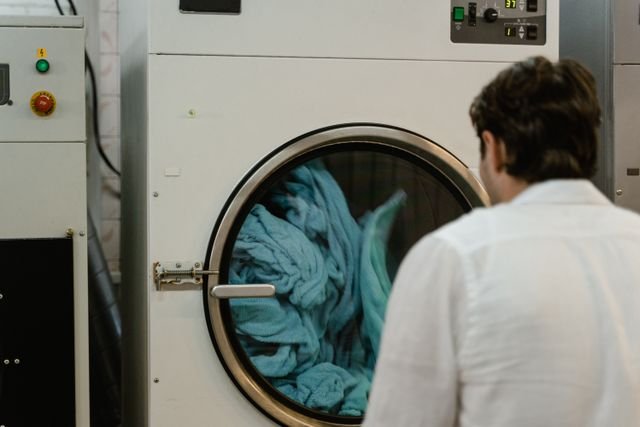
A wedding day may last only a few hours, but the laundry work behind it can continue long after the guests leave. Tablecloths, napkins, chair covers, towels, staff uniforms, and other washable items need attention before the venue is ready for its next event.
For wedding venues and event spaces in Chicago, poor laundry planning can create unnecessary stress. A delayed linen delivery, a shortage of clean napkins, or stains left untreated after a reception can affect the next booking and create extra work for the team.
The solution is to treat laundry as an essential part of event operations rather than a task to handle at the last minute. With a clear inventory system, a reliable cleaning schedule, proper stain handling, and support from a professional laundry provider, venues can keep their linens organized and ready for upcoming events.
This guide covers practical laundry management tips for wedding venues, banquet halls, event planners, and other businesses that regularly handle large quantities of linens and towels.
Why Laundry Management Matters for Wedding Venues
Wedding venues often host several types of events, including ceremonies, receptions, engagement parties, corporate gatherings, and private celebrations. Each event may require a different combination of table linens, napkins, chair covers, towels, and staff clothing.
These items can become dirty quickly. Food spills, wine, makeup, candle wax, and body oils may leave marks that require attention. Without a reliable cleaning routine, used items can pile up and reduce the supply available for the next booking.
Effective laundry management helps venues:
-
Maintain a clean and professional appearance.
-
Keep enough tablecloths and napkins available for every event.
-
Reduce the risk of stains becoming permanent.
-
Avoid unnecessary emergency laundry expenses.
-
Organize storage areas and linen inventory.
-
Prepare rooms faster between bookings.
-
Give staff a clear process to follow after each event.
A well planned laundry routine also helps event managers coordinate cleaning with room setup, catering, decoration removal, and other post event responsibilities.
1. Create a Linen Inventory for Every Event
The first step is knowing exactly how many linens your venue owns and how many are needed for each booking.
Start by listing the items your venue uses regularly. This may include round tablecloths, rectangular tablecloths, cocktail table covers, cloth napkins, chair covers, runners, kitchen towels, and cleaning cloths.
Record the quantity, size, color, and condition of each item. If your venue offers different table arrangements, create separate inventory requirements for each setup.
For example, a reception with 150 guests may require tablecloths, napkins, and additional kitchen linens. A smaller corporate event may need fewer dining linens but more towels for its preparation area.
Do not rely on memory when planning supplies. A simple spreadsheet can help your team track what is clean, what is being used, what needs repair, and what has been sent for cleaning.
Review the inventory after large events and update the records when items are damaged, stained beyond use, or replaced.
2. Set Linen Par Levels to Prevent Shortages
A linen par level is the quantity of an item your venue needs to operate comfortably without running short during normal cleaning cycles.
Keeping only enough linens for one event can create problems. If the next booking begins before the used linens have been cleaned and returned, your team may have to find replacements at short notice.
Many venues benefit from maintaining several sets of frequently used items. The right quantity depends on event frequency, laundry turnaround, storage space, and the number of guests served.
Consider these three groups when calculating your requirements:
Clean inventory: Items ready for the next event.
In use inventory: Items currently assigned to an event or being used by staff.
Laundry inventory: Items waiting for collection, cleaning, or return.
For example, if a venue regularly needs 100 tablecloths for a full event, it should not plan operations around having exactly 100 available. It needs enough additional stock to cover the cleaning cycle and unexpected demand.
Review your par levels during busy wedding seasons. Weekend bookings, holiday celebrations, and back to back events may require more supplies than quieter periods.
3. Separate Used Linens Immediately After Each Event
After a wedding or reception, collect used linens as part of the closing procedure. Leaving them scattered around the venue makes it harder to estimate quantities, identify stains, and prepare for the next booking.
Use separate, clearly identified containers for different categories of laundry.
For example, keep tablecloths and napkins separate from kitchen towels, cleaning cloths, and staff uniforms. Delicate or specially treated items should also be identified so they are not mixed into an unsuitable wash.
Avoid leaving damp linens in sealed bags for extended periods. Moisture can contribute to unpleasant odors and make storage conditions less suitable.
Your team should also know where used laundry belongs and who is responsible for moving it to the collection area.
A consistent system reduces confusion during busy event changeovers and makes it easier to prepare the next room setup.
4. Treat Stains as Soon as Possible
Wedding receptions can produce a wide range of stains. Red wine, sauces, coffee, makeup, grease, and candle wax may all end up on tablecloths or napkins.
The longer certain stains remain untreated, the more difficult they may become to remove. However, aggressive treatment can also damage the fabric or make the problem worse.
Train staff to follow a simple procedure.
First, identify the affected item and record the stain location. Remove solid food carefully without spreading it across the fabric. For suitable fresh spills, gently blot the area rather than rubbing it.
Avoid applying bleach, strong chemicals, or untested stain removers. Different fabrics and dyes respond differently to cleaning products. Some treatments can cause fading or permanently set a stain.
Keep heavily stained items separate and tell your laundry provider what caused the mark, if known. This gives the cleaning team useful information when selecting an appropriate treatment.
For candle wax or delicate decorative fabrics, avoid scraping aggressively or applying direct heat without knowing whether the method is suitable.
A clear stain handling policy helps staff respond consistently instead of improvising after every event.
5. Build a Laundry Schedule Around Your Event Calendar
Laundry planning should begin before the event takes place.
Review your booking calendar each week and identify events that require large quantities of linens. Check the number of guests, table arrangements, special requirements, and the time available between bookings.
Then work backward from the next event.
If a wedding ends on Saturday night and another reception is scheduled for Sunday afternoon, you may have limited time to collect, clean, dry, inspect, and return all the necessary items.
Do not assume that every laundry order can be completed immediately. Confirm the collection schedule and expected turnaround with your provider.
A useful planning routine includes:
-
Reviewing upcoming events every week.
-
Checking clean linen quantities before each booking.
-
Arranging collection after major events.
-
Confirming expected return dates.
-
Keeping reserve linens for unexpected demand.
-
Checking all returned items before storing them.
For venues with frequent bookings, a recurring laundry arrangement may be more practical than arranging service separately after every event.
6. Work With a Professional Laundry Service
Handling every tablecloth, napkin, towel, and uniform in house can put pressure on staff, equipment, storage areas, and event schedules.
A professional laundry provider can help venues manage regular cleaning needs and larger laundry volumes. This is especially useful when several events take place within a short period.
When choosing a Chicago Laundry Service, look for a provider that understands commercial laundry requirements and can discuss your expected volumes, collection frequency, fabric types, and turnaround needs.
Ask these questions before making an arrangement:
-
Can the provider handle your typical laundry volume?
-
Does it offer pickup and delivery for your location?
-
How are large linens and heavily stained items handled?
-
Can collection schedules be planned around event dates?
-
What are the prices for different items or laundry loads?
-
How are damaged or missing items reported?
-
What should your team do with delicate or specially treated fabrics?
Laundry Gopher provides commercial laundry pickup and delivery for businesses in the Chicago area. Its services include linen care, wash and fold, and dry cleaning for suitable items.
Wedding venues can review the commercial laundry pickup and delivery service to discuss their operational requirements.
7. Check Linens When They Return From Cleaning
Receiving clean laundry is not the final step. Your team should inspect returned items before placing them into storage or assigning them to an event.
Check for visible stains, unpleasant odors, damaged seams, missing buttons, tears, and other issues that could affect presentation.
Separate items that need further attention rather than returning them to the clean inventory.
It is also useful to count returned items against the original collection record. This makes it easier to identify shortages before the next event begins.
Store clean linens in a dry, organized area away from used laundry, food preparation waste, and cleaning chemicals.
Keep frequently used sizes and colors easy to reach. Label shelves or storage containers so staff can quickly find the items needed for each room setup.
A simple inspection routine helps protect your inventory and reduces the chance of discovering a problem when guests are already arriving.
8. Train Staff to Follow the Same Laundry Procedure
Laundry management becomes difficult when every employee handles used linens differently.
Create a short written procedure that explains what staff should collect, how items should be separated, where they should be stored, how stains should be reported, and who should arrange collection.
Include the process in staff onboarding and review it before busy wedding seasons.
Assign clear responsibilities. For example, one employee may count used linens, another may record stains and damage, and a manager may confirm the laundry collection schedule.
The exact roles depend on the size of your venue. The important point is that everyone understands the process.
Consistent procedures reduce missed items, improve communication, and make it easier for new employees to follow the venue’s standards.
9. Track Laundry Costs and Replace Items at the Right Time
Laundry expenses include more than the cleaning bill. Venues may also spend money on detergent, equipment maintenance, staff time, water, energy, stain treatment, and replacement linens.
Track these costs to understand how laundry affects your event budget.
Useful measurements include:
-
Laundry spending per event.
-
Number of items processed each month.
-
Frequency of damaged or missing linens.
-
Cost of replacing tablecloths and napkins.
-
Number of emergency laundry orders.
-
Average time between collection and return.
If costs rise, investigate the cause before changing your process. You may be ordering emergency service too often, holding too little reserve stock, or replacing linens that could have been maintained more carefully.
Compare service prices and ask about volume based arrangements when appropriate. Laundry Gopher publishes its standard service rates on its laundry pricing page. Contact the team for guidance on pricing suitable for your business requirements.
10. Prepare a Backup Plan for Busy Wedding Seasons
Even a well organized laundry schedule can face unexpected problems. An event may run late, a stain may require extra treatment, or more linens may be needed than originally planned.
A backup plan helps your venue respond without disrupting the next booking.
Keep reserve stock of high demand items, especially white tablecloths, standard napkins, and other linens used at most events.
Identify which items are essential for each event and which can be replaced with an acceptable alternative if necessary.
Maintain contact details for your laundry provider and confirm how to communicate urgent requests. Do not assume that emergency collection or next day service will always be available.
Review your backup plan after major events. If the same shortage happens repeatedly, adjust your inventory or collection schedule instead of treating it as a one time problem.
Frequently Asked Questions
How much linen inventory should a wedding venue keep?
The right amount depends on guest capacity, event frequency, cleaning turnaround, storage space, and the variety of linens used. Start with the quantities required for your largest regular event, then calculate additional stock to cover items being cleaned or held in reserve.
How often should wedding linens be cleaned?
Tablecloths, napkins, and other linens used during an event should generally be collected for cleaning after use. Towels and kitchen linens may need more frequent changes depending on their purpose and level of soiling.
Can a professional laundry service handle large quantities of tablecloths?
Commercial laundry providers may be able to handle large linen volumes, but capacity and scheduling vary. Discuss your average order size, fabric types, collection frequency, and busiest dates before agreeing on a service arrangement.
What should staff do with stained tablecloths?
Staff should identify the stain, remove solid residue carefully, and avoid aggressive rubbing or untested cleaning products. Keep the item separate when needed and tell the laundry provider what caused the stain.
How can a venue reduce laundry expenses?
Maintain accurate inventory, plan collections around bookings, avoid unnecessary emergency orders, train staff to handle linens correctly, and track cleaning and replacement costs. Compare service options based on the total cost and reliability, not price alone.
Conclusion: Keep Every Event Ready With Better Laundry Management
Wedding venues and event spaces depend on clean, presentable linens to create the right experience for their guests. Without a clear laundry process, even a well planned event can lead to shortages, damaged items, and unnecessary expenses.
Start with an accurate inventory, maintain suitable reserve stock, collect used linens promptly, treat stains carefully, and schedule cleaning around your event calendar. Inspect returned items and train staff to follow the same procedures every time.
If your venue needs help managing tablecloths, napkins, towels, uniforms, or other suitable washable items, Laundry Gopher can discuss commercial laundry options for your business.
Contact Laundry Gopher to ask about pickup and delivery arrangements and how the service may fit your event schedule.
Laundry Gopher
Address: 3856 N Kedzie Ave, Chicago, IL 60618, United States
Phone: 773 217 0847
Email: support@laundrygopher.com