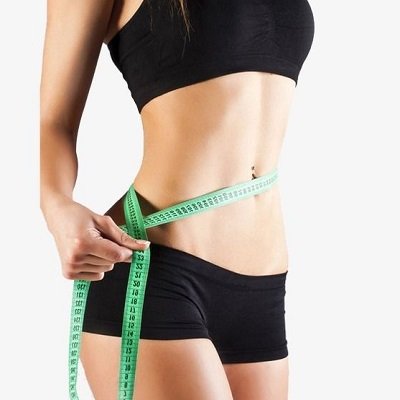
Liposuction Surgery is a popular cosmetic procedure designed to remove stubborn pockets of excess fat from specific areas of the body. While many people associate liposuction with dramatic before-and-after photographs, the actual process involves much more than the final appearance. Understanding what happens before surgery, what recovery feels like, and when results become visible can help people develop realistic expectations.
Liposuction Surgery is generally considered a body-contouring procedure rather than a weight-loss treatment. It can help improve body proportions when localized fat deposits do not respond as expected to diet and exercise. The outcome depends on several factors, including the amount of fat removed, the treatment area, skin elasticity, overall health, and adherence to postoperative instructions.
What Is Liposuction Surgery?
Liposuction Surgery, also called lipoplasty or body contouring, involves removing excess fat cells from selected areas of the body. Common treatment areas include the abdomen, thighs, hips, buttocks, arms, back, chin, and waist.
During the procedure, a surgeon typically makes small incisions and uses a thin tube called a cannula to loosen and remove fat. Different techniques may be used depending on the treatment area and individual circumstances.
The goal is usually not to remove as much fat as possible. Instead, the procedure aims to create smoother contours and better body proportions while maintaining a natural appearance.
It is important to understand that liposuction does not prevent future weight gain. Remaining fat cells can still enlarge if a person gains weight after surgery. Maintaining a stable weight, following a balanced diet, and staying physically active can help preserve the results.
Liposuction Surgery Before: What Should Patients Expect?
The preparation stage is an important part of the overall experience. Before Liposuction Surgery, an individual generally has a consultation and health assessment to determine whether the procedure is appropriate.
During this stage, the surgeon may discuss the person’s medical history, medications, previous procedures, allergies, lifestyle, and expectations. The areas being considered for treatment are also assessed.
Photographs and measurements may be taken to help with surgical planning and later comparison. This is also the right time to discuss questions about anesthesia, recovery, possible risks, scars, and expected results.
Depending on the person’s health and the planned procedure, certain medications or supplements may need to be adjusted before surgery. Smoking can also affect healing, so patients may receive specific instructions regarding smoking and nicotine use.
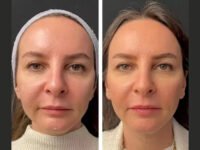
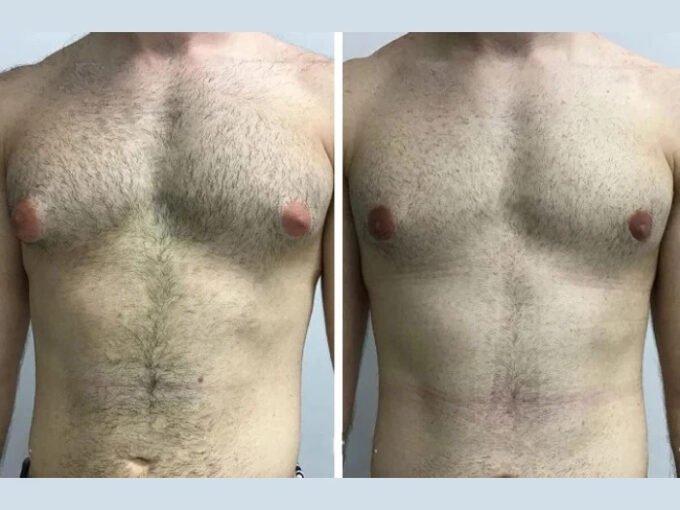
Realistic expectations are especially important. Before-and-after photographs can provide useful examples, but results vary considerably from one person to another. A photograph showing an impressive result does not guarantee that another person will achieve exactly the same appearance.
What Happens During Liposuction?
The exact process depends on the treatment area, amount of fat being removed, technique used, and type of anesthesia.
Generally, the surgeon marks the areas to be treated before the procedure. Small incisions are then made, and a cannula is inserted through these openings. The cannula is moved carefully through the fatty tissue to loosen and remove unwanted fat.
The procedure can take different amounts of time depending on how many areas are being treated and the complexity of the surgery. Some procedures may be performed on an outpatient basis, while more extensive treatment may require additional monitoring.
Liposuction is performed with the intention of improving contours rather than simply reducing body weight. Consequently, the scale may not show a dramatic difference even when the treated areas look noticeably more defined.
Safety is another important consideration. Like any surgical procedure, liposuction can involve risks such as infection, bleeding, fluid accumulation, changes in sensation, contour irregularities, and reactions to anesthesia. A qualified medical professional can explain the individual risks before treatment.
Liposuction Surgery After: The First Few Days
The immediate recovery period is often quite different from the final before-and-after appearance. Swelling, bruising, tenderness, and temporary numbness can occur after surgery.
Patients may be instructed to wear a compression garment. These garments can help support the treated areas and may reduce swelling while the body heals. The duration of use varies according to the procedure and the surgeon’s instructions.
Discomfort is also common during the early recovery period. Medication may be recommended to control pain, but patients should follow the specific instructions provided by their medical team rather than self-medicating.
Light movement may be encouraged relatively soon after surgery because prolonged inactivity can increase certain complications. However, strenuous exercise, heavy lifting, and other demanding activities usually need to be avoided until the treating professional considers them appropriate.
Patients should also expect that the treated area may initially look worse before it looks better. Swelling can temporarily obscure the contour changes created during surgery. This is one reason why immediate postoperative photographs should not be compared directly with long-term results.
When Do Liposuction Results Become Visible?
One of the most common questions about Liposuction Surgery is how soon the final results can be seen.
Some improvement may be noticeable after the initial swelling starts to decrease, but the body continues to heal for weeks or months. Swelling can gradually subside, while tissues settle into their new contours.
The final appearance can therefore take time to develop. The timeline varies according to the amount of fat removed, the treatment area, individual healing patterns, skin elasticity, and whether multiple areas were treated.
During the early stages, uneven swelling can also make one side appear different from the other. Temporary irregularities do not necessarily mean that the final result will be uneven.
For this reason, patience is an important part of recovery. Comparing photographs taken at similar stages of healing can provide a more meaningful assessment than checking the appearance every day.
What Affects Liposuction Before-and-After Results?
Several factors influence the appearance achieved after Liposuction Surgery.
Skin elasticity: Skin that has good elasticity may contract more effectively after fat removal. When skin elasticity is limited, some looseness may remain even after excess fat has been removed.
Amount of fat removed: More fat removal does not automatically mean a better outcome. The procedure is generally planned around creating balanced contours.
Treatment area: Different body areas respond differently. The abdomen, thighs, arms, chin, and other regions have different anatomical characteristics.
Weight stability: Maintaining a relatively stable weight after surgery can help preserve the body contours achieved through treatment.
Healing: Individual healing varies. Swelling, bruising, and tissue changes can take different amounts of time to resolve.
Lifestyle: Regular physical activity and nutritious eating habits can support long-term results, although they cannot replace the surgical procedure itself.
Another important factor is the quality of the preoperative plan. Good communication about the desired outcome can help ensure that expectations are realistic and that treatment is focused on appropriate areas.
How to Maintain Results After Liposuction Surgery
Liposuction removes fat cells from targeted areas, but it does not make a person immune to future weight gain. The remaining fat cells can increase in size if excess calories are consistently stored by the body.
A sustainable approach to maintaining results includes balanced nutrition, regular physical activity, adequate hydration, and healthy lifestyle habits. Extreme dieting is generally not necessary simply because someone has undergone liposuction.
Once the treating professional gives clearance for exercise, activity can gradually return. Walking may be introduced earlier, while more strenuous workouts may require additional recovery time.
It is also helpful to think of Liposuction Surgery as one part of a broader body-contouring plan. Healthy habits can support the longevity of the result and overall wellbeing.
FAQs About Liposuction Surgery
1. Is Liposuction Surgery a weight-loss procedure?
No. Liposuction is primarily a body-contouring procedure. It is intended to remove localized deposits of fat and improve body shape rather than treat obesity or replace a healthy weight-management program.
2. How long does it take to see results after liposuction?
Some contour changes may become visible as early swelling begins to decrease, but the final result can take several weeks or months. Healing varies between individuals, so the appearance immediately after surgery should not be considered the final outcome.
3. Is swelling normal after Liposuction Surgery?
Yes. Swelling and bruising are common during recovery. Swelling can temporarily make the treated area appear larger or uneven. It generally improves gradually as healing progresses.
4. Can fat come back after liposuction?
The fat cells removed during liposuction are permanently removed. However, the remaining fat cells can enlarge with significant weight gain. Maintaining a stable weight and healthy lifestyle can help preserve the results.
5. Does liposuction leave scars?
Liposuction usually requires small incisions, which can leave small scars. Their eventual appearance depends on factors such as the incision location, individual healing, and skin characteristics. A surgeon can explain where incisions are likely to be placed.
6. How long is recovery after Liposuction Surgery?
Recovery varies depending on the treatment area, extent of surgery, general health, and individual healing. Many people gradually return to normal activities while swelling continues to improve. Strenuous activities may need to be postponed until the treating professional provides clearance.
Liposuction Surgery can create meaningful changes in body contours when it is performed for appropriate reasons and with realistic expectations. The most important point to remember is that the before-and-after process does not happen overnight. Preparation, surgery, early recovery, gradual reduction in swelling, and long-term lifestyle habits all contribute to the eventual appearance.
Anyone considering liposuction should have an individualized consultation with a qualified medical professional. A proper assessment can determine whether the procedure is suitable, explain potential risks, discuss realistic results, and provide personalized recovery instructions.
Read More About Liposuction Surgery: https://linkmate.mn.co/posts/liposuction-surgery-recovery-a-week-by-week-guide