A truck leaves the warehouse two minutes late. A driver takes a detour around traffic nobody predicted. A customer changes their delivery address after the package is already out for delivery. None of this is unusual — it’s just Tuesday for most logistics operations. The difference between a company that absorbs these moments smoothly and one that scrambles every time usually comes down to the software running underneath.
That’s the whole premise behind real-time logistics platforms. Not flashy dashboards. Systems that actually know what’s happening right now, not what was happening twenty minutes ago when the last data sync ran.
Why “Real-Time” Isn’t Just a Buzzword Here
Traditional logistics software was built around batch updates — routes planned the night before, inventory counts refreshed once a shift, delivery windows locked in early and rarely revisited. That worked fine when customer expectations were looser and fuel costs weren’t swinging as hard as they do now.
It doesn’t work anymore. Customers want live tracking down to the minute. Dispatchers need to reroute a driver the moment a road closes, not after the delivery’s already late. Warehouse teams need inventory numbers that reflect what’s actually on the shelf right now, not what a report said at 6 a.m.
Logistics Software Development built for this world treats real-time data as the default, not an add-on feature bolted onto an older system.

Live route data only matters if it reaches the driver and the dispatcher at the same moment — that synchronization is the hard part.
What Real-Time Logistics Platforms Actually Need to Do
Live Fleet and Shipment Tracking
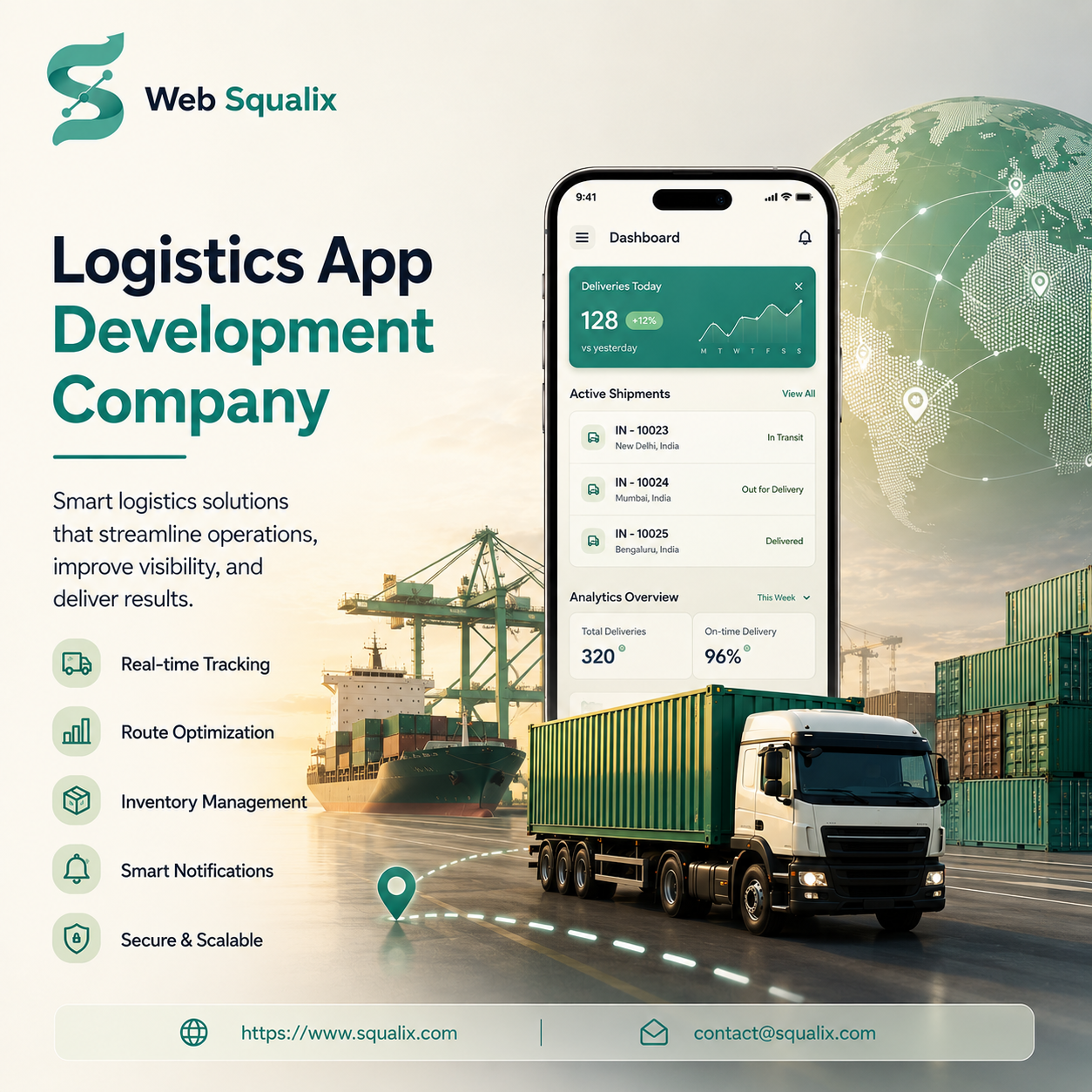
GPS data streaming continuously rather than pinging every few minutes, so dispatchers see where a vehicle actually is instead of where it was a while ago. This sounds simple until you’re handling hundreds of vehicles at once without the system lagging under the load.
Dynamic Route Optimization
Routes that adjust mid-trip based on traffic, weather, or new pickup requests, rather than sticking rigidly to a plan made hours earlier. Good route optimization engines weigh multiple variables at once — fuel cost, delivery windows, driver hours — and recalculate fast enough that the update is actually useful before the moment passes.
Warehouse and Inventory Synchronization
Inventory counts that update the instant something is picked, packed, or received, connected directly to the systems making fulfillment decisions. A ten-minute lag here is enough to promise a customer something that’s already sold out.
Automated Dispatch and Load Matching
Systems that match available drivers or carriers to shipments automatically based on location, capacity, and timing, cutting down the manual coordination that used to eat up a dispatcher’s entire day.
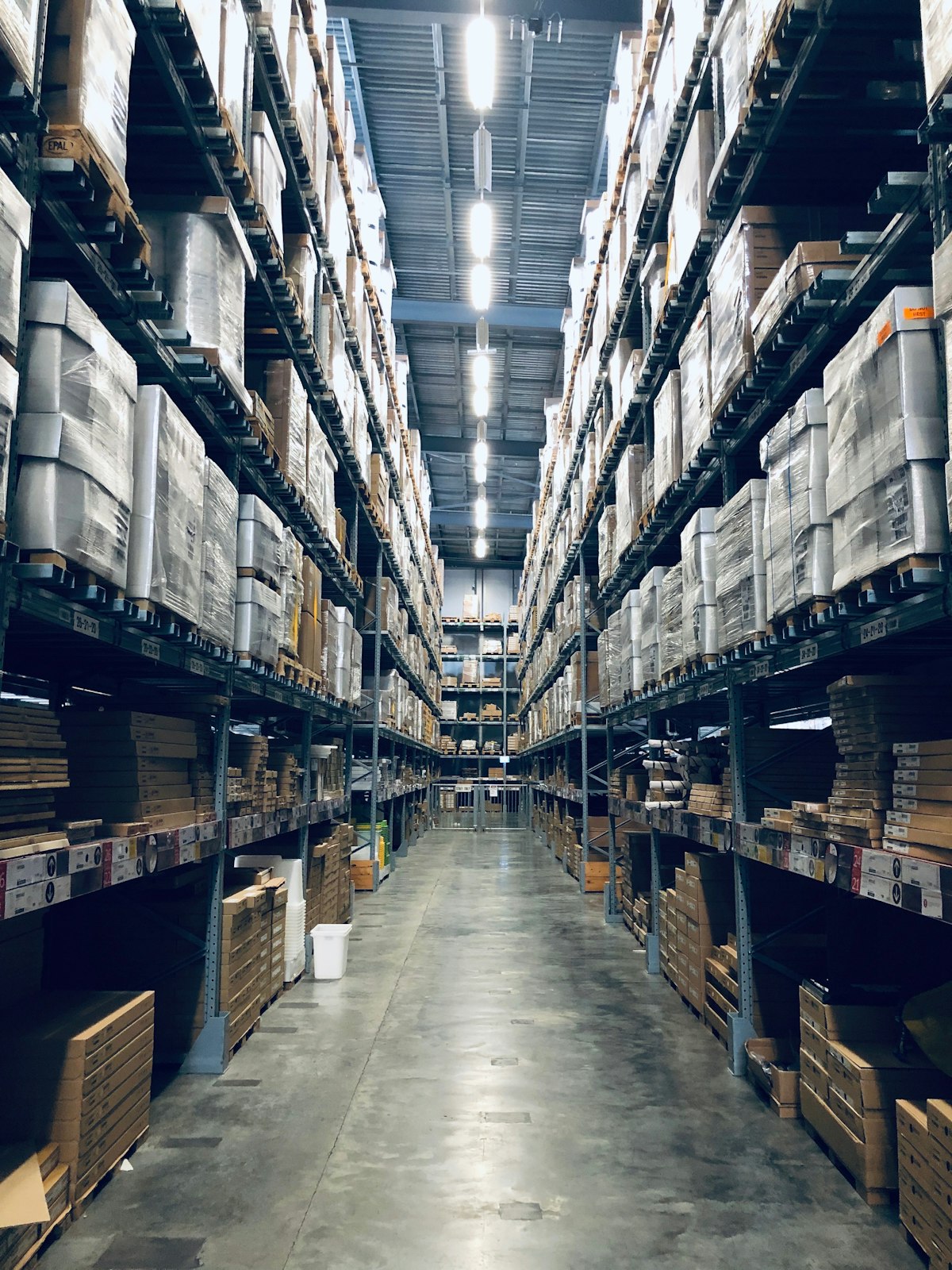
Inventory accuracy at the warehouse floor is what makes every downstream promise to a customer actually true.
Predictive ETAs
Delivery estimates that recalculate as conditions change, instead of a static window given at checkout and never revisited. Customers have gotten used to this from ride-hailing apps, and they expect the same precision from package deliveries now.
API Integrations Across the Supply Chain
Logistics rarely happens in one system. Real-time platforms need to talk to carriers, customs systems, warehouse management tools, and e-commerce platforms simultaneously, which means building for interoperability rather than treating integrations as an afterthought.
Exception Handling and Alerts
Automated flags when something goes off-plan — a delayed shipment, a temperature excursion in cold chain logistics, a failed delivery attempt — routed to the right person immediately instead of surfacing in a report the next morning.
The Backend Reality Behind Real-Time Systems
Making all of this actually work in production usually comes down to architecture choices most customers never see. A Node.js backend paired with a flexible database layer like MongoDB tends to handle the high-frequency, semi-structured data logistics generates well — GPS pings, status updates, exception events — without forcing every data point into a rigid schema that slows things down.
Message queues and event-driven architecture matter here too. When a shipment status changes, that update needs to propagate to the dispatcher’s dashboard, the customer’s tracking page, and the warehouse system at roughly the same moment, not in whatever order a slower polling cycle happens to check each one.
Choosing a Logistics Software Development Company
Not every development shop has actually built systems that hold up under real logistics volume — the difference tends to show up under pressure, not in a sales demo. A few things worth checking before committing to a Logistics Software Development company:
Ask whether they’ve built systems handling live GPS data at scale, not just CRUD apps with a map view bolted on. Ask how they handle data consistency when multiple systems need the same update simultaneously. And ask what happens post-launch — logistics volume and routes shift constantly, and a platform that can’t be iterated on quickly becomes a liability within a year.
Why Choose Web Squalix
Real-time logistics software is unforgiving of shortcuts — a system that looks fine in a demo can fall apart the moment real shipment volume and live tracking data hit it at once. Web Squalix approaches Logistics Software Development Services with that reality built in from the start, architecting for live data flow rather than retrofitting speed onto a system designed for batch updates.
The team’s experience spans logistics alongside other operationally demanding industries, which shapes how systems get built here — event-driven architecture for live tracking, a Node.js and MongoDB backend suited to the fast-changing, high-volume data logistics platforms generate, and integration work planned for the reality that shipments touch several different systems before they’re done moving.
Support doesn’t end at deployment either. Routes change, carrier networks shift, and customer expectations keep climbing, so ongoing iteration is treated as part of the build rather than a separate conversation months later.
A logistics platform is only as good as its worst moment under real pressure. Building for that from day one is the difference between software that holds up and software that just looks good until it doesn’t.
learn more:https://www.squalix.com/logistics-app-development-company