Lipomas are benign fatty tumors that form beneath the skin and are generally harmless, but many patients seek treatment due to discomfort, cosmetic concerns, or gradual enlargement. Advances in medical techniques have made removal easier and less invasive than traditional methods. Today, Lipoma removal Surgery includes modern minimally invasive approaches that focus on reducing scarring, improving recovery time, and enhancing patient comfort while still achieving effective results.
Understanding Lipomas and Treatment Needs:
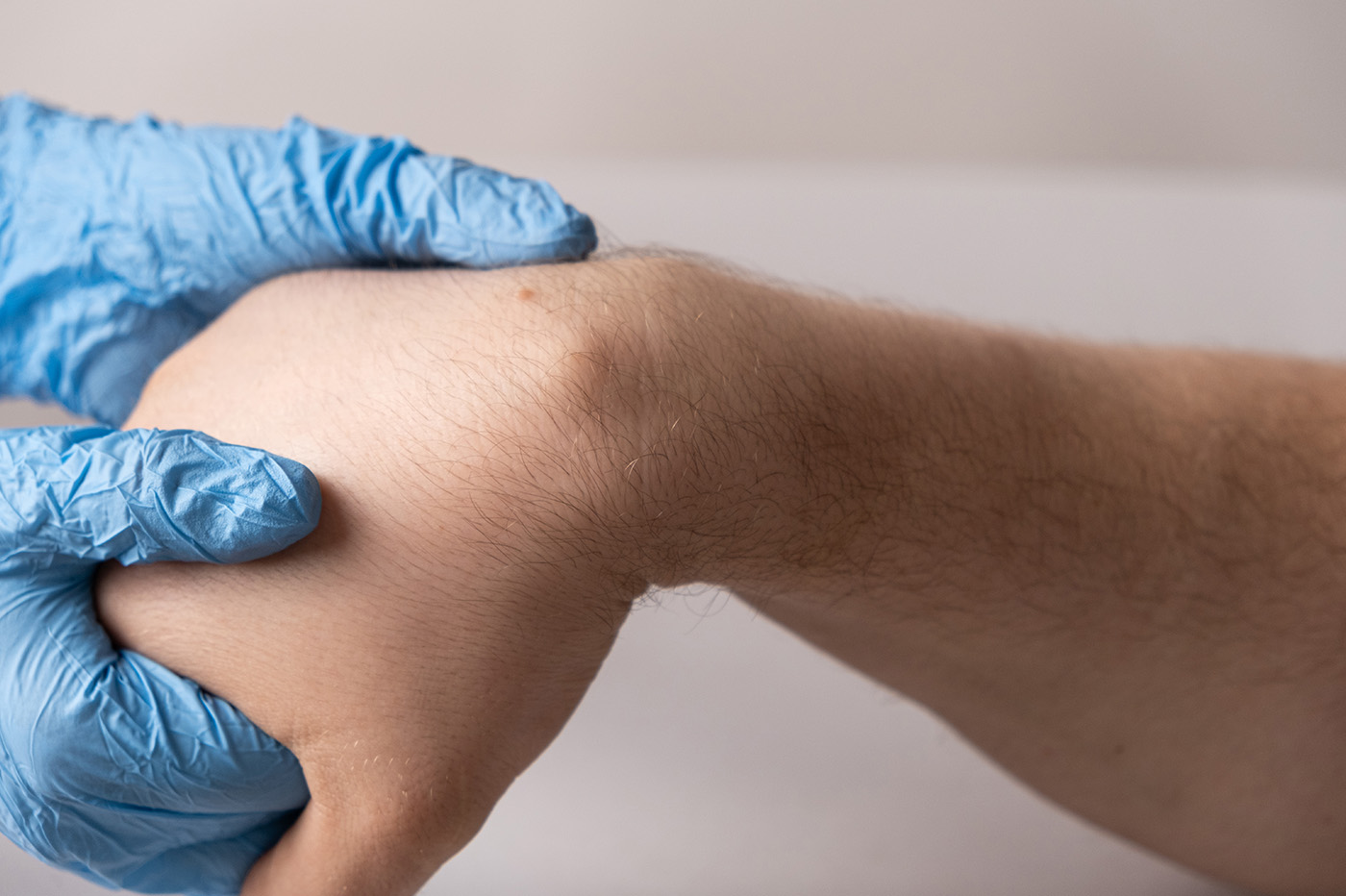
A lipoma is a soft, slow-growing lump made of fat cells that develops under the skin. These growths are usually painless and movable, commonly appearing on the neck, shoulders, back, arms, and thighs. While many lipomas do not require treatment, intervention becomes necessary when they grow large, cause discomfort, or affect appearance. Modern medicine now offers less invasive options that improve the overall treatment experience.
What Is Minimally Invasive Lipoma Removal?:
Minimally invasive lipoma removal refers to techniques that remove or reduce lipomas using smaller incisions and less tissue disruption compared to traditional surgery. The goal is to achieve effective removal while minimizing scarring and recovery time. These methods are especially useful for patients who prioritize cosmetic outcomes and quicker healing. Key features include:
- Smaller surgical incisions
- Reduced tissue damage
- Faster recovery time
- Minimal scarring
- Outpatient procedure in most cases
This approach represents a significant advancement in modern lipoma care.
Liposuction-Assisted Lipoma Removal:
One of the most commonly used minimally invasive methods is liposuction-assisted removal. In this technique, a small incision is made, and a thin tube is used to suction out fatty tissue. While effective in reducing the size of a lipoma, it may not always remove the entire capsule. Benefits include:
- Small entry point for instruments
- Less visible scarring
- Shorter procedure time
- Reduced post-operative discomfort
- Suitable for selected lipomas
This method is often used for cosmetic improvement.
Endoscopic Lipoma Removal Techniques:
Endoscopic techniques involve the use of a small camera and specialized instruments inserted through tiny incisions. This allows the surgeon to visualize and remove the lipoma with precision while minimizing tissue disruption. Advantages include:
- High precision during removal
- Minimal incision size
- Reduced trauma to surrounding tissues
- Faster healing process
- Improved cosmetic outcomes
This technique is becoming more popular in advanced surgical settings.
Laser-Assisted Lipoma Treatment:
Laser-assisted methods use laser energy to break down fatty tissue before or during removal. This approach can help reduce bleeding and improve precision during the procedure. Benefits include:
- Reduced bleeding during surgery
- Enhanced precision in tissue removal
- Minimal damage to surrounding areas
- Improved wound healing
- Potentially faster recovery
Laser techniques are often combined with other minimally invasive methods.
Comparison With Traditional Surgery:
Traditional surgical excision involves a larger incision and complete removal of the lipoma along with its capsule. While highly effective, it may result in longer recovery and more noticeable scarring. A comparison includes:
- Traditional surgery: complete removal, larger incision
- Minimally invasive methods: smaller incisions, faster recovery
- Traditional surgery: slightly higher downtime
- Minimally invasive: better cosmetic outcomes
- Both methods: high effectiveness when properly performed
Despite advances, traditional surgery remains the gold standard for certain cases.
When Minimally Invasive Methods Are Suitable:
Not all lipomas are suitable for minimally invasive treatment. Doctors evaluate several factors before recommending these techniques. Suitable cases include:
- Small to medium-sized lipomas
- Superficial fatty growths
- Cosmetic concerns as priority
- Patient preference for minimal scarring
- Non-complex anatomical locations
Larger or deeper lipomas may still require traditional Lipoma removal Surgery.
Recovery After Minimally Invasive Procedures:
Recovery is typically faster compared to conventional surgery due to reduced tissue damage. Most patients return to normal activities within a short period. Common recovery aspects include:
- Mild swelling or bruising
- Minimal post-operative pain
- Quick return to daily activities
- Smaller wound care requirements
- Faster overall healing process
Proper aftercare still plays an important role in recovery.
Risks and Limitations of Minimally Invasive Techniques:
While these modern methods are safe and effective, they do have limitations. Patients should be aware of potential drawbacks such as:
- Incomplete removal in some cases
- Possibility of recurrence
- Limited effectiveness for large lipomas
- Not suitable for deep or complex growths
- May require additional procedures
Doctors carefully evaluate each case before recommending treatment.
Cosmetic Benefits of Modern Approaches:
One of the biggest advantages of minimally invasive techniques is improved cosmetic outcomes. Patients often prefer these methods because they leave minimal visible marks. Benefits include:
- Smaller scars
- Improved skin appearance
- Reduced post-surgical marks
- Better aesthetic satisfaction
- Less noticeable healing process
These benefits make them highly appealing for visible body areas.
Importance of Professional Evaluation:
Choosing the right treatment method requires proper medical evaluation. Doctors assess size, depth, and symptoms before recommending the best approach. Patients considering Lipoma removal Surgery should consult a qualified professional to determine whether minimally invasive options are suitable for their condition. This ensures safe, effective, and personalized treatment planning.
Future of Lipoma Treatment:
Advancements in medical technology continue to improve lipoma treatment options. Minimally invasive techniques are expected to become even more refined, offering better precision and faster recovery. Future developments may include:
- Improved imaging-guided procedures
- More effective laser technologies
- Enhanced outpatient treatments
- Reduced recurrence rates
- Greater focus on cosmetic results
These innovations are shaping the future of soft tissue surgery.
Final Thoughts
Minimally invasive lipoma removal represents a significant advancement in modern medical care, offering patients effective treatment with less downtime and improved cosmetic outcomes. While not suitable for all cases, these techniques provide excellent options for selected patients. For those considering Lipoma removal Surgery, consulting a specialist ensures the most appropriate approach, balancing safety, effectiveness, and aesthetic goals for the best possible outcome.