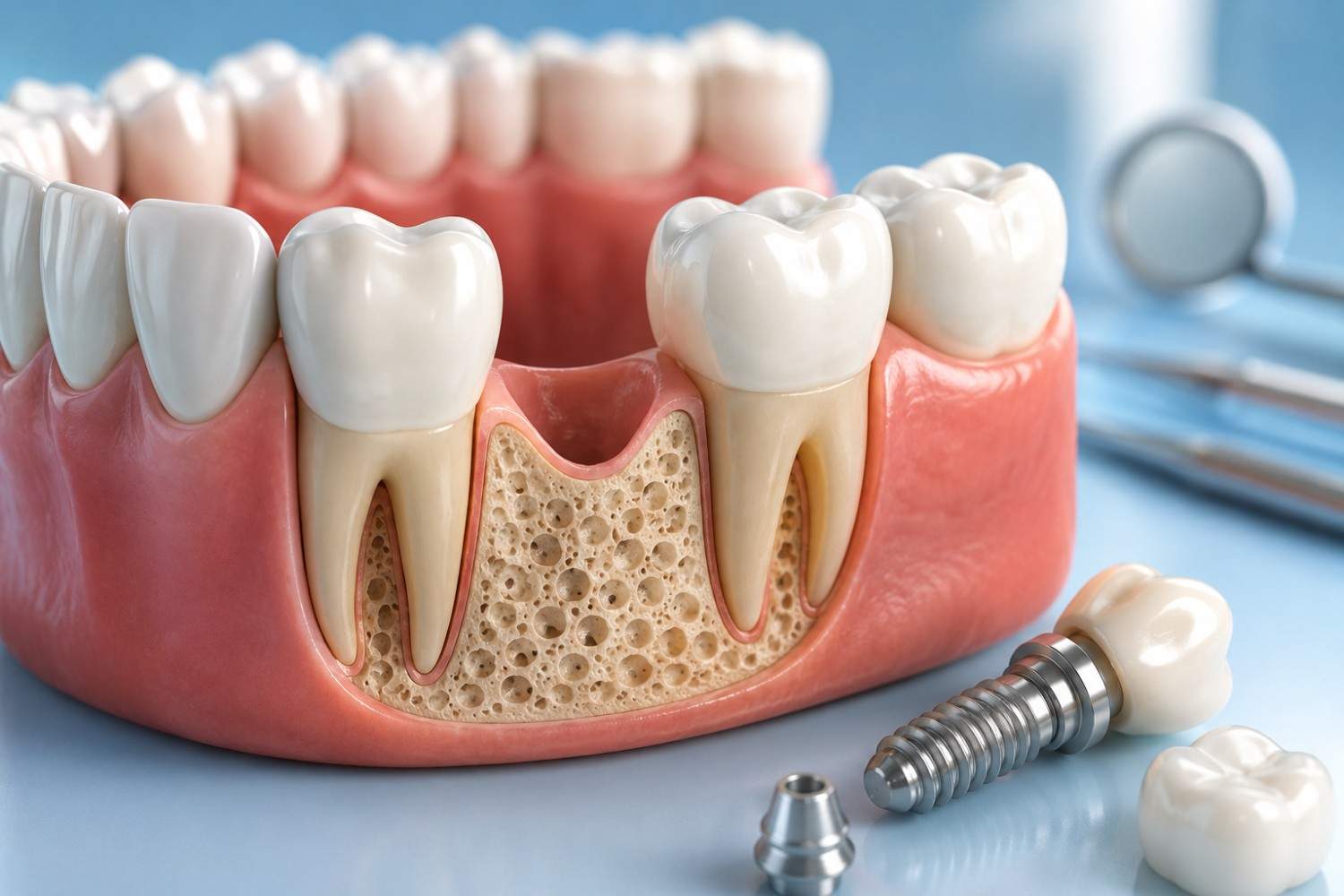
Losing a tooth can affect much more than the appearance of your smile. Whether a tooth is lost due to injury, advanced decay, or gum disease, leaving an empty space in your mouth may lead to several oral health complications over time.
Many people delay treatment because the missing tooth is not visible or does not cause immediate pain. However, a missing tooth can change the way your teeth function, affect your ability to chew comfortably, and influence the health of your jawbone and surrounding teeth.
Why Replacing a Missing Tooth Is Important
Your teeth work together as a complete system. When one tooth is missing, neighbouring teeth may gradually shift into the empty space, affecting your bite alignment. This movement can make cleaning more difficult and increase the risk of tooth decay and gum problems.
Another major concern is jawbone deterioration. The roots of natural teeth stimulate the jawbone during everyday activities such as chewing. After tooth loss, the area may no longer receive the same stimulation, which can result in gradual bone loss.
According to the Australian Government Department of Health, maintaining good oral health is important for overall health and wellbeing, and untreated dental problems can have long-term effects on daily life.
Common Problems Caused by Missing Teeth
Changes in Bite Alignment
When teeth begin to move, your bite can become uneven. This may lead to difficulties while chewing, excessive wear on certain teeth, and even jaw discomfort in some cases.
Difficulty Eating Certain Foods
Missing teeth can reduce your ability to chew foods effectively, especially harder items such as nuts, raw vegetables, and some meats. Over time, this may cause people to avoid certain nutritious foods.
Speech Changes
Teeth play an important role in producing certain sounds. Depending on the location of the missing tooth, some people may notice changes in their speech or pronunciation.
Changes in Facial Appearance
Long-term tooth loss may contribute to changes in facial structure because of the gradual reduction in jawbone volume.
What Are Your Options for Replacing a Missing Tooth?
Modern dentistry offers several solutions depending on your oral health, budget, and personal preferences.
Dental Implants
Dental implants are considered one of the most advanced solutions for replacing missing teeth because they are designed to replace both the tooth root and the visible crown. They provide stability, function, and a natural appearance.
For patients looking for dental implants near Campbelltown, professional assessment is essential to determine whether they have enough healthy bone and suitable oral conditions for treatment.
Dental Bridges
A dental bridge fills the gap by attaching an artificial tooth to neighbouring natural teeth or implants. It may be a suitable option when dental implants are not appropriate.
Dentures
Partial or complete dentures are removable appliances used to replace one or multiple missing teeth. They can improve appearance and function but may require adjustments over time.
How to Choose the Right Tooth Replacement Option
The best treatment depends on several factors, including:
- The number and location of missing teeth
- The condition of your gums and jawbone
- Your overall health
- Your budget and long-term goals
A comprehensive dental examination allows a dentist to evaluate your individual situation and recommend the most suitable treatment.
Why Professional Advice Matters
Every case of tooth loss is different. While online information can provide general guidance, a professional assessment is necessary to identify the cause of tooth loss and create a personalised treatment plan.
If you are searching for an experienced Dentist Campbelltown, choosing a clinic that provides comprehensive examinations, modern treatment options, and patient-focused care can help you make an informed decision about restoring your smile.
Final Thoughts
Ignoring a missing tooth may seem harmless at first, but the long-term effects can impact your oral function, comfort, and confidence. Understanding your treatment options early can help prevent further complications and maintain your overall oral health.
Seeking advice from a qualified dental professional allows you to explore suitable solutions and choose a treatment plan that supports your long-term dental health.