Mold can develop in homes, offices, and commercial buildings when moisture remains on surfaces or inside building materials. Leaking pipes, roof damage, condensation, flooding, and poor ventilation can all contribute to conditions that allow mold to grow. A Mold Inspection helps investigate visible mold, musty odors, moisture concerns, and areas where hidden growth may be possible. Identifying the source of moisture is an important part of understanding the problem because cleaning visible spots alone may not prevent mold from returning. An inspection provides useful information about the affected areas and helps determine whether further testing or remediation may be appropriate.
Recognize Common Signs of Mold Growth
Mold does not always appear as obvious dark patches on walls or ceilings. It may show up as discoloration, spots, fuzzy growth, or staining around windows, bathrooms, basements, and other damp areas. A Mold Inspection can examine these visible signs and consider whether they may be connected to ongoing moisture problems. Persistent musty odors can also justify closer investigation, even when no growth is immediately visible. However, stains and odors can have causes other than mold, so their appearance alone does not confirm the presence or type of mold. A careful assessment helps determine what should be investigated next.
Investigate Moisture Behind Walls and Ceilings
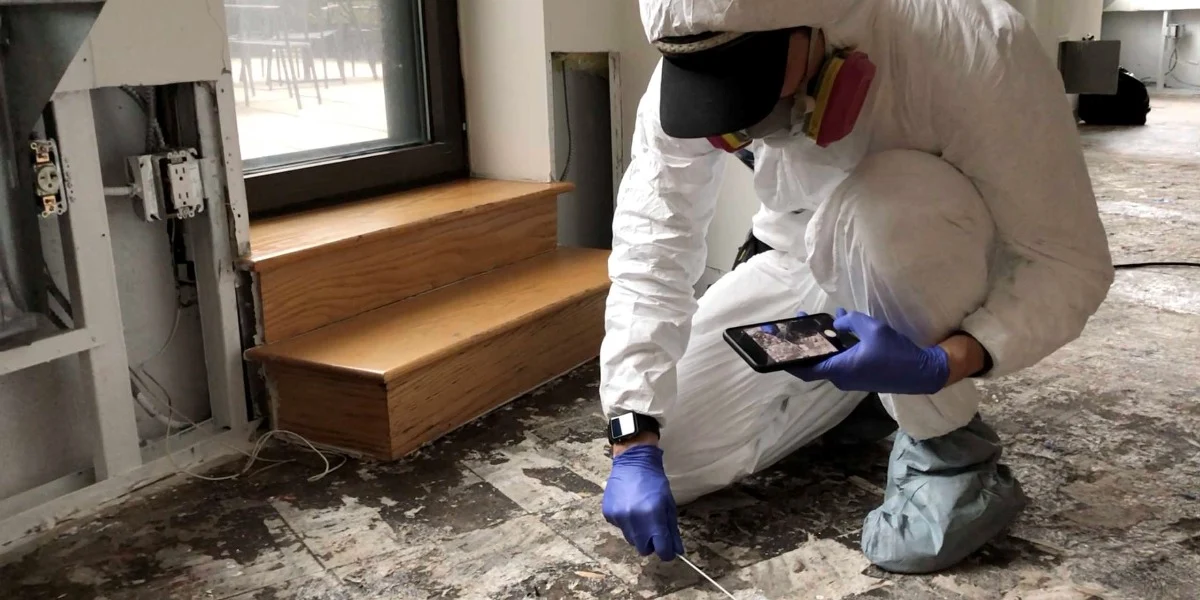
Mold may grow in concealed locations when water enters wall cavities, ceiling spaces, flooring systems, or insulation. Plumbing leaks, roof defects, and water intrusion around windows can allow moisture to remain hidden for extended periods. During a Mold Inspection in Baltimore MD, the inspector may review accessible areas, look for staining or deterioration, and use appropriate moisture-measuring equipment where necessary. Specialized tools may help identify areas that deserve further attention, but they do not automatically confirm hidden mold. If evidence suggests growth behind finished surfaces, additional investigation may be required to establish the extent of the affected materials.
Examine Bathrooms, Kitchens, and Laundry Areas
Rooms that regularly produce moisture can become vulnerable to mold when water is not removed effectively. Bathrooms, kitchens, laundry rooms, and utility spaces may experience condensation, plumbing leaks, or inadequate ventilation. A Mold Inspection can focus on areas beneath sinks, around tubs and showers, near washing machines, and along walls exposed to repeated moisture. Inspectors may also examine visible caulking, nearby finishes, and ventilation arrangements for signs of deterioration. Keeping these spaces dry and repairing leaks promptly can reduce conditions that support mold growth. If moisture continues to accumulate, the underlying cause should be addressed rather than simply covering affected surfaces.
Check Basements, Crawl Spaces, and Attics
Basements and crawl spaces can experience dampness because of drainage problems, groundwater intrusion, plumbing leaks, or limited airflow. Attics may develop moisture concerns when roof leaks or ventilation problems allow condensation to accumulate. A Mold Inspection can include accessible portions of these areas, depending on safety conditions and the agreed inspection scope. Visible water stains, damp insulation, damaged wood, condensation, and musty odors may indicate that additional evaluation is necessary. Because some areas are difficult to access, an inspection may have limitations. Correcting drainage, roof, plumbing, or ventilation problems is often essential to preventing recurring moisture-related damage.
Understand When Mold Testing May Be Needed
A visual inspection and laboratory testing serve different purposes. Many situations can be assessed initially through visible evidence, moisture investigation, and a review of the building’s history. A Mold Inspection may lead to recommendations for air, surface, or material sampling when testing would answer a specific question. Sampling can sometimes help characterize the presence of mold, but results must be interpreted in context because mold spores can occur naturally indoors and outdoors. Testing is not always necessary, and a single sample cannot describe every area of a building. The appropriate approach depends on the conditions observed and the reason for the assessment.
Identify the Source of Moisture
Mold prevention depends on controlling the moisture that supports its growth. Common sources include leaking plumbing, damaged roofing, poor exterior drainage, condensation, flooding, and ventilation problems. A Mold Inspection should consider these possible causes rather than focusing exclusively on visible discoloration. Inspectors may review accessible plumbing connections, windows, exterior walls, ceilings, and other locations where water could enter or accumulate. If the source is not clear, further evaluation by a plumber, roofer, building specialist, or moisture-control professional may be necessary. Resolving the underlying problem can help reduce the likelihood of mold returning after affected materials have been cleaned or replaced.
Learn What the Inspection Report Should Include
An inspection report can help property owners understand the observations made during the assessment. It may describe visible growth, moisture readings, affected locations, inspection limitations, and recommendations for additional investigation. A Mold Inspection report should distinguish between observed conditions and conclusions that would require laboratory analysis or more invasive evaluation. Photographs and clear descriptions can make it easier to discuss the findings with property managers, contractors, sellers, or other relevant parties. If remediation is recommended, the report can provide a starting point for defining the areas that need attention, although the remediation plan may require a separate assessment.
Plan Appropriate Mold Remediation
When mold growth is confirmed or strongly suspected, the response should match the size of the affected area, the materials involved, and the source of moisture. Small areas on suitable nonporous surfaces may be manageable with appropriate precautions, while extensive growth, contaminated porous materials, or recurring moisture may require specialized remediation. A Mold Inspection can help clarify where further work may be needed, but it does not itself remove mold or repair water damage. People should avoid disturbing extensive growth because this can release additional spores into the air. After remediation, the moisture source should be corrected and affected areas checked to determine whether the work has addressed the problem.
Maintain a Dry and Comfortable Property
Preventing recurring mold problems requires ongoing attention to moisture and ventilation. Repair leaks promptly, use suitable exhaust ventilation in moisture-producing rooms, maintain drainage around the building, and investigate condensation before it damages nearby materials. A Mold Inspection can provide a useful starting point when musty odors, visible growth, or unexplained moisture appear. However, an inspection cannot guarantee that every hidden area has been examined or that mold will never develop again. Combining appropriate assessment with timely repairs and moisture control can help protect building materials and maintain a more comfortable indoor environment for occupants.