A well-aligned smile can influence much more than appearance. The position of the teeth affects how they meet, how easily they can be cleaned, and how comfortably a person can bite and chew. Orthodontics focuses on correcting irregular tooth positions and certain bite concerns through carefully planned treatment.
While many people associate ortodoncia terrassa with traditional metal braces, modern treatment offers several approaches designed for different ages, dental conditions, and personal preferences. The most appropriate option depends on an individual’s needs and should always begin with a professional assessment.
What Does Orthodontics Address?
Orthodontic treatment focuses primarily on the alignment of teeth and the relationship between the upper and lower jaws. Teeth may become crowded when there is insufficient space, while other people may have noticeable gaps between individual teeth.
Some patients have teeth that are rotated, tilted, or positioned outside the normal dental arch. Bite irregularities can also occur when the upper and lower teeth do not meet correctly.
These issues can sometimes affect chewing, speech, oral hygiene, or general comfort. Orthodontic care aims to guide the teeth toward more appropriate positions and, when necessary, improve the relationship between the jaws.
Why Tooth Alignment Matters
Straightening teeth is often viewed as a cosmetic procedure, but alignment can have practical benefits as well. Crowded teeth can create areas that are difficult to clean thoroughly, potentially allowing plaque to accumulate.
A more balanced arrangement may make brushing and cleaning between teeth easier. Correcting certain bite problems can also improve how pressure is distributed during chewing.
However, not every minor difference in tooth position requires orthodontic treatment. A dental professional can assess whether an alignment issue is affecting oral health or function and determine whether treatment would be beneficial.
Starting With a Professional Assessment
Orthodontic treatment should begin with a detailed evaluation rather than a decision based solely on appearance.
The dental professional may examine the teeth, gums, bite, jaw relationship, and available space. Diagnostic records or imaging may also be used to understand the underlying structures and plan tooth movement.
The patient’s age, dental history, existing restorations, gum health, and treatment goals can all influence the recommended approach.
A thorough assessment also provides an opportunity to discuss expectations. Patients should understand what orthodontic treatment can realistically achieve and what their responsibilities will be throughout the process.
Different Approaches to Straightening Teeth
Modern orthodontics provides more than one way to guide teeth into improved positions. Traditional braces remain an effective option for many types of alignment concerns. They use brackets and wires to apply controlled forces over time.
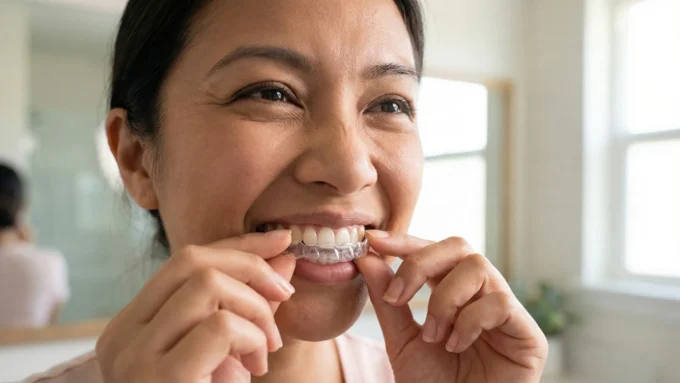
Clear aligners provide another approach for suitable patients. These removable trays are designed to gradually move the teeth while maintaining a discreet appearance.
Some orthodontic cases may benefit from other specialized appliances or techniques. The most suitable option depends on the complexity of the problem rather than on which treatment looks most attractive.
A professional recommendation should therefore be based on clinical needs, lifestyle considerations, and realistic treatment goals.
Orthodontic Treatment for Adults
There is no rule that orthodontic treatment is only for children or teenagers. Adults may seek treatment for a variety of reasons, including crowded teeth, spacing, bite concerns, or changes that have developed over time.
Some adults may have had braces earlier in life but experienced movement after treatment because retainers were not used consistently. Others may never have received orthodontic care when they were younger.
Modern discreet options can make orthodontic treatment more appealing to adults who are concerned about appearance during professional or social activities.
Before treatment begins, the condition of the gums and teeth should be assessed carefully. Existing dental problems may need to be addressed first.
Keeping Teeth Healthy During Treatment
Good oral hygiene is especially important while wearing orthodontic appliances. Brackets, wires, and other components can create additional spaces where plaque may accumulate.
Patients should receive guidance on brushing techniques and cleaning between the teeth. Depending on the type of appliance, specialized cleaning tools may be recommended.
Clear aligners offer removable convenience, but patients still need to clean their teeth consistently and care for the aligners properly.
Regular dental examinations should continue throughout orthodontic treatment. Straightening the teeth should always take place alongside proper preventive care.
The Importance of Regular Adjustments
Orthodontic treatment is a gradual process. Teeth respond to carefully controlled forces over time, which means professional monitoring is essential.
During appointments, the dental team can evaluate progress and make adjustments when necessary. With traditional braces, this may involve changing or adjusting wires and other components. With aligners, the next stage may involve moving to a new set according to the treatment plan.
Regular appointments also provide an opportunity to identify problems early. Patients should report damaged appliances, unusual discomfort, or other concerns rather than waiting for the next scheduled visit.
Retention After Orthodontic Treatment
Completing active treatment does not necessarily mean that the teeth will remain permanently in exactly the same positions without additional support.
Teeth can naturally move throughout life. Retainers are commonly used after orthodontic treatment to help maintain the alignment that has been achieved.
The type of retainer and recommended wearing schedule depend on individual circumstances. Following professional instructions is important for protecting the investment made in orthodontic treatment.
Continuing routine dental examinations and maintaining good oral hygiene also supports the long-term health of the newly aligned smile.
Choosing the Right Dental Team
Orthodontic treatment can take time, so choosing a dental practice with a professional and patient-focused approach is important. Patients should feel comfortable asking questions and discussing concerns throughout their treatment.
A good dental team will explain the proposed treatment clearly, discuss available alternatives where appropriate, and provide guidance about oral hygiene, appointments, and retention.
Comprehensive dental care can also be beneficial because patients may require professional cleaning, restorative treatment, or other services before or after orthodontic treatment.
A Long-Term Investment in Your Smile
Orthodontics can provide benefits that extend beyond having straighter teeth. Better alignment may support easier cleaning, improved bite function, and greater confidence when smiling.
The right treatment begins with an individual assessment and continues through carefully monitored tooth movement and long-term retention. Patient cooperation, regular appointments, and good oral hygiene all contribute to the overall experience.