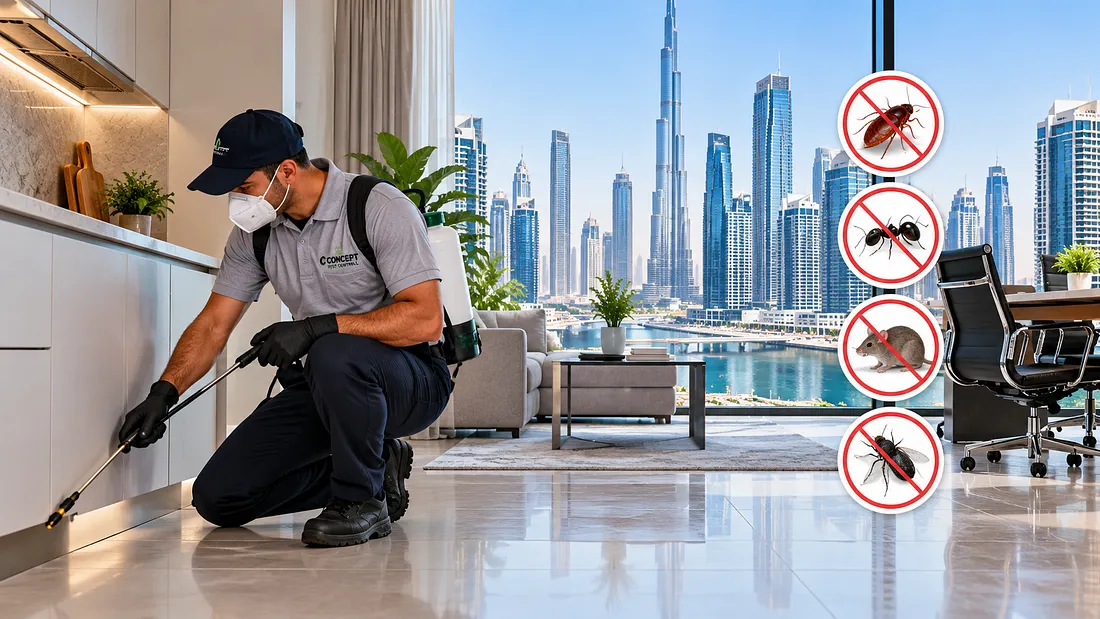
Business Bay is one of Dubai’s prominent residential and commercial districts, featuring high-rise apartments, corporate offices, restaurants, hotels and retail establishments. While these properties offer modern facilities and convenient living, certain environmental and building conditions can make pest prevention a challenge.
Cockroaches, ants, rodents, flies and other pests can enter properties through drainage systems, small structural gaps, delivery packages and shared waste disposal areas. Without proper preventive measures, a minor pest problem can develop into a recurring infestation.
Whether you manage an apartment, operate an office or own a commercial property, understanding how to prevent pests is essential for maintaining cleanliness and protecting your premises.
In this guide, we explain practical pest prevention tips for Business Bay properties, common warning signs to watch for and when to consider professional pest management.
Why Is Pest Prevention Important in Business Bay?
Pest prevention is particularly important in densely developed areas where residential and commercial properties share walls, utility systems, waste disposal facilities and common areas.
Several factors can contribute to pest activity in Business Bay.
High-rise residential buildings: Shared plumbing, drainage connections and service openings can provide potential routes for pests to move between different areas of a building.
Commercial kitchens and restaurants: Food preparation areas, storage spaces and waste collection points can attract cockroaches, ants and rodents when cleaning and storage practices are inadequate.
Construction and renovation activities: Disturbances to existing structures may cause rodents and insects to move into nearby buildings in search of shelter.
Moisture and drainage issues: Leaking pipes, condensation and damp areas can create favourable conditions for certain pests.
Frequent movement of goods: Deliveries, cardboard packaging, luggage and second-hand furniture can introduce pests into apartments, offices and commercial premises.
Identifying these potential risks early can help property owners and occupants reduce the likelihood of an infestation.
1. Keep Kitchens and Food Storage Areas Clean
Food residue and improperly stored ingredients can attract several common household and commercial pests.
Even a clean-looking kitchen may contain crumbs, grease deposits or small food particles behind appliances and inside cupboards.
To reduce the risk of pest activity:
- Wipe kitchen counters and dining surfaces after use.
- Store food in airtight containers.
- Clean spills and remove crumbs promptly.
- Avoid leaving dirty dishes overnight.
- Clean underneath refrigerators, ovens and other appliances regularly.
- Dispose of food waste in bins with secure lids.
- Inspect food storage cupboards for signs of insects.
Restaurants, cafés and office pantries should follow consistent cleaning routines, particularly around food preparation surfaces, storage shelves and waste collection areas.
These practices help remove the food sources that can encourage pests to remain in a property.
2. Prevent Cockroaches by Addressing Entry Points
Cockroaches are among the most troublesome pests in apartments and commercial properties. They can hide in dark, warm and humid spaces, including kitchen cabinets, utility areas, bathroom cupboards and locations around plumbing connections.
Seeing cockroaches during daylight hours, finding droppings or noticing activity around drains may indicate a developing infestation.
Here are some practical prevention measures:
- Seal gaps around pipes and plumbing connections where appropriate.
- Repair leaking taps and pipes.
- Keep kitchen surfaces free from food residue.
- Avoid leaving standing water in sinks.
- Inspect areas behind refrigerators and other appliances.
- Keep waste bins clean and empty them regularly.
- Report recurring cockroach sightings to building management.
In apartment towers, cockroach activity may sometimes originate from shared service areas or neighbouring units. Treating only the visible insects may not address the underlying source.
If cockroaches continue appearing despite regular cleaning, a professional inspection can help identify hiding places, potential entry routes and appropriate treatment options.
3. Reduce Ant Activity Around Your Property
Ants can enter through tiny openings around windows, doors, plumbing connections and wall joints. They are often attracted by sugary spills, uncovered food and other accessible sources of nourishment.
Once ants establish a trail to a food source, additional ants may follow the same route.
To minimise ant activity:
- Clean sugary spills immediately.
- Store sweets, cereals and other food products in sealed containers.
- Wipe surfaces where ants have been observed.
- Inspect window frames and door edges for small gaps.
- Keep outdoor areas near entrances free from food waste.
- Avoid leaving pet food exposed for extended periods.
- Identify and address potential entry points where possible.
If ant trails repeatedly return, the colony may be located in a wall cavity, planter, outdoor area or another concealed location.
Professional pest management can help identify the source and determine an appropriate approach rather than simply treating the ants that are visible.
4. Control Moisture to Discourage Pests
Water is an important factor in the survival of many pests. Damp environments and persistent leaks can create conditions that encourage insect activity and may also attract rodents seeking water.
Bathrooms, kitchens, laundry areas, utility cupboards and storage rooms deserve particular attention.
Property owners and occupants should:
- Repair leaking taps and pipes promptly.
- Check under sinks for moisture.
- Keep bathroom floors and corners as dry as practical.
- Ensure drainage systems are functioning properly.
- Investigate persistent dampness or unexplained water accumulation.
- Maintain appropriate ventilation in enclosed areas.
- Arrange repairs for damaged plumbing connections.
Business Bay properties with recurring moisture problems should address the underlying maintenance issue instead of relying exclusively on pest treatments.
Reducing moisture can help make the environment less favourable for certain pests, although the specific prevention measures required will depend on the pest involved.
5. Maintain Proper Waste Management in Apartments and Offices
Poor waste management can create favourable conditions for cockroaches, flies and rodents.
In apartment buildings, waste disposal rooms, rubbish chutes and shared collection areas require particular attention. Commercial premises may also face challenges when food waste accumulates or rubbish is stored for extended periods.
Follow these waste management practices:
- Dispose of household waste regularly.
- Use bins with properly fitting lids.
- Clean waste containers to remove residue and odours.
- Avoid leaving rubbish bags beside bins.
- Keep storage and waste collection areas organised.
- Arrange timely removal of commercial and food waste.
- Report overflowing communal bins to building management.
Businesses should establish clear responsibilities for waste collection and cleaning.
Maintaining clean shared areas is particularly important because pests can move between different parts of a building, making prevention a shared responsibility.
6. Inspect Deliveries, Furniture and Storage Areas
Pests are not always introduced through drains or structural openings. They can also enter properties through items brought indoors.
Cardboard packaging, used furniture, mattresses, luggage and stored materials may occasionally carry insects or provide hiding places.
Bed bugs, for example, can be transported through infested luggage, furniture and personal belongings.
To reduce this risk:
- Inspect second-hand furniture before bringing it indoors.
- Check luggage after travelling if you suspect exposure to bed bugs.
- Examine cardboard packaging when unpacking deliveries.
- Avoid accumulating unnecessary cardboard boxes.
- Keep storage rooms organised and inspect them periodically.
- Investigate unexplained insect activity around furniture and sleeping areas.
If you suspect bed bugs, avoid moving potentially infested items between rooms because this may spread the problem.
A professional inspection can help determine whether bed bugs or another pest is present and what treatment may be appropriate.
7. Make Offices and Commercial Properties Less Attractive to Pests
Offices, retail stores, restaurants and other commercial premises require prevention measures suited to their daily operations.
A pest problem can disrupt employees, affect customer confidence and create additional cleaning and maintenance requirements.
Businesses in Business Bay can reduce these risks by implementing a consistent pest prevention routine.
Recommended pest prevention checklist for businesses
Daily tasks
- Clean pantry counters and food preparation areas.
- Remove food waste and empty bins as required.
- Keep floors and frequently used surfaces clean.
- Avoid leaving food uncovered overnight.
Weekly tasks
- Inspect storage cupboards and less frequently used areas.
- Clean behind accessible appliances.
- Check for signs of insects or rodent activity.
- Review waste storage and housekeeping practices.
Periodic tasks
- Inspect plumbing connections and potential entry points.
- Review recurring pest complaints.
- Arrange professional inspections when warning signs appear.
- Coordinate with building management regarding pest activity in shared areas.
Restaurants and food-handling businesses may require more specialised monitoring based on their operations and applicable requirements.
A documented prevention routine helps businesses identify problems early and respond before pest activity becomes more widespread.
8. Recognise the Early Signs of a Pest Infestation
Early detection can help reduce the time and effort required to address a pest problem.
Different pests leave different signs, so property owners should know what to look for.
PestCommon warning signsCockroachesLive insects, droppings, shed skins or egg casesAntsRepeated trails near food, windows or wall openingsRodentsDroppings, gnaw marks, scratching sounds or damaged packagingBed bugsLive insects, shed skins, dark spotting or bites that may have other causesFliesRepeated fly activity, particularly near waste or drainsTermitesMud tubes, discarded wings or damaged wood
The presence of one warning sign does not always confirm a significant infestation. However, repeated sightings or multiple signs should not be ignored.
Avoid relying exclusively on household sprays when the source of the problem is unknown. Such products may reduce visible pest activity without resolving an underlying infestation.
If pest activity persists, arrange an inspection to identify the pest and determine the most appropriate response.
9. When Should You Arrange Professional Pest Control in Business Bay?
Preventive cleaning and property maintenance can reduce many pest risks, but they may not be sufficient once pests have established themselves inside a building.
Consider professional pest control when:
- Cockroaches continue appearing after cleaning.
- Ant trails return repeatedly in the same locations.
- Rodent droppings or gnaw marks are present.
- You suspect bed bugs in sleeping or seating areas.
- Pests are appearing in multiple rooms or work areas.
- A recurring problem may involve shared drainage or building infrastructure.
- Your business requires a planned pest management programme.
A professional assessment can help identify the pest, assess the extent of the problem and determine whether targeted treatment, monitoring, exclusion measures or follow-up visits are needed.
The appropriate approach depends on the pest species, infestation level, property layout and surrounding conditions.
For residents, offices and businesses requiring local assistance, Concept Pest Control provides services for a range of common pest problems.
Learn more about professional pest control in Business Bay and the available options for addressing pest infestations in residential and commercial properties.
10. How Can You Prevent Pests from Returning?
Eliminating visible pests is only one part of effective pest management. Preventing their return requires attention to the conditions that allowed them to enter, survive or reproduce.
After treatment or an inspection, follow these general preventive measures:
Address structural gaps: Seal suitable openings around pipes, doors and windows after checking that the work will not interfere with ventilation or building services.
Maintain hygiene: Continue cleaning food preparation areas, storage spaces and waste collection points.
Resolve moisture problems: Repair leaks and investigate recurring dampness.
Follow treatment instructions: Observe all preparation, ventilation, cleaning and re-entry instructions provided by the pest control professional.
Monitor pest activity: Keep track of recurring sightings and report them promptly.
Coordinate with building management: If pests appear to originate from shared facilities, common areas or neighbouring properties, individual treatment may need to be supported by wider building maintenance.
Schedule inspections when appropriate: The frequency of professional inspections should reflect the property type, pest history and level of risk.
A consistent prevention strategy can help reduce the likelihood of recurring infestations and make future pest problems easier to identify.
Conclusion
Preventing pest infestations in Business Bay requires more than occasional cleaning. Food storage, moisture control, waste management, property maintenance and early detection all play important roles in reducing pest activity.
Whether you live in an apartment, manage an office or operate a commercial establishment, addressing potential entry points and removing the conditions that attract pests can help protect your premises.
When pests continue appearing despite preventive measures, professional assessment can help identify the underlying problem and determine the appropriate treatment.
Concept Pest Control offers pest management services for residential and commercial properties in Dubai. If you are experiencing recurring pest activity, visit our pest control service page in Business Bay to learn more about the available services.
Frequently Asked Questions
1. How can I prevent pests in my Business Bay apartment?
Keep food in sealed containers, clean kitchen surfaces regularly, dispose of rubbish properly, repair water leaks and seal suitable gaps around doors and pipes. If you repeatedly notice cockroaches, ants or rodents, consider arranging a professional inspection to identify the source.
2. What are the most common pests found in Dubai apartments?
Common pests in Dubai apartments include cockroaches, ants, bed bugs, rodents and flies. The types of pests encountered can vary depending on the property, surrounding environment, sanitation practices and access to food or water.
3. How often should pest control be done in Dubai?
The recommended frequency depends on the property type, pest history and risk of infestation. Some properties benefit from periodic preventive inspections, while commercial premises may need more frequent monitoring. A pest control professional can recommend a suitable schedule after assessing the property.
4. Why do cockroaches keep coming back after pest control?
Cockroaches may return if egg cases or hidden populations remain, entry points are not addressed, food and moisture are readily available, or pests continue entering from shared building areas. Persistent activity may require further inspection, targeted treatment and improvements to sanitation or maintenance.
5. Is professional pest control necessary if I only see a few insects?
Not necessarily. An occasional insect does not always indicate an established infestation. However, repeated sightings, droppings, egg cases, damaged materials or pest activity in multiple areas may indicate a larger problem. If the activity continues, professional inspection can help determine whether treatment is necessary.