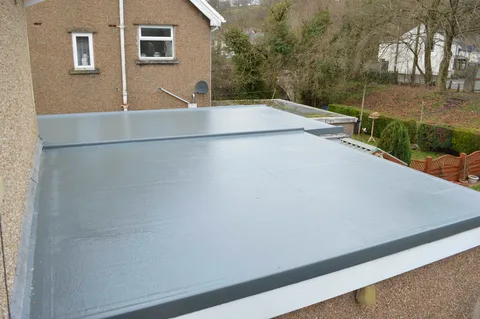
A poorly installed roof can create ongoing problems for a building, especially when rainwater collects on the surface instead of draining away properly. Water pooling, weak seams, damaged membranes, and poor installation details may eventually lead to leaks and structural concerns. Flat roofs are commonly used on commercial buildings, extensions, garages, and modern residential properties because of their practical design and useful space. However, they require suitable materials, careful preparation, and proper drainage to perform well. Flat Roof Installation involves several important steps that help create a protective surface, manage rainwater, and support the long-term condition of a building.
Understanding How Flat Roofing Systems Work
Flat roofs are designed with a very slight slope that allows water to move toward drains or other drainage points. Although the surface may appear completely level, proper water movement is necessary to prevent standing water. These roofing systems can be built using different materials, including modified bitumen, EPDM rubber, TPO membranes, and other suitable coverings. Flat Roof Installation depends on selecting a system that matches the building’s structure, climate, and intended use. Understanding these options helps property owners make informed decisions before starting a roofing project and reduces the risk of choosing unsuitable materials.
Choosing the Right Roofing Material
The roofing material affects durability, maintenance requirements, installation methods, and overall performance. EPDM is a rubber-based membrane commonly used on flat roofs, while TPO offers a reflective surface that may help reduce heat absorption. Modified bitumen uses layered materials to create a protective covering, making it another option for certain buildings. During Flat Roof Installation in Pompano beach, material selection should consider weather exposure, roof size, drainage design, and available budget. Each system has different installation requirements, so the selected material should be suitable for the building rather than chosen only because of its initial cost.
Preparing the Roof Surface Before Installation
Proper preparation is necessary before any new roofing material is installed. The existing surface may need to be inspected for damaged decking, moisture, loose materials, and structural weaknesses. Any unsuitable sections should be addressed before the new system is placed. Flat Roof Installation usually requires a clean, stable, and properly prepared surface to support the roofing layers. If the building already has an old roof, the decision to remove or cover existing materials should depend on their condition and applicable building requirements. Careful preparation creates a suitable foundation and helps prevent problems from developing beneath the finished roof.
Creating Proper Drainage and Roof Slope
Water management is one of the most important parts of a flat roofing project. Unlike steep roofs, flat surfaces cannot rely on gravity alone to move water quickly toward the edges. A slight slope, correctly positioned drains, and suitable drainage pathways help prevent water from collecting in low areas. Flat Roof Installation should account for the building’s layout and expected rainfall when planning these features. Poor drainage can place unnecessary pressure on roofing materials and increase the risk of leaks. Properly designed water movement helps protect the roof surface and reduces maintenance concerns over time.
Installing the Roofing Membrane Correctly
The membrane acts as a protective barrier between the building and outside weather conditions. Depending on the selected system, it may be installed using adhesives, mechanical fasteners, heat-welded seams, or other approved methods. Each method requires careful attention to material placement and connection points. Flat Roof Installation must include properly sealed seams, secure edges, and suitable protection around openings. Small gaps or poorly connected sections can become entry points for moisture. Following the manufacturer’s installation requirements helps create a more consistent surface and supports the overall performance of the roofing system.
Protecting Roof Edges, Vents, and Openings
Flat roofs contain several areas where the roofing membrane meets other building components. These may include walls, vents, pipes, skylights, drains, and roof edges. If these connections are not sealed correctly, water may enter even when the main roof surface is in good condition. Flat Roof Installation should include careful detailing around these vulnerable locations. Flashing, membrane extensions, and suitable sealing materials help protect connection points from moisture. Paying attention to these details during installation can reduce the likelihood of recurring leaks and make the entire roofing system more dependable.
Considering Insulation and Roof Ventilation
Insulation plays an important role in controlling indoor temperatures and supporting energy efficiency. The appropriate insulation type and placement depend on the building’s design, climate, and roofing system. Some flat roofs use insulation above the structural deck, while others follow different layer arrangements. During Flat Roof Installation, the insulation should be selected and positioned according to the requirements of the complete roofing assembly. Moisture control is equally important because trapped water can affect insulation and underlying materials. Proper planning helps create a roof that supports indoor comfort while protecting the building structure.
Maintaining a Newly Installed Flat Roof
A new roof still requires regular attention to maintain its condition. Dirt, leaves, and other debris can block drains and create areas where water collects. Heavy weather may also affect seams, flashing, roof edges, and exposed materials. After Flat Roof Installation, property owners should arrange periodic inspections and keep drainage components clear. Any signs of standing water, loose membrane sections, cracks, or moisture inside the building should be investigated. Regular maintenance helps identify small concerns before they become extensive repairs and supports the useful life of the roofing system.
Building Long-Term Protection with Proper Installation
A flat roof can provide practical protection and useful design benefits when it is planned and installed correctly. Material selection, surface preparation, drainage, insulation, and careful sealing all contribute to its performance. Flat Roof Installation should be treated as a complete roofing project rather than simply covering a level surface with a waterproof material. Paying attention to every layer and connection helps reduce the risk of leaks and future maintenance problems. With suitable materials, proper workmanship, and consistent inspections, property owners can maintain a flat roofing system that supports their building for many years.