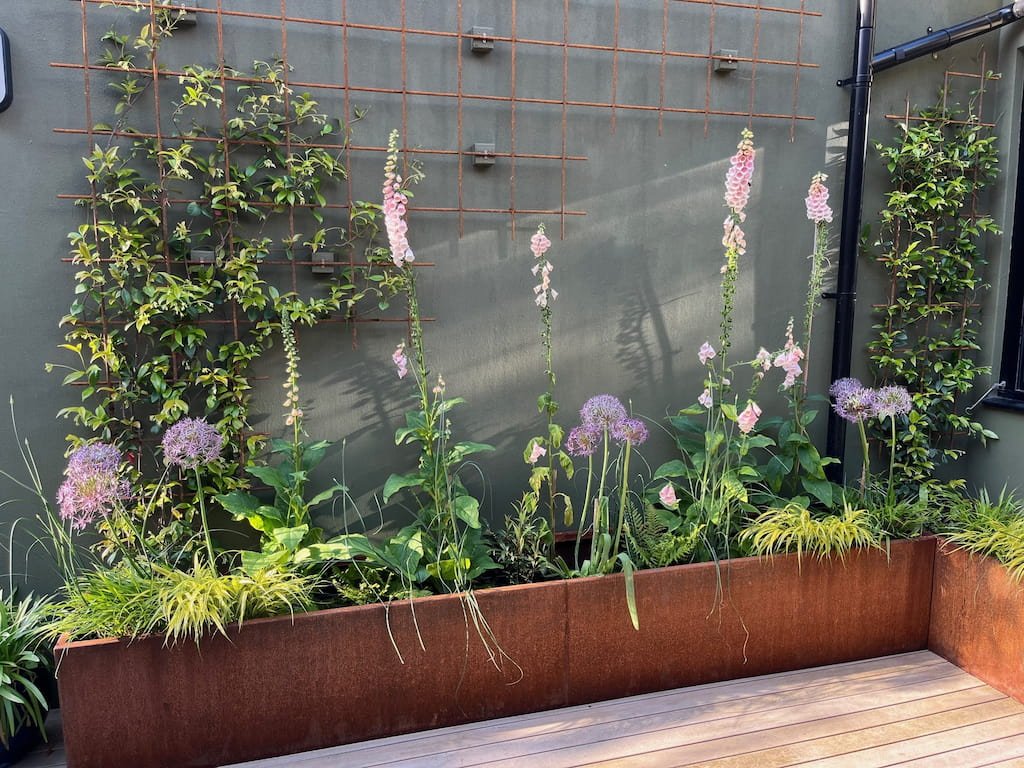
Understanding Planters Price in Pakistan
A planter is more than just a container for a plant. The right planter provides enough space for roots, supports healthy growth, improves drainage, and can also change the overall appearance of a garden, balcony, rooftop, or indoor space.
The planters price in pakistan varies widely because planters are available in many materials, sizes, shapes, and designs. A small plastic pot may be inexpensive, while a large decorative ceramic, concrete, or premium fiber planter can cost considerably more.
The best choice depends on the plant, location, available space, watering routine, and how much durability you expect from the planter.
Approximate Planters Price in Pakistan
Planters are available across different budget levels. As a general guide:
- Small plastic planters: around PKR 50–500
- Medium decorative plastic planters: around PKR 300–2,000+
- Clay and terracotta pots: around PKR 150–2,500+
- Self-watering planters: around PKR 500–3,500+
- Ceramic planters: around PKR 1,000–8,000+
- Metal planters: around PKR 1,500–10,000+
- Concrete planters: around PKR 2,000–20,000+
- Large decorative or premium planters: can cost considerably more
These are broad price ranges rather than fixed prices. Size, material thickness, design, finish, drainage system, and manufacturing quality can all change the final cost.
Plastic Planters – Affordable and Practical
Plastic remains one of the most popular choices because it is lightweight, easy to move, and generally affordable.
For someone maintaining several plants, plastic planters can make it easier to rearrange a balcony or garden without carrying heavy containers. They are also useful for nurseries and temporary plant growing.
However, cheap plastic can become brittle or fade when continuously exposed to intense sunlight. If the planter will stay outdoors permanently, look for stronger material and suitable UV resistance.
Clay and Terracotta Planters
Clay and terracotta planters have a traditional appearance and are particularly popular with gardeners who prefer natural-looking containers.
Their porous structure can allow moisture and air to move through the container walls, which can be useful for certain plants. The downside is that clay pots are heavier and can break if dropped.
In hot weather, they can also dry out faster than some plastic alternatives, meaning plants may require more frequent watering.
Ceramic Planters for Decorative Spaces
Ceramic planters are often selected because of their appearance rather than simply their function. They can add a polished look to living rooms, offices, balconies, patios, and entrances.
A ceramic planter can be an excellent choice when the container itself is part of the décor. However, buyers should inspect the drainage arrangement carefully.
A beautiful planter without proper drainage can create problems for the plant regardless of how expensive the container is.
Concrete Planters for Outdoor Use
Concrete planters are suitable when stability and durability are important. Their weight makes them less likely to move or tip over in windy outdoor areas.
They can work well for large plants, entrances, commercial spaces, rooftops, and permanent garden arrangements.
The biggest disadvantage is weight. Once a large concrete planter is filled with soil and a mature plant, moving it can become extremely difficult. It is therefore better to decide its final location before filling it.
Fiber and Composite Planters
Fiber and composite planters can provide a useful middle ground between appearance, durability, and weight.
They can imitate the appearance of heavier materials while remaining easier to move. Larger decorative planters made from lightweight composite materials can therefore be practical for balconies, terraces, offices, and modern gardens.
Quality varies significantly, so check the thickness and finish rather than choosing only according to appearance.
Customer Experience With Different Planters
Gardeners often discover that their priorities change after using a planter for several months.
A customer may initially choose a planter because of its colour or design, but after regular watering, the drainage system and material quality become much more important.
For example, someone keeping plants on a rooftop may appreciate a lightweight planter because it is easier to reposition. Another gardener with a windy outdoor area may prefer a heavier container that stays firmly in place.
Indoor plant owners usually become more concerned about drainage trays and water leakage, while outdoor gardeners may focus more on weather resistance.
These are practical usage experiences rather than verified testimonials from a particular seller.
Drainage Is More Important Than Appearance
One of the biggest mistakes when buying a planter is choosing based only on appearance.
Most plants need excess water to escape. If a container has no suitable drainage, water can remain around the roots and create serious problems.
Before buying, check whether the planter has drainage holes. If it is intended for indoor use, consider whether a saucer or inner nursery pot can be used to prevent water from reaching the floor.
A simple planter with good drainage can be much more useful than an expensive decorative container that does not suit the plant.
Choosing the Correct Planter Size
The size of the planter should match the plant’s root system and expected growth.
A very small container can restrict root development and require frequent watering. However, choosing an unnecessarily large planter can also create problems because excess soil can retain moisture for longer.
When repotting, moving to a moderately larger container is often more practical than immediately choosing the largest available size.
Consider both the current plant size and how quickly the plant is expected to grow.
Planters for Balconies and Rooftops
Balconies and rooftops require additional planning because space is limited.
Lightweight plastic or fiber planters are often easier to move and rearrange. For exposed rooftops, however, stability becomes important because strong wind can move lightweight containers.
Before purchasing several large planters, consider the available floor area and whether the surface can safely support the combined weight of the containers, soil, and plants.
Planters for Indoor Plants
Indoor planters are usually selected as part of the room’s décor.
Ceramic, decorative plastic, metal, and composite planters can work well depending on the interior style. However, appearance should not replace practical considerations such as drainage and plant size.
For indoor plants, using a pot with drainage together with a suitable tray or decorative outer planter can make watering much easier and reduce the risk of damaging floors and furniture.
Common Buying Mistakes
One common mistake is purchasing a planter that is too small for the plant.
Another is buying a heavy container for a location where the planter needs to be moved regularly.
Some buyers also forget to calculate the complete cost. A planter may require a tray, stand, drainage layer, delivery, or other accessories.
It is also worth checking whether the advertised price is for one planter or a complete set.
How to Get Better Value for Your Money?
The best way to manage the planters price in Pakistan is to match the material with the intended use.
For growing multiple plants on a budget, plastic can offer excellent practicality. For traditional outdoor gardening, clay and terracotta can provide a natural appearance. Ceramic works well where decoration is important, while concrete and heavier materials are suitable for permanent outdoor arrangements.
If you are buying several planters, compare the cost per piece and check whether the seller offers sets or bulk options.
Most importantly, inspect drainage, construction quality, dimensions, and weight before making a decision.
Buying Advice
The garden tools price in pakistan can range from inexpensive everyday pots to premium decorative containers costing thousands of rupees. The right planter should be selected according to the plant, location, drainage requirements, expected growth, and frequency of movement.
Do not choose a planter simply because it looks attractive or has the lowest price. A well-sized container with good drainage and suitable construction can support healthier plants and provide better value over time.
For practical gardening, the best planter is not necessarily the most expensive one—it is the one that works properly for the plant and the environment in which it will be used.