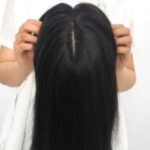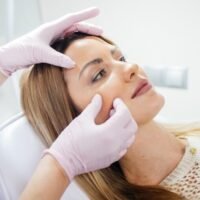
Platelet-Rich Plasma (PRP) therapy has become a widely used non-surgical option for treating hair thinning and early-stage hair loss. By using the patient’s own blood to stimulate hair follicles, it offers a natural approach to hair restoration with minimal downtime. The growing interest in PRP Treatment In Saudi Arabia reflects increasing demand for safe, regenerative procedures, but like any medical treatment, PRP is not completely free from side effects. Understanding what to expect helps patients prepare properly and feel more confident before undergoing the procedure.
What Is PRP Hair Treatment:
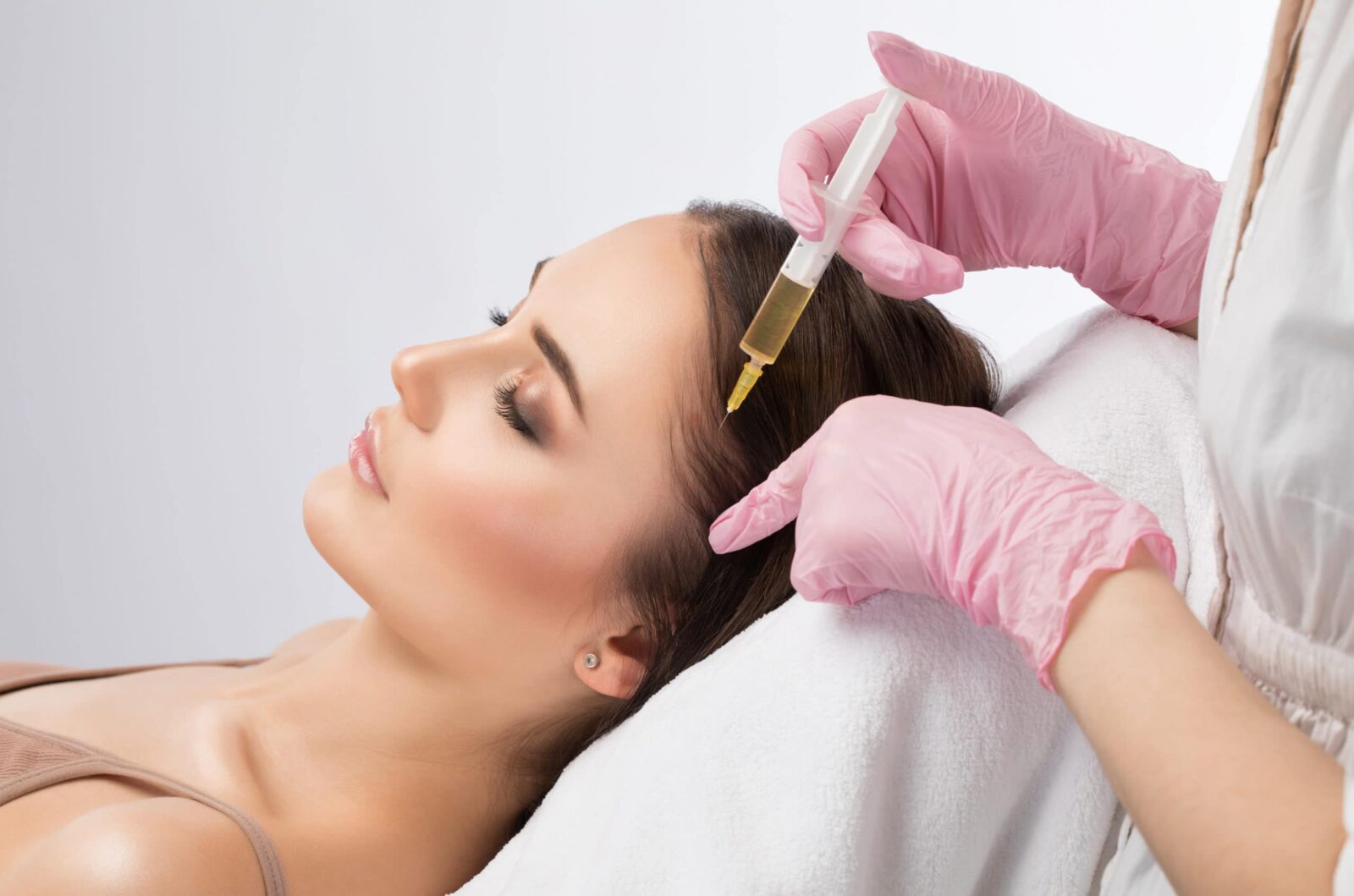
PRP hair treatment is a medical procedure that involves drawing a small amount of blood from the patient, processing it in a centrifuge to separate platelet-rich plasma, and injecting it into targeted areas of the scalp. Platelets contain growth factors that support tissue repair and regeneration. When injected into the scalp, these growth factors may help stimulate hair follicles, improve blood circulation, and promote healthier hair growth. Because it uses the patient’s own biological material, PRP is generally considered safe and well-tolerated.
Why Side Effects Can Occur:
Even though PRP is natural and minimally invasive, side effects can still occur due to the injection process and the body’s response to treatment. The scalp is a sensitive area with many blood vessels and nerve endings, so minor reactions are expected after injections. These effects are usually temporary and part of the normal healing process as the scalp adjusts to the treatment.
Common Side Effects After PRP Treatment:
Most patients experience only mild and short-term side effects following PRP therapy. These effects typically resolve within a few hours to a few days. Common side effects include:
- Mild scalp redness at injection sites
- Temporary swelling or tenderness
- Slight bruising in treated areas
- Minor headache or pressure sensation
- Itching or scalp sensitivity
These reactions are generally mild and indicate that the body is responding to the treatment.
Pain and Discomfort During the Procedure:
Some patients may experience mild discomfort during PRP injections, as small needles are used to deliver the plasma into the scalp. However, the pain is usually manageable and short-lived. To reduce discomfort, many clinics use numbing creams or local anesthesia. Most patients describe the sensation as a mild pressure or pinching rather than severe pain.
Swelling and Redness:
Swelling and redness are among the most common temporary side effects of PRP therapy. These occur because the scalp is responding to multiple injections and increased blood flow in the treated area. Key points include:
- Swelling is usually mild and localized
- Redness typically fades within 24–48 hours
- Applying cold compresses may help reduce symptoms
- Avoiding heat and sun exposure can speed recovery
These effects are normal and part of the healing response.
Headache and Scalp Sensitivity:
Some patients may experience mild headaches or increased scalp sensitivity after treatment. This can be due to the injection process or temporary changes in blood flow to the scalp. These symptoms are usually short-term and resolve without medical intervention. Rest, hydration, and avoiding physical strain can help minimize discomfort.
Bruising at Injection Sites:
Because PRP involves multiple small injections, minor bruising can occur in some patients. This is more likely in individuals with sensitive skin or those taking blood-thinning medications. Bruising is typically mild and fades within a few days. To reduce the risk, patients are often advised to avoid certain medications before treatment, under medical guidance.
Temporary Hair Shedding:
In some cases, patients may notice temporary shedding of hair after PRP treatment. This can be part of the natural hair cycle adjustment process as follicles transition into a new growth phase. Important points include:
- Shedding is usually short-term
- It does not indicate treatment failure
- New hair growth may follow in subsequent weeks
- It is part of follicle regeneration in some cases
This temporary phase is often followed by improved hair strength and density.
Rare Side Effects:
Although uncommon, some patients may experience less frequent side effects. These are usually mild but should be monitored. Rare side effects include:
- Infection at injection sites (very rare with proper hygiene)
- Prolonged swelling or discomfort
- Allergic reaction to topical anesthetics
- Dizziness or lightheadedness during or after treatment
Choosing a qualified practitioner significantly reduces the risk of complications.
Factors That Influence Side Effects:
The severity of side effects can vary depending on several individual factors. These include:
- Skin sensitivity and overall health
- Number of injections performed
- Platelet concentration levels used
- Pain tolerance and anxiety levels
- Pre-existing medical conditions
- Use of medications such as blood thinners
Understanding these factors helps patients prepare better for the procedure.
How to Minimize Side Effects:
Proper preparation and aftercare can significantly reduce the likelihood and intensity of side effects. Patients are usually advised to follow specific guidelines before and after treatment, including:
- Avoiding alcohol and smoking before the procedure
- Staying well hydrated
- Following pre-treatment medical instructions
- Avoiding touching or scratching the scalp afterward
- Using gentle hair care products after 24 hours
- Avoiding strenuous exercise for a short period
These steps help ensure smoother recovery and better results.
When to Contact a Doctor:
While most side effects are mild, patients should seek medical advice if they experience unusual or persistent symptoms. Warning signs include:
- Severe or worsening pain
- Signs of infection such as pus or fever
- Prolonged swelling beyond a few days
- Unusual allergic reactions
- Excessive bleeding at injection sites
Early consultation helps prevent complications and ensures proper care.
PRP Compared to Other Hair Treatments:
Compared to surgical hair restoration or long-term medication use, PRP has a relatively mild side effect profile. It does not involve incisions or systemic drugs, which reduces the risk of serious complications. Many patients prefer PRP because it offers a balance between effectiveness and safety, especially in early-stage hair loss.
Why PRP Is Still Widely Chosen:
Despite minor side effects, PRP remains a popular hair restoration option due to its natural approach and regenerative benefits. The increasing demand for PRP Treatment In Saudi Arabia highlights the preference for minimally invasive procedures that offer visible improvements without major downtime or long recovery periods.
Final Thoughts
PRP hair treatment is generally safe, with most side effects being mild, temporary, and manageable. Common reactions such as redness, swelling, or slight discomfort are part of the natural healing process and typically resolve quickly. Serious complications are rare when the procedure is performed correctly. Understanding these side effects helps patients set realistic expectations and feel more confident before treatment. As awareness of PRP Treatment In Saudi Arabia continues to grow, PRP remains a trusted and widely used option for individuals seeking natural and minimally invasive hair restoration solutions.