Injuries disrupt life in profound and often unexpected ways. Pain, limited movement, and time away from work take a toll. Effective rehabilitation is essential for complete and lasting recovery. Without proper guidance, injuries can lead to chronic problems. Rehabilitation clinics offer structured programs that restore full function. This article outlines the key strategies used in injury recovery. Understanding these strategies helps patients make informed decisions about care.
Understanding the Stages of Injury Recovery
Injury recovery follows a predictable biological process. The acute phase involves inflammation, pain, and protective responses. Rest and protection are most important during this phase. The sub-acute phase marks the beginning of tissue repair. Movement is gradually reintroduced to guide healing correctly. The chronic or remodeling phase involves tissue strengthening and reorganization. Rehabilitation strategies must align with each stage for best results.
Why Skipping Stages Can Delay Recovery
Many people rush their recovery when symptoms begin to improve. This is one of the most common mistakes in rehabilitation. Returning to full activity too soon risks re-injury and incomplete healing. Tissues need adequate time and the right stimulation to repair properly. Rehabilitation clinics monitor progress carefully before advancing treatment. Graded return to activity ensures each stage is completed fully. Patience combined with expert guidance always yields the best outcomes.
Initial Injury Management and Its Long-Term Impact
How an injury is managed initially shapes the recovery trajectory. Proper early care reduces the risk of complications significantly. The PEACE and LOVE framework guides modern early injury management. Protection, elevation, avoiding anti-inflammatory drugs, compression, and education form PEACE. Load, optimism, vascularization, and exercise form the LOVE component. This approach supports healing without hindering it unnecessarily. Rehabilitation clinics apply these principles from the very first assessment.
The Importance of Early Physiotherapy Intervention
Early physiotherapy intervention changes recovery outcomes significantly. It prevents stiffness, muscle atrophy, and movement compensations. Patients who begin therapy early avoid many secondary complications. Scar tissue formation is guided to minimize functional restrictions. Joint range of motion is maintained through gentle mobilization. Muscle activation exercises prevent the weakness caused by disuse. Early intervention shortens overall recovery time substantially.
Manual Therapy Techniques for Injury Recovery
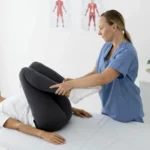
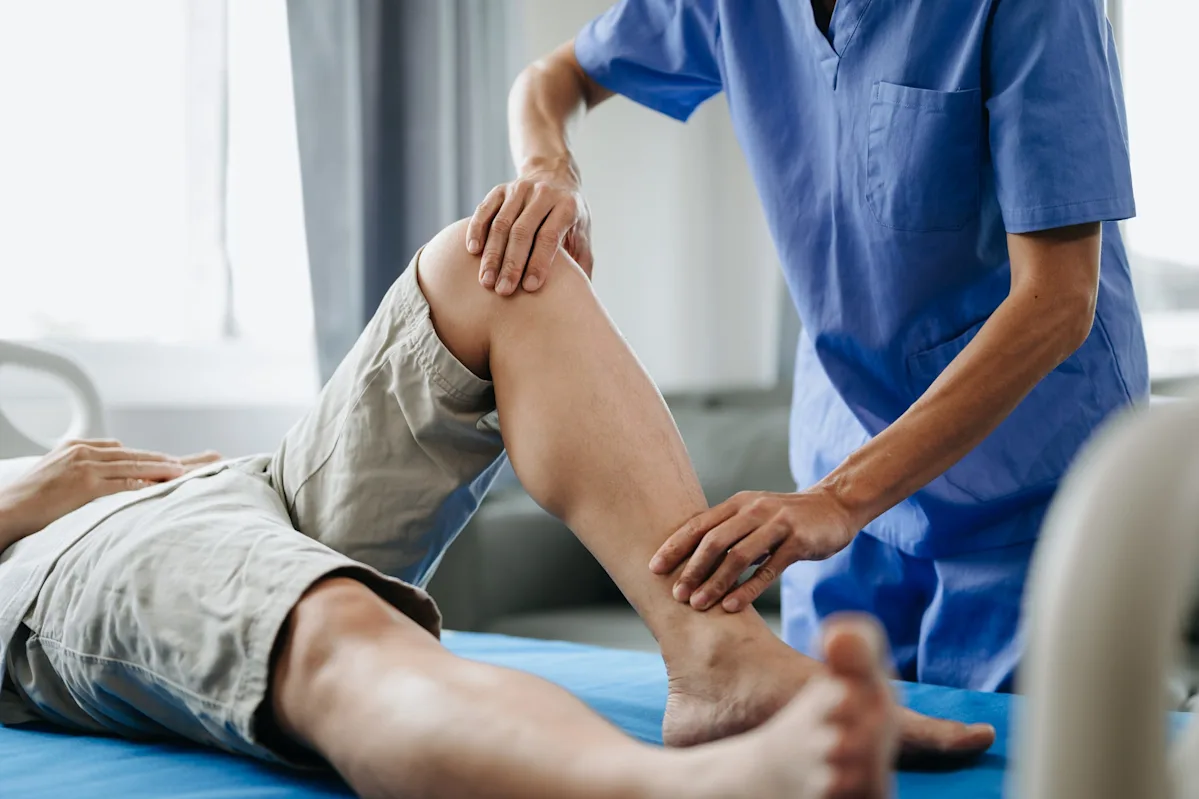
Manual therapy is an important tool in injury rehabilitation. It uses hands-on techniques to address pain and mobility. Joint mobilization restores movement in stiff post-injury joints. Soft tissue therapy breaks down adhesions that restrict function. Neural mobilization reduces nerve pain associated with musculoskeletal injuries. Myofascial release addresses restrictions in the surrounding connective tissue. These techniques prepare the body for progressive exercise rehabilitation.
Scar Tissue Management in Rehabilitation
Scar tissue is a natural part of the healing process. However, poorly organized scar tissue restricts movement and causes pain. Manual therapy techniques guide scar tissue remodeling effectively. Instrument-assisted soft tissue mobilization is especially useful here. Cross-fiber massage techniques break down restrictive scar adhesions. Progressive loading of healing tissue encourages collagen fiber alignment. Well-managed scar tissue results in full functional recovery.
Exercise Rehabilitation for Strength and Mobility Restoration
Exercise is the most powerful tool in injury rehabilitation. It stimulates tissue repair, builds strength, and restores mobility. Early exercises are gentle and focus on range of motion. Intermediate exercises introduce progressive resistance and stability training. Advanced exercises replicate the demands of sport, work, or daily life. The progression is carefully managed to prevent setbacks. Individualized exercise programs outperform generic approaches in every measure.
Neuromuscular Training After Musculoskeletal Injuries
Injuries disrupt neuromuscular control in the affected area. The brain’s connection to injured muscles is impaired after trauma. Neuromuscular training restores this critical communication pathway. Balance boards, proprioceptive exercises, and reactive training are used. Patients regain the automatic control needed for safe movement. This type of training significantly reduces re-injury risk. Neuromuscular rehabilitation is essential for complete functional recovery.
Pain Management Strategies During Rehabilitation
Pain is a significant barrier to effective rehabilitation progress. Managing it appropriately allows therapy to progress more effectively. Physiotherapy uses many non-pharmacological pain management techniques. Electrotherapy modalities like TENS reduce pain nerve activity. Therapeutic ultrasound improves tissue healing in specific injuries. Ice therapy controls inflammation during the early recovery period. Heat therapy relaxes muscles and reduces stiffness in later phases.
Addressing Fear of Movement in Injury Recovery
Fear of movement is common after painful or traumatic injuries. This psychological response can significantly slow recovery progress. Physiotherapists use education and graded exposure to address this fear. Patients learn that controlled movement promotes healing rather than harm. Exposure to feared activities is introduced slowly and safely. Confidence grows as patients experience positive outcomes without pain. Addressing this psychological barrier is essential to complete recovery.
Returning to Work and Daily Activities After Injury
Returning to work is a major goal of injury rehabilitation. Physiotherapists assess job-specific demands and prepare patients accordingly. Work simulation exercises rebuild relevant strength and endurance. Ergonomic advice reduces re-injury risk in the workplace. A phased return to work is planned collaboratively with the patient. Those who work with an Injury recovery clinic Whitby receive specialized, comprehensive support. The goal is always a safe, sustainable, and successful return.
Functional Capacity Evaluations in Rehabilitation
Functional capacity evaluations assess readiness to return to work. They measure physical abilities like lifting, carrying, and standing tolerance. Results guide decisions about appropriate work modifications. Recommendations for graduated return programs are based on these results. Employers and insurers use these evaluations to plan workplace accommodations. Physiotherapists perform these assessments with objectivity and precision. They ensure both patient safety and workplace compliance are met.
Long-Term Injury Prevention After Rehabilitation
Recovery from injury includes preparing for long-term prevention. Physiotherapists identify the risk factors that contributed to the original injury. Strength imbalances, movement faults, and training errors are addressed. Education on load management helps patients avoid overuse injuries. Conditioning programs are designed to build physical resilience over time. Patients leave rehabilitation equipped with knowledge to protect themselves. Prevention is the most important phase of any successful rehabilitation.
Injury recovery is a journey that requires expert guidance. Each phase of rehabilitation builds on the one before it. Manual therapy, exercise, education, and pain management all contribute. The goal is full restoration of strength, mobility, and function. With the right support, most people recover completely and return to life. Rehabilitation strategies grounded in evidence always deliver the best results. Taking the first step toward professional care is always worth it.