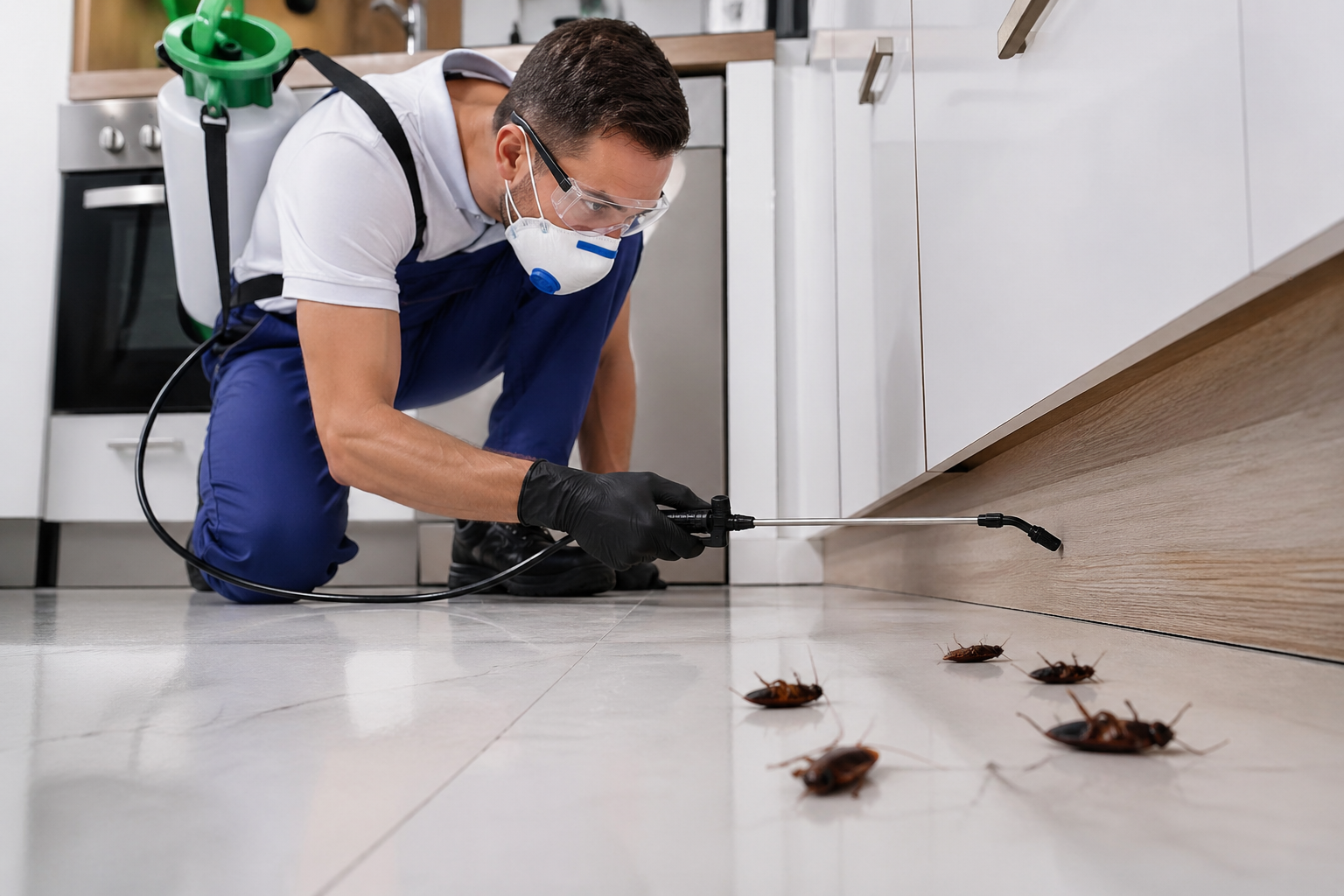
Earwigs are common household and garden pests that many homeowners encounter throughout Canada. These insects are easily recognized by the pincers located at the end of their bodies. Although they may appear intimidating, earwigs are generally not dangerous to people. However, large populations can become a nuisance, especially when they invade homes or damage plants in gardens.
Effective Earwig Control helps homeowners maintain a comfortable living environment while protecting outdoor spaces from unnecessary pest activity. Understanding why earwigs are attracted to certain areas is the first step toward preventing infestations and reducing their presence around residential properties.
What Are Earwigs
Earwigs are small insects that prefer cool, damp environments. They are typically active at night and spend daylight hours hiding in dark and moist locations. During the day, earwigs often remain concealed beneath rocks, mulch, leaves, wood piles, and other sheltered areas.
Their distinctive pincers are primarily used for defense and handling food. Despite common myths, earwigs do not crawl into human ears. This misconception has existed for centuries, but there is no scientific evidence supporting it.
These insects are generally more of a nuisance than a threat, but large numbers can become problematic around homes and gardens.
Why Earwigs Enter Homes
Earwigs usually live outdoors, but certain conditions encourage them to move indoors. Moisture is one of the main factors that attracts these insects. Basements, bathrooms, laundry rooms, crawl spaces, and damp storage areas provide ideal environments.
Heavy rainfall, excessive watering, or changes in outdoor temperatures may also drive earwigs inside. They often enter through small cracks, gaps around windows and doors, foundation openings, and utility entry points.
Once inside, earwigs seek dark and protected areas where they can remain hidden during the day. Understanding these entry routes is important for preventing future infestations.
Common Signs of Earwig Activity
Many homeowners first notice earwigs when they find them inside bathrooms, kitchens, or basements. Since earwigs are nocturnal, sightings often occur during evening hours or when lights are turned on suddenly.
Outdoor signs may include damage to flowers, vegetables, and ornamental plants. Earwigs feed on a variety of plant materials and may create irregular holes in leaves, petals, and young seedlings.
Finding multiple earwigs around foundations, mulch beds, or damp landscaping areas often indicates favorable conditions for population growth.
Recognizing these signs early supports more successful Earwig Control efforts.
The Role of Moisture in Earwig Infestations
Moisture plays a major role in earwig survival. These insects require humid environments and tend to avoid dry conditions. Properties with drainage issues, leaking pipes, clogged gutters, or excessive irrigation are particularly attractive.
Basements and crawl spaces often become problem areas because they maintain higher humidity levels throughout the year. Condensation around plumbing systems and poorly ventilated spaces can also create suitable habitats.
Reducing moisture levels is one of the most effective ways to make a property less appealing to earwigs and many other pests.
Earwig Behavior and Feeding Habits
Earwigs are scavengers that feed on a wide range of materials. Their diet may include decaying organic matter, fungi, algae, small insects, and plant material. In gardens, they sometimes damage flowers, fruits, and vegetables by feeding on soft plant tissue.
While earwigs can occasionally contribute to natural pest control by consuming smaller insects, large populations often create more problems than benefits for homeowners.
Understanding their feeding habits helps identify areas where earwigs may be gathering and reproducing.
Creating an Unfavorable Environment for Earwigs
One of the most effective ways to manage earwigs is by modifying the environment around the property. Since these insects prefer moisture and shelter, reducing these conditions can significantly lower their numbers.
Homeowners should remove piles of leaves, grass clippings, and organic debris from around foundations. Wood piles should be stored away from the home whenever possible. Mulch should not be placed directly against exterior walls.
Improving airflow around landscaping features also helps reduce humidity and discourages earwig activity.
Managing Moisture Around the Home
Controlling moisture is a critical part of long-term prevention. Gutters should be cleaned regularly to ensure proper drainage. Downspouts should direct water away from the foundation to prevent damp soil conditions.
Leaking faucets, pipes, and irrigation systems should be repaired promptly. Dehumidifiers can help maintain lower humidity levels in basements and crawl spaces.
Proper ventilation in bathrooms, laundry rooms, and storage areas further reduces moisture buildup and limits suitable habitats for earwigs.
Sealing Entry Points
Earwigs often enter through very small openings around a home. Cracks in foundations, gaps around windows and doors, and utility penetrations provide convenient access.
Applying caulk to cracks, installing weather stripping, and repairing damaged screens can help reduce entry opportunities. Door sweeps also provide an effective barrier against crawling insects.
Routine inspections help identify new openings before they become significant pest access points.
Outdoor Earwig Management Strategies
Outdoor management is essential because most earwig populations originate outside. Homeowners should focus on reducing hiding places near structures.
Maintaining a clean yard, trimming dense vegetation, and removing unnecessary debris help discourage earwig activity. Garden beds should be monitored regularly for signs of damage.
Reducing excessive mulch depth and improving drainage around planting areas further limits suitable conditions for earwig survival.
Treatment Options for Earwig Control
When environmental modifications alone are not sufficient, targeted treatments may help reduce populations. Traps can be used to monitor and capture earwigs in high-activity areas.
Certain pest control products may also be applied around foundations, entry points, and outdoor hiding locations. These treatments are most effective when combined with moisture reduction and habitat modification.
Integrated pest management approaches typically provide the best long-term results because they address both the insects and the conditions that support them.
Benefits of Professional Earwig Control Services
Professional pest management specialists can identify contributing factors that homeowners may overlook. Comprehensive inspections often reveal hidden moisture sources, structural vulnerabilities, and outdoor conditions that encourage infestations.
Professionals develop customized treatment plans based on property characteristics and infestation levels. Advanced techniques and products provide more reliable results than many do-it-yourself methods.
For recurring earwig problems, professional support can save time and provide lasting solutions.
Long-Term Prevention and Property Maintenance
Successful pest management requires ongoing attention. Regular inspections, moisture control, and landscape maintenance are important components of long-term prevention.
Homeowners should monitor vulnerable areas throughout the year and address small issues before they become larger infestations. Consistent maintenance creates an environment that is less attractive to earwigs and other moisture-loving pests.
A proactive approach helps protect both indoor and outdoor living spaces.
Frequently Asked Questions
1. Are earwigs dangerous to humans?
No. Earwigs are generally harmless and do not pose significant health risks to people.
2. Why do earwigs enter homes?
They typically enter homes seeking moisture, shelter, and protection from environmental conditions.
3. Can earwigs damage plants?
Yes. Large populations may feed on flowers, vegetables, fruits, and ornamental plants.
4. How can I reduce earwig activity around my property?
Reducing moisture, removing debris, improving drainage, and sealing entry points are highly effective prevention methods.
5. When should I contact a professional?
Professional assistance is recommended when infestations become persistent or when environmental modifications do not provide adequate control.
Conclusion
Earwigs may not be the most dangerous household pests, but they can become a significant nuisance when populations increase around homes and gardens. Understanding their behavior, reducing moisture, eliminating hiding places, and maintaining proper property conditions are essential for effective management. By combining preventive measures with targeted treatment strategies, homeowners can significantly reduce earwig activity and protect their living spaces. For dependable pest management solutions and long-term protection, homeowners can rely on My Pest Exterminator for professional assistance and expert service.