Introduction
Student life often involves moving from one place to another. Whether it is relocating to university accommodation, moving into a shared house, or changing apartments for a new academic year, the process can be both exciting and challenging. While students usually have fewer belongings than families, relocation still requires planning and organization to avoid unnecessary stress.
Many students face tight schedules, limited budgets, and short moving windows. These factors can make relocation difficult without proper preparation. Understanding how to organize a move efficiently can save time, reduce expenses, and make settling into a new home much easier.
Why Students Move Frequently
Unlike many homeowners, students often relocate more than once during their academic journey. Accommodation contracts may end each year, requiring students to find new housing options.
Some students move closer to campus to reduce travel time, while others relocate to larger properties with friends. Internship opportunities, placements, and postgraduate studies can also create a need for relocation.
Because student moves are common, learning how to manage the process effectively becomes an important life skill.
Planning Your Move Early
One of the best ways to reduce moving stress is to start planning early. Waiting until the last week often leads to rushed decisions and forgotten tasks.
Begin by creating a simple moving checklist. Write down important dates, accommodation details, transportation arrangements, and packing tasks. Breaking the move into smaller steps makes everything easier to manage.
Early preparation also allows students to compare moving options, organize supplies, and avoid last-minute expenses.
Creating a Moving Budget
Budget management is important for most students. Relocation costs can add up quickly if spending is not monitored carefully.
Start by estimating transportation costs, packing materials, accommodation deposits, and any additional services you may need. Having a clear budget helps prevent unnecessary spending.
Students should also look for opportunities to save money. Sharing transportation with friends, reusing boxes, and reducing the number of items being moved can all lower costs.
Good financial planning helps make relocation more affordable.
Decluttering Before Packing
Moving provides an excellent opportunity to sort through belongings and remove items that are no longer needed.
Many students accumulate books, clothing, kitchen supplies, and personal items throughout the academic year. Taking everything to a new location may not be necessary.
Separate belongings into categories such as keep, donate, recycle, and dispose. Reducing clutter makes packing easier and decreases transportation requirements.
A smaller number of items also means less unpacking once you arrive at your new accommodation.
Smart Packing Strategies for Students
Packing efficiently can make a significant difference during relocation. Start by gathering suitable boxes, bags, and protective materials.
Pack non-essential items first and leave frequently used belongings until closer to moving day. Group similar items together and label containers clearly.
Clothing can often remain in suitcases or storage bags to save space. Books should be packed in smaller boxes to avoid excessive weight.
A well-organized packing system makes both transportation and unpacking much easier.
Protecting Electronics and Study Materials
Most students rely heavily on technology for their studies. Laptops, tablets, hard drives, and other electronic devices require special attention during relocation.
Whenever possible, use original packaging for electronic equipment. If original boxes are unavailable, use protective materials to reduce the risk of damage.
Important assignments, projects, and academic documents should be backed up before moving. Digital copies provide additional security if anything unexpected occurs.
Keeping valuable electronics with you during transportation can offer extra peace of mind.
Managing Accommodation Deadlines
One challenge many students face is coordinating moving dates with accommodation contracts.
Sometimes students must leave one property before gaining access to the next. This situation requires careful planning to avoid unnecessary complications.
Review contract dates well in advance and communicate with landlords or accommodation providers if adjustments are needed.
Understanding deadlines helps prevent confusion and allows students to organize temporary arrangements if necessary.
Common Challenges During Student Relocation
Although student moves may appear simple, several challenges can arise during the process.
Limited transportation options can make moving difficult, especially for students without personal vehicles. Busy academic schedules may also leave little time for preparation.
Shared housing arrangements sometimes require coordination with multiple roommates. Different schedules and responsibilities can complicate planning.
By recognizing these challenges early, students can create solutions and avoid unnecessary stress.
Benefits of Professional Student Moving Services
Many students choose professional moving assistance because it simplifies the relocation process.
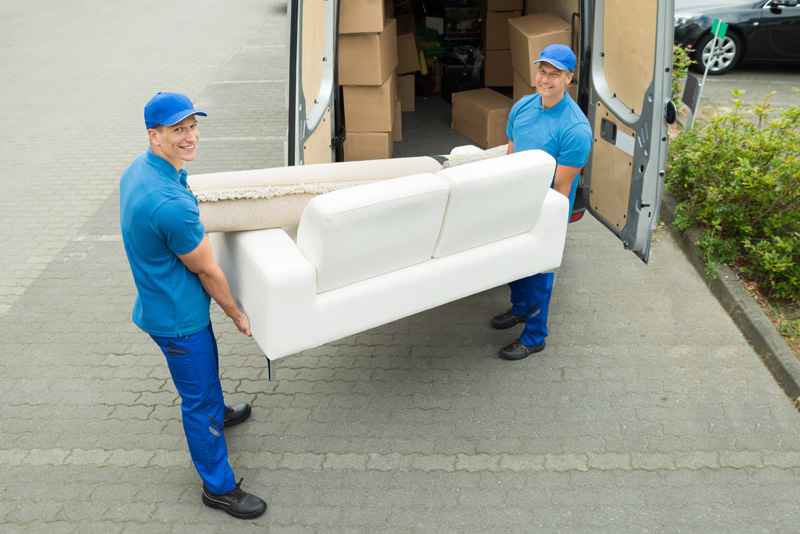
Experienced movers can handle transportation efficiently, reducing the physical effort required. This is especially useful when moving furniture, large suitcases, or multiple boxes.
Professional support also saves time, allowing students to focus on academic responsibilities and other priorities.
For those balancing studies, work, and personal commitments, reliable moving assistance can be a valuable resource.
Moving Into Shared Accommodation
Shared housing is a popular choice for students. Moving into a property with roommates requires additional organization and communication.
Before moving, discuss room allocations, shared responsibilities, and furniture arrangements with housemates. This helps avoid misunderstandings after arrival.
Coordinate large household purchases such as kitchen appliances and cleaning supplies to prevent duplicate spending.
Good communication creates a smoother transition and contributes to a positive living environment.
Settling Into a New Home Quickly
Arriving at a new property is only the beginning of the relocation process. Efficient unpacking helps students feel comfortable more quickly.
Start with essential items such as bedding, toiletries, chargers, and study materials. Organize your workspace early to support academic productivity.
Take time to learn about the local area, including transportation routes, grocery stores, healthcare facilities, and campus locations.
Becoming familiar with your surroundings helps create a sense of comfort and confidence.
Avoiding Common Student Moving Mistakes
Several mistakes can make relocation more difficult than necessary.
One common issue is leaving packing until the final days before moving. This often results in disorganization and unnecessary stress.
Overpacking is another frequent problem. Carrying unnecessary belongings increases transportation costs and complicates unpacking.
Failing to label boxes can also create confusion when arriving at a new property.
Simple preparation and organization can help students avoid these challenges and enjoy a smoother moving experience.
Building Good Moving Habits
Learning how to relocate efficiently is a valuable skill that extends beyond university life. Good planning, budgeting, and organizational habits can benefit students in future careers and personal situations.
Each move provides an opportunity to improve time management and decision-making abilities. These practical skills remain useful long after graduation.
Approaching relocation with a structured mindset helps create positive experiences and reduces unnecessary pressure.
Frequently Asked Questions
How early should students start preparing for a move?
It is recommended to begin planning at least four to six weeks before moving day to allow enough time for packing and organization.
What is the most affordable way to move as a student?
Reducing unnecessary belongings, sharing transportation with friends, and planning early can help lower moving expenses.
How can students protect laptops during relocation?
Use padded cases or original packaging and keep electronic devices secure throughout transportation.
What should students pack separately?
Important documents, medications, chargers, valuables, and daily essentials should remain easily accessible.
How can students settle into new accommodation quickly?
Prioritize unpacking essential items, organize your study area early, and familiarize yourself with the local community.
Conclusion
Relocating during university life is a common experience, but it does not have to be stressful. With proper planning, smart budgeting, efficient packing, and clear organization, students can enjoy a smooth transition to their new accommodation. Taking time to prepare before moving day helps reduce challenges and creates a more positive experience overall. Many students choose trusted providers such as Qaswa Logistics when looking for dependable support that helps make relocation simpler and more manageable.