If you’ve ever wondered where your family came from or wanted to understand the story hidden within your genes, an ancestry DNA test can be an exciting place to begin. Advances in genetic science have made it possible for anyone to explore their ancestral origins using a simple DNA sample. For beginners, however, the entire process can seem confusing. Questions about DNA testing, ethnicity estimates, family matching, privacy, and result accuracy often create uncertainty before taking the first step.
This guide explains everything a beginner should know about an Ancestry DNA Test in UAE, from how genetic testing works to interpreting your DNA results with confidence. By the end, you’ll have a clear understanding of what to expect and how DNA testing can help you uncover your family heritage.
Why Are More People Taking an Ancestry DNA Test?
Interest in genealogy has grown significantly in recent years. While traditional family history research depends on birth certificates, census records, marriage documents, and historical archives, genetic genealogy adds another layer of evidence by examining inherited DNA.
Many people choose an ancestry DNA test to:
-
Discover their ethnic background.
-
Learn about ancestral migration patterns.
-
Find biological relatives.
-
Expand an existing family tree.
-
Verify family stories passed down through generations.
-
Explore cultural heritage through science.
Unlike family records, which may contain missing information or inaccuracies, DNA provides biological evidence that can support genealogical research.
What Is an Ancestry DNA Test?
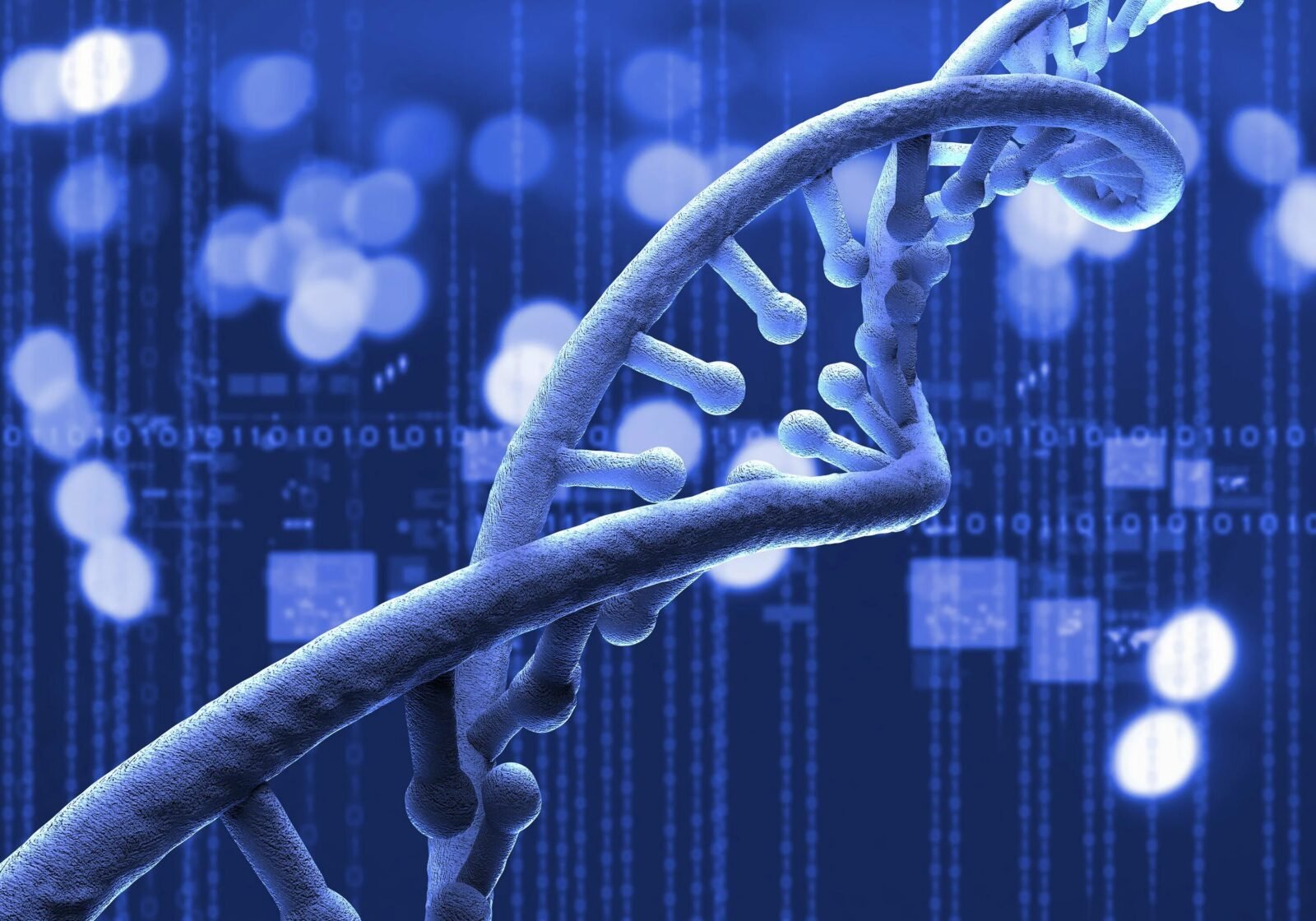
An ancestry DNA test analyzes specific parts of your genetic code to identify similarities with reference populations around the world. Your DNA contains inherited information from both parents, grandparents, and generations before them.
Scientists compare thousands of genetic markers called Single Nucleotide Polymorphisms (SNPs) against large databases containing DNA from individuals with known ancestral backgrounds. The comparison helps estimate your ethnicity while identifying people who share portions of your DNA.
Instead of telling you exactly who every ancestor was, the test estimates where your ancestors most likely lived and identifies relatives who share common ancestors.
Your DNA Journey From Sample to Results:
Although sophisticated laboratory technology powers DNA testing, the overall process is surprisingly straightforward.
Collecting Your DNA Sample:
Most ancestry DNA tests require either a saliva sample or a painless cheek swab. Following the collection instructions carefully helps produce high-quality DNA for analysis.
Avoid eating, drinking, or smoking immediately before providing your sample if instructed to do so.
Laboratory DNA Extraction:
After your sample arrives at the laboratory, specialists extract DNA from your cells. Advanced sequencing equipment identifies thousands of genetic markers across your genome.
Strict quality control procedures ensure that the DNA sample meets scientific standards before further analysis begins.
Comparing Your Genetics:
Your genetic markers are compared with extensive reference panels representing populations from different continents and historical regions.
This comparison allows researchers to estimate the percentage of your ancestry associated with various populations.
Delivering Your DNA Report:
When analysis is complete, you’ll receive a detailed ancestry report explaining your ethnicity estimates, DNA matches, ancestral regions, and sometimes historical migration routes.
Many reports also include interactive family tree features that allow you to organize your discoveries.
Understanding the Three Types of DNA:
One of the biggest misconceptions among beginners is believing that all DNA provides identical information. In reality, different types of DNA reveal different aspects of your ancestry.
Autosomal DNA:
Autosomal DNA comes from both parents and reflects your overall ancestry across recent generations. This is the most commonly analyzed DNA because it provides ethnicity estimates and identifies relatives across both sides of your family.
Y-Chromosome DNA:
Only males inherit the Y chromosome directly from their fathers. This type of testing traces paternal ancestry through the direct male lineage and can reveal ancient paternal origins.
Mitochondrial DNA:
Mitochondrial DNA passes from mothers to all children. It allows researchers to follow maternal ancestry through the direct female line across many generations.
Each DNA type answers different genealogical questions, making them valuable tools for understanding family history.
What Can You Actually Learn?
An ancestry DNA test provides several types of valuable information rather than a single result.
Ethnicity Estimates:
Perhaps the most anticipated result is your ethnicity estimate. This breaks down your genetic ancestry into percentages linked with various global populations.
Keep in mind that ethnicity estimates are statistical models rather than exact measurements. As research expands, these estimates often become more refined.
DNA Matches:
Your report may identify individuals who share DNA segments with you. These shared segments suggest biological relationships ranging from close family members to distant cousins.
The amount of shared DNA helps estimate how closely related two individuals may be.
Family History Insights:
DNA results can confirm documented family connections or reveal unexpected branches within your family tree.
Many genealogists combine DNA evidence with historical documents to strengthen their research.
Ancient Migration Stories:
Some reports explain how ancient populations migrated across continents over thousands of years, helping place your ancestry within broader human history.
Common Questions Every Beginner Should Ask:
Before taking an ancestry DNA test, it’s helpful to understand both its strengths and limitations.
How Accurate Is It?
DNA analysis itself is highly accurate because laboratories precisely identify genetic markers. However, ethnicity estimates depend on available reference populations and statistical interpretation.
As databases continue growing, ethnicity reports become increasingly detailed and reliable.
Can Results Change?
Your DNA never changes, but your ancestry report may. Scientists regularly improve genetic databases and analytical models, leading to updated ethnicity estimates and new DNA matches.
Will Siblings Have the Same Results?
Not necessarily. Brothers and sisters inherit different combinations of DNA from their parents, so ethnicity percentages and DNA matches may vary.
Does DNA Replace Family Research?
No. DNA testing works best alongside traditional genealogy. Historical records, photographs, oral history, immigration documents, and census data remain valuable sources of family information.
Practical Tips Before Taking Your First Test:
Preparing properly can improve both your experience and your understanding of the results.
Choose a quiet time to collect your sample and carefully follow all instructions. Ensure your sample is uncontaminated and submitted according to laboratory guidelines.
Once your results arrive, avoid focusing solely on ethnicity percentages. Instead, explore DNA matches, ancestral regions, migration patterns, and historical context. Building a family tree alongside your DNA report creates a richer picture of your heritage.
Remember that genetic genealogy is an ongoing journey rather than a one-time discovery.
Important Privacy Considerations:
Because DNA contains deeply personal information, understanding privacy policies is essential.
Before submitting a sample, review how your genetic data will be stored, whether your information may be used for scientific research, and if you can control participation in DNA matching programs.
Most reputable testing services allow users to adjust privacy preferences and choose whether to share genetic information with potential relatives.
Being informed helps you enjoy the benefits of ancestry research while protecting your personal data.
Mistakes Beginners Should Avoid:
Many first-time users misunderstand what an ancestry DNA test can realistically provide.
Avoid expecting the test to identify every ancestor by name. DNA reveals inherited genetic patterns, not complete historical records.
Do not assume ethnicity percentages are fixed forever. Scientific updates may refine your report as more reference populations become available.
Another common mistake is ignoring historical documentation. DNA evidence becomes significantly more valuable when combined with genealogy research, family interviews, and archived records.
Finally, avoid drawing conclusions from small percentage estimates without additional evidence, as these may represent ancient shared ancestry rather than recent family connections.
Building a Better Family Story with DNA:
An ancestry DNA test is more than a collection of percentages on a report. It serves as a starting point for exploring your family’s journey through history.
By combining genetic evidence with census records, immigration documents, family photographs, oral traditions, and genealogical databases, you can create a richer and more accurate family narrative.
Many people discover previously unknown cousins, reconnect with lost branches of their family, or gain a greater appreciation for the cultures and traditions that shaped their ancestors.
The process often transforms curiosity into lifelong research, revealing connections that span generations and continents.
Final Takeaway:
Beginning your journey with an ancestry DNA Lab tests opens the door to understanding your genetic heritage in ways that previous generations could only imagine. Through modern DNA analysis, you can explore your ethnicity, identify biological relatives, study ancestral migration, and strengthen your family tree with scientific evidence.
While no DNA test can answer every question about your ancestry, it provides a powerful foundation for discovering your roots. When combined with traditional genealogy and historical research, your DNA results become part of a much larger story—one that connects your past, present, and future through the remarkable science of human genetics.