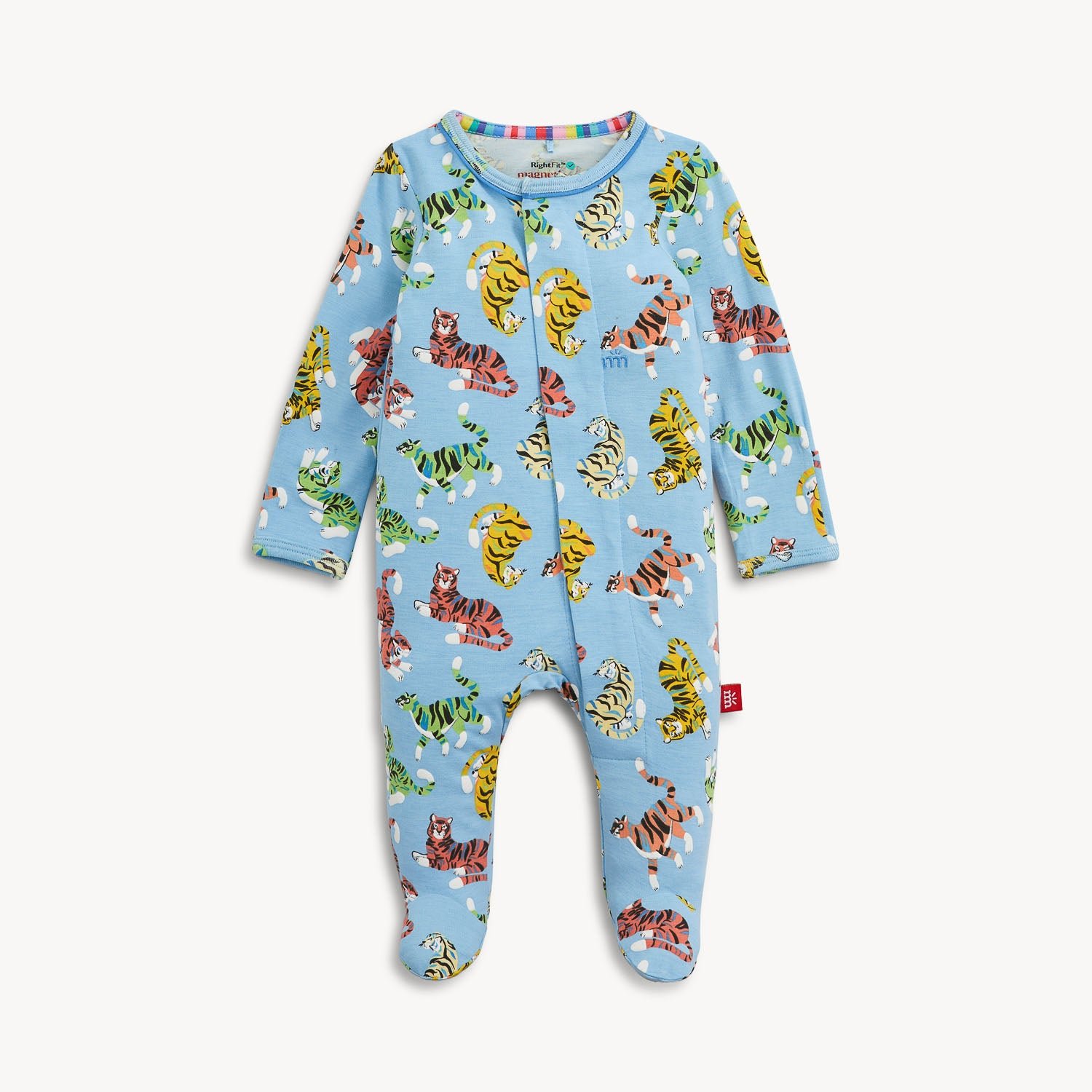
Dressing a baby through the changing seasons is one of the most delightful aspects of parenting. Watching your child explore their world—whether feeling the crisp air of autumn, enjoying warm summer sunshine, or cozying up during winter—brings endless joy. However, keeping up with unpredictable weather while prioritizing your child’s physical comfort requires thoughtful planning. Building a practical wardrobe around high-quality core items ensures your infant remains happy and cozy every day. Equipping your child’s closet with soft Baby onesies provides an essential base layer that adapts easily to shifting temperatures throughout the year.
In this ultimate guide to seasonal infant fashion, we will explore how to transition your child’s clothes through every season, choose the best fabrics for varying weather, and simplify daily outfit changes for maximum comfort and style.
The Importance of Temperature Regulation for Infants
Newborns and young infants possess delicate systems that are still learning to regulate internal body temperature efficiently. Choosing the right clothes for each climate is essential for their overall contentment and health.
Gentle Natural Textiles for Climate Control
Selecting breathable materials is the single best way to manage temperature naturally. Fabrics such as certified organic cotton, bamboo viscose, and lightweight modal allow excess heat and moisture to escape during warm afternoons while trapping gentle warmth during cool mornings. Avoiding heavy synthetic blends prevents overheating and keeps skin clear and comfortable.
Layering as a Year-Round Strategy
Layering is every parent’s best tool when navigating changing weather. Rather than relying on a single thick garment, combining lightweight pieces allows you to add or remove layers as the ambient temperature changes. Start with a soft, breathable base layer close to the skin, add a medium-weight top or pants, and finish with outerwear when stepping outdoors.
Monitoring Your Baby’s Comfort
To quickly check if your baby is dressed appropriately, gently place your hand on the back of their neck or chest. If the skin feels warm and dry, your baby is perfectly comfortable. If the area feels sweaty, remove a layer; if it feels cool to the touch, add a cozy garment to warm them up.
Spring Wardrobe Strategies: Fresh, Lightweight, and Versatile
Spring bringing unpredictable weather with breezy mornings and sunny afternoons requires an adaptable approach to baby fashion.
Flexible Base Layers and Cardigans
In spring, start with a light base layer and pair it with easy-on, easy-off layers like soft knit cardigans or cotton hoodies. This flexibility allows you to adapt immediately when stepping from a cool park path into a warm car or store.
Protecting Against Spring Drizzle and Wind
Light breezes and spring drizzles call for lightweight windbreakers or soft hooded outerwear. Ensure that outer hoods fit comfortably around the face without obstructing vision or causing discomfort.
Summer Dressing Tips: Keeping Cool, Safe, and Comfortable
Warm summer days call for maximum breathability, lightweight coverage, and vibrant styles that let your baby enjoy the outdoors safely.
Airflow-Friendly Cutouts and Styles
During hot summer months, choose loose-fitting, short-sleeved, or sleeveless outfits that promote continuous air circulation. Pastel shades and bright colors naturally reflect sunlight, helping keep your child cool during outdoor walks.
Sun Protection and Lightweight Coverage
While shade and baby-safe sun protection are essential, wearing lightweight, long-sleeved organic cotton pieces can shield delicate skin from direct sun rays without causing heat buildup.
Autumn and Winter Clothing Strategies: Snug and Cozy Solutions
When crisp fall winds arrive and winter cold sets in, your priority shifts to maintaining steady warmth and protecting against chills.
Soft Thermal and Plush Fabrics
Incorporate heavier knits, plush fleece, and ribbed cotton into your child’s autumn wardrobe. Look for full-coverage garments with built-in footies to ensure tiny toes stay warm without relying on easily lost socks.
Cold-Weather Outerwear and Accessories
When venturing outside during winter, insulate your infant with fleece pramsuits, plush blankets, and soft, snug hats that cover the ears. Always ensure that indoor environments are warm enough to allow removal of heavy outer coats so your baby does not overheat.
Playful All-In-One Fashion for Active Infants
As babies grow into curious infants who love to sit, crawl, and explore, their clothing should offer both charming aesthetic appeal and dynamic flexibility. Single-piece playwear eliminates the fuss of combining multiple garments while allowing complete freedom of motion. For bright summer strolls, cheerful playdates, and memorable family outings, choosing versatile Baby rompers provides a stylish, simple, and delightful solution for modern infant fashion.
Conclusion
Creating a seasonal wardrobe for your child does not need to be complicated or overwhelming. By focusing on breathable natural fabrics, adaptable layering techniques, and practical single-piece designs, you ensure your infant remains safe, cozy, and adorable through every season of the year. Investing in comfortable, high-quality garments frees up your time and energy, allowing you to focus on creating sweet, unforgettable memories with your growing family.
Frequently Asked Questions (FAQs)
How many layers should my baby wear during winter?
A general guideline is to dress your baby in one more layer than you are wearing yourself to ensure adequate warmth during cold weather.
Are footed sleepers appropriate for summer?
Footed sleepers made from thin, breathable bamboo or lightweight organic cotton are ideal for summer nights in air-conditioned rooms, keeping your child snug without overheating.
How do I protect my baby’s skin during seasonal changes?
Use hypoallergenic, fragrance-free laundry detergents, pre-wash all new clothing, and choose breathable, chemical-free natural fibers to protect delicate skin from seasonal dry spots and rashes.
What is the easiest way to dress an active baby who dislikes overhead shirts?
Choose garments with expandable lap shoulders, full-front magnetic closures, or wide two-way zippers that allow you to slip clothes on from the legs up, avoiding the need to pull garments over the head.