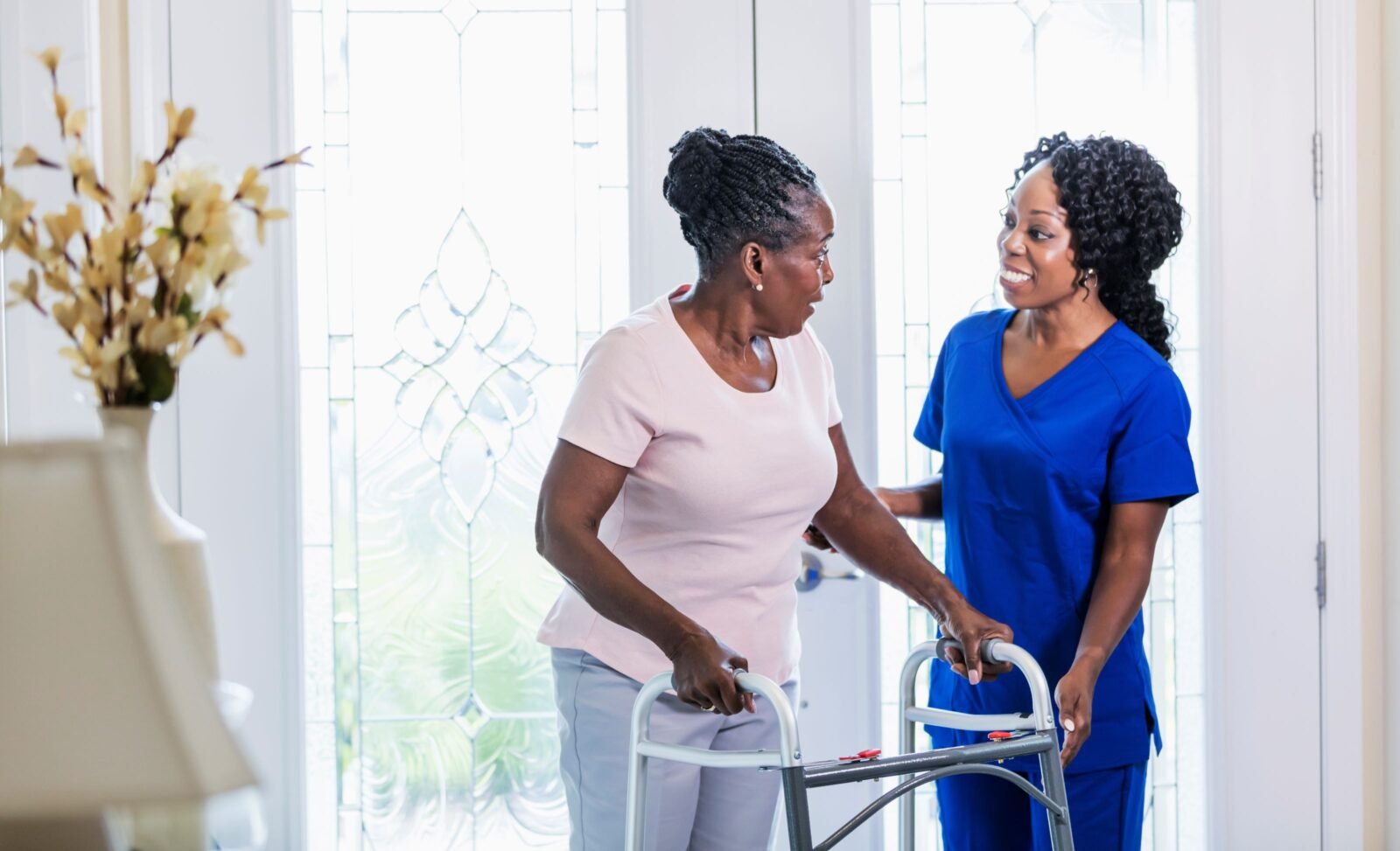
Maintaining personal hygiene can become challenging for elderly patients, people recovering from illness, and individuals with limited mobility or physical strength. Caregivers at home in Dubai can provide practical assistance with everyday hygiene while helping patients remain comfortable and maintain their dignity in a familiar environment. Depending on the patient’s needs and care plan, support may include bathing, oral care, grooming, dressing, toileting, and changing personal items. Families can also coordinate with a Doctor at Home when medical assessment or professional healthcare guidance is needed. Appropriate hygiene support can make daily routines easier while helping patients maintain cleanliness, comfort, and independence.
Understanding Personal Hygiene Support:
Personal hygiene involves the everyday activities that help a person remain clean, comfortable, and presentable. For patients with reduced mobility or physical limitations, activities such as bathing, brushing teeth, changing clothes, and using the bathroom may require assistance. A caregiver’s role is to provide support according to the patient’s individual abilities and established care instructions. Some patients may only need reminders or supervision, while others may require more direct assistance. The level of support should be reviewed as the patient’s abilities and needs change.
Why Personal Hygiene Is Important:
Regular hygiene routines contribute to overall comfort and help patients maintain familiar habits. Clean skin, oral care, clean clothing, and appropriate toileting routines are important aspects of everyday well-being. Patients who cannot independently manage hygiene may become uncomfortable or frustrated without assistance. Caregivers can make these activities more manageable by creating a consistent routine. They should also communicate any unusual changes, such as persistent skin irritation or other concerns, to the family or appropriate healthcare professional rather than attempting to diagnose the cause themselves.
Assisting With Bathing:
Bathing can be one of the more difficult activities for patients with limited mobility or balance concerns. Caregivers can assist according to their training and the patient’s care plan, helping with preparation, movement, washing, drying, and dressing when appropriate. Bathroom safety should receive particular attention because wet surfaces can increase the risk of slips and falls. Families can organize essential supplies before bathing begins to reduce unnecessary movement. Patients should be encouraged to complete any parts of bathing they can safely manage themselves while receiving assistance where needed.
Supporting Oral Hygiene:
Oral hygiene is another important part of daily personal care. Patients may need assistance with brushing their teeth, cleaning dentures, rinsing their mouth, or organizing oral care supplies. Caregivers can help establish a routine for morning and evening oral care while respecting the patient’s abilities and preferences. If a patient has difficulty swallowing, mouth discomfort, persistent bleeding, or another unusual oral concern, the family should seek appropriate professional advice. Caregivers should follow any specific oral-care instructions provided by healthcare professionals.
Helping With Grooming:
Grooming can help patients feel comfortable and maintain their normal appearance. Depending on the patient’s needs, caregivers may assist with hair brushing, shaving, nail care within their permitted responsibilities, face washing, and other routine grooming activities. Grooming preferences can vary considerably, so caregivers should ask patients how they prefer these activities to be performed. Simple choices about hairstyle, clothing, or grooming routines can help patients maintain a sense of independence and control.
Assisting With Dressing:
Patients with limited movement, weakness, or joint difficulties may find dressing challenging. Caregivers can help select appropriate clothing and assist with putting on or removing garments according to the patient’s abilities. Comfortable clothing that is easy to put on may make daily routines simpler. Caregivers should avoid rushing the patient and should allow them to perform manageable parts of dressing independently. If specialized clothing or mobility-related equipment is required, families should follow relevant professional recommendations.
Supporting Toileting Needs:
Toileting assistance requires privacy, patience, and respect. Some patients may need help reaching the bathroom, transferring safely, managing clothing, or maintaining hygiene afterward. Caregivers should follow the patient’s established routine and use appropriate safety measures. Supplies such as tissues, hygiene products, and clean clothing can be kept within convenient reach. Changes in toileting habits, discomfort, or other concerning symptoms should be communicated to the family and discussed with an appropriate healthcare professional when necessary.
Maintaining Hand and Skin Hygiene:
Regular hand and skin hygiene is especially important for patients who need assistance with everyday activities. Caregivers can encourage handwashing at appropriate times and help patients keep their skin clean and dry. For individuals who spend considerable time in bed or sitting, caregivers should follow the patient’s care plan regarding positioning and skin observation. Any persistent redness, irritation, wounds, swelling, or other unusual skin changes should be reported promptly to the appropriate healthcare professional. Caregivers should not independently diagnose skin conditions.
Organizing Hygiene Supplies:
Having personal care supplies organized can make hygiene routines more efficient. Families can keep commonly used items in accessible locations while ensuring that potentially hazardous products are stored safely. Depending on the patient’s needs, supplies may include:
- Soap or appropriate cleansing products
- Towels and washcloths
- Toothbrush and toothpaste
- Denture-care supplies
- Hairbrush or comb
- Clean clothing
- Personal hygiene products
- Disposable care items when required
- Moisturizing products recommended for the patient
The supplies should be selected according to the patient’s preferences and any relevant healthcare instructions.
Preserving Privacy and Dignity:
Personal hygiene can involve sensitive activities, so maintaining dignity should always be a priority. Caregivers should explain what they are going to do before providing assistance and allow the patient to participate wherever possible. Doors, curtains, towels, and appropriate clothing can be used to maintain privacy. Caregivers should communicate respectfully and avoid making patients feel embarrassed about needing assistance. Building trust can make personal care routines more comfortable for both the patient and caregiver.
Encouraging Patient Independence:
A caregiver should provide the appropriate level of assistance without making the patient unnecessarily dependent. If a patient can safely brush their own teeth, choose clothing, wash their face, or complete another hygiene activity, they should be encouraged to do so. The caregiver can assist only where needed. This approach allows patients to participate in their daily routines and maintain a sense of control. Independence should always be balanced with safety and the patient’s healthcare recommendations.
Creating a Consistent Hygiene Routine:
A predictable hygiene schedule can make personal care easier to manage. Caregivers can help establish routines around waking, bathing, oral care, dressing, toileting, and bedtime. A typical routine might include:
- Morning washing and grooming
- Oral hygiene
- Dressing in clean clothing
- Hand hygiene before meals
- Toileting assistance as needed
- Evening washing or bathing
- Night-time oral care
- Changing into comfortable sleepwear
The schedule should remain flexible according to the patient’s preferences, energy levels, appointments, and care requirements.
Supporting Patients With Limited Mobility:
Patients who cannot easily stand or walk may require adapted hygiene routines. Caregivers can assist with appropriate bathing arrangements, bedside hygiene, dressing, and toileting according to the care plan. Mobility aids and other equipment should be used according to professional instructions. Caregivers should never attempt a transfer that exceeds their training or physical capabilities. When a patient’s mobility changes, families should seek appropriate professional advice about whether the existing hygiene routine remains safe.
Hygiene Support After Hospital Discharge:
Patients returning home after hospitalization may temporarily require additional assistance with personal hygiene. Weakness, surgical recovery, or mobility restrictions can make normal activities more difficult. Caregivers can help patients follow their discharge routine while providing assistance with bathing, dressing, grooming, and other everyday needs. Any specific instructions concerning wounds, dressings, activity restrictions, or personal care should be followed as provided by the healthcare team. Unexpected symptoms should be communicated promptly and assessed by an appropriate professional.
Communicating Changes to Family Members:
Caregivers who provide regular hygiene assistance may notice changes in the patient’s ability to complete personal care. They can communicate relevant observations to family members according to the established care plan. Changes may include increased difficulty bathing, reduced independence, unusual skin changes, or changes in toileting routines. Caregivers should document important observations when appropriate and avoid making medical diagnoses. Clear communication helps families determine whether additional professional assessment or changes to the care plan may be necessary.
Knowing When Professional Healthcare Support Is Needed:
Caregivers can support everyday hygiene, but certain concerns require qualified healthcare assessment. Persistent skin problems, unexplained wounds, significant changes in toileting, severe discomfort, or other unusual symptoms should be discussed with an appropriate healthcare professional. Families should follow the patient’s existing care instructions and seek urgent attention when symptoms are severe or emergency warning signs are present. Keeping clear boundaries between personal care assistance and medical treatment helps protect the patient’s safety.
Final Thoughts:
Personal hygiene support is an important part of home caregiving for patients who need assistance with everyday activities. Caregivers at home in Dubai can help with bathing, oral hygiene, grooming, dressing, toileting, hand and skin care, and other personal routines while respecting each patient’s privacy and dignity. A consistent routine, organized supplies, safe surroundings, and encouragement of independence can make hygiene activities more manageable. Families should communicate clearly with caregivers and involve qualified healthcare professionals whenever medical concerns or changes in the patient’s condition arise. With the right approach, personal hygiene support can contribute to greater comfort, confidence, and quality of daily life at home.