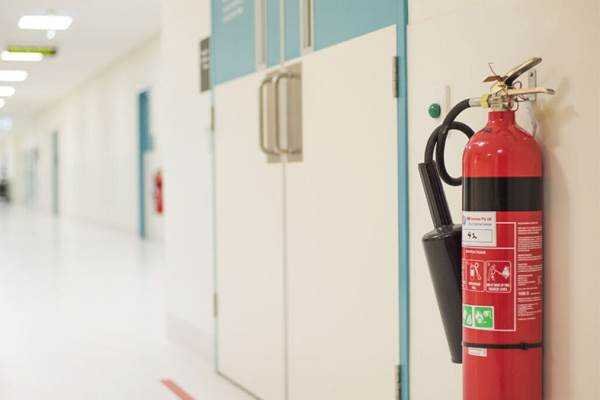
Across India, hospitals are putting more thought into how they approach fire safety. The focus has shifted from simply having systems in place to making sure the people within those systems are genuinely prepared. Healthcare organisations are investing in structured Fire Safety Training for Hospital Staff, and the results are showing up in how confidently teams respond and how safely patients are cared for.
Safety as a Culture, Not a Checklist
A hospital that genuinely cares about quality is one where safety is not just a policy on paper. It is something every person in the premises takes personally, whether they have been there ten years or ten days. Fire safety training, when taken seriously, does something quietly powerful. It makes people more switched on. A staff member who has been through proper training starts seeing the workplace differently. Things that would have gone unnoticed before like a blocked passageway or an improperly stored item near a heat source suddenly register. And that awareness does not stay limited to fire risks. It spills over into how people approach their work in general. It carries into daily work, and over time it becomes part of how the team operates.
What Consistent Training Actually Builds
Fire safety training does more than teach evacuation routes. It gives every staff member clarity about their specific role in an emergency. In an emergency, confusion is dangerous. When every team member knows exactly what they are responsible for, the response is faster and more organised. This clarity does not come from reading a notice board. It comes from practicing, repeating, and internalising the process through structured training.
The Fire Safety Training for Hospital Staff program offered by CAHO (Consortium of Accredited Healthcare Organisations) is designed keeping this in mind. Rather than stopping at fire prevention basics and evacuation procedures, it prepares teams to think clearly, coordinate smoothly, and put patient safety first when it matters most. Fire safety is also gaining ground as a recognised quality parameter in Indian healthcare. More and more, it is being seen as part of the broader commitment to standards that accreditation bodies look for.
The Connection Between Fire Safety and Overall Hospital Quality
Fire safety and the quality of healthcare services a hospital offers are more interrelated than they might appear. A hospital where staff know how to respond in a fire emergency is also a hospital where people pay attention, take their roles seriously, and do not wait to be told what to do. That kind of team culture does not stay limited to emergencies. It shows up in how patients are cared for, how protocols are followed, and how departments work together on any given day.
Healthcare quality certification courses in India are recognising this connection. Fire safety is finding its place within the broader quality conversation because hospitals that train well in one area tend to perform better across the board. It is no longer seen as a standalone requirement but as an essential part of what makes a hospital genuinely quality-driven.
Building Preparedness Into Everyday Operations
Fire safety training does something that goes beyond preparing for emergencies. When a team trains regularly, certain things become second nature. A staff member walking past a blocked exit notices it. Someone working near oxygen equipment thinks twice before doing something that could be a hazard. A nurse on the night shift knows exactly where to take patients if an alarm goes off. These are not dramatic moments. They are quiet, everyday habits that proper training builds over time and that make a hospital genuinely safer.
CAHO has been supporting hospitals across India in building this kind of preparedness through structured, certified training programs. A hospital that takes fire safety seriously is a hospital that takes quality seriously. Visit the website to learn more about the Fire Safety Training for Hospital Staff program and take the next step towards building a safer, more quality-driven hospital environment.