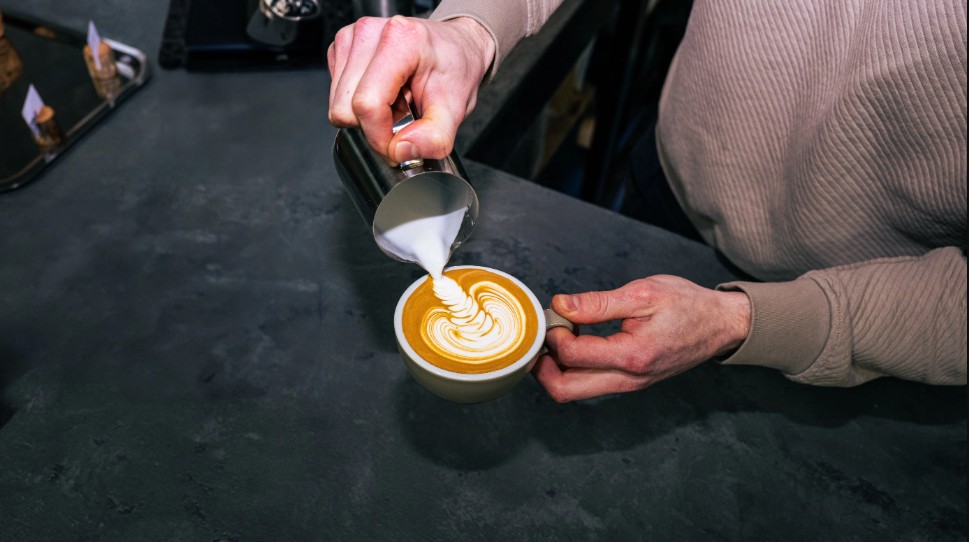
Achieving the perfect microfoam is the holy grail of every professional coffee maker, yet the rise of oat milk has fundamentally changed how we approach the steam wand. To master the art of pouring, one must first understand the chemical components at play. Dairy milk relies on a delicate balance of proteins and fats to create that signature stable, glossy foam. When you steam dairy, the proteins unfold, trapping air bubbles, while the fats provide the silky mouthfeel that holds a latte art design together. Oat milk, however, is a different beast entirely. It is essentially an emulsion of oats, water, and often added vegetable oils to mimic the creaminess of dairy. Because its protein content is significantly lower than that of cow’s milk, oat milk doesn’t foam as easily; instead, it tends to create larger, less stable bubbles if not handled with precise technique.
The Steaming Technique: A Shift in Approach
When steaming dairy milk, most baristas are taught to introduce air early—the “paper-tearing” sound—before plunging the wand deeper to create a vortex that integrates that air into a smooth, thick foam. With oat milk, you must alter this workflow. Because oat milk is prone to “burning” or separating due to its lower thermal stability, you need to be much quicker with your aeration. Introduce air in very short, sharp bursts immediately upon starting. If you introduce air for too long, you will end up with a layer of thick, dry foam sitting on top of a thin, watery liquid, which makes pouring intricate designs impossible. You are looking for a consistent, whirlpool-like vortex that breaks down the larger bubbles into a uniform, paint-like texture.
Mastering the Pour: Density and Flow
Latte art is essentially an exercise in fluid dynamics. The contrast in your pour depends on the density of your milk foam relative to the espresso crema. Dairy milk, when properly textured, provides a dense, stable foam that sits perfectly on top of the dark espresso canvas. Oat milk is often thinner and “weaker,” meaning it can sink through the crema much faster if your pour is too hesitant. When pouring with oat milk, you need to be confident and consistent.
Start your pour from a height to marry the milk with the coffee, then bring the pitcher as close to the surface as physically possible to “paint” your design. Because oat milk foam dissipates faster, you don’t have the luxury of time that you have with full-fat dairy. You must commit to the design early and execute it with deliberate, smooth motions. Understanding these nuances in density is a core pillar of the curriculum taught in any comprehensive barista training course, enabling baristas to adapt their style regardless of the liquid base they are using.
Troubleshooting Common Texture Failures
We have all been there: a jug of milk that turns into a bubbly, thick mess, or a jug that remains thin and watery regardless of how long you steam it. With dairy, this is usually due to overheating the milk, which breaks down the proteins and leads to that characteristic “boiled” taste and loss of foam stability. With oat milk, failure is often due to temperature management.
Oat milk tends to break down at a lower temperature than dairy, so you should aim to stop steaming just as the pitcher becomes hot to the touch—typically a few degrees cooler than your standard dairy target. If you notice your foam separating into liquid and bubbles in the pitcher before you even reach the coffee, try “grooming” the milk more aggressively by tapping the pitcher on the counter and swirling it.
The Professional Standard: Consistency Across the Menu
The mark of a true professional is the ability to produce the same quality of latte art whether you are using dairy, oat, soy, or almond milk. Customers have come to expect high-quality presentation, and they don’t want to hear that their drink looks “lesser” because it’s plant-based. By mastering the unique variables of oat milk—its heat sensitivity, its aeration requirements, and its pouring density—you elevate your service standard. This adaptability is what defines the modern barista.
It is no longer just about memorizing a recipe; it is about understanding how to manipulate different ingredients to achieve a singular, beautiful result. If you are serious about pursuing a career in coffee, investing in your own skill development is essential. Whether you are learning to calibrate your grinder or perfecting the microfoam for a complicated plant-based menu, a quality barista training course provides the foundational knowledge and the hands-on expertise to ensure your coffee consistently meets the high expectations of today’s discerning coffee drinkers.
Building a Future in Specialty Coffee
The specialty coffee industry is continuing to grow, with more focus on plant-based alternatives than ever before. For a barista, this shift represents a new set of creative challenges and a chance to refine one’s technical precision. When you look at an oat milk latte not as a compromise, but as a technical challenge to be solved, your work becomes more rewarding. You are not just making a drink; you are participating in a global culinary evolution. Stay curious, keep practicing, and don’t be afraid to experiment with different brands of oat milk, as each has a different protein-to-oil ratio that will affect how it behaves under the steam wand.