Mobile applications have become an important part of modern businesses. From shopping and banking to healthcare and education, companies use mobile apps to connect with customers and provide better services. However, technology keeps changing, and businesses need to follow the latest trends to build useful and user-friendly applications.
New technologies such as Artificial Intelligence (AI), 5G, cloud computing, and augmented reality are changing how mobile apps are developed. These trends help businesses improve app performance, user experience, and customer engagement.
Let’s explore the top mobile app development trends businesses should know.
1. Artificial Intelligence in Mobile Apps
Artificial Intelligence is one of the biggest trends in mobile app development. AI helps applications understand user behaviour and provide personalised experiences.
For example, shopping apps can suggest products based on customer interests, while travel apps can recommend destinations. AI chatbots also help businesses answer common customer questions and provide quick support.
2. Cross-Platform App Development
Businesses often want their applications to work on both Android and iOS devices. Cross-platform development makes this possible using a shared codebase.
Technologies such as Flutter and React Native help developers build applications for multiple platforms. This approach can reduce development time and make app maintenance easier.
3. 5G Technology
The introduction of 5G technology is improving mobile internet speed and connectivity. It allows applications to load content faster and handle data more efficiently.
This technology can improve experiences in video streaming, online gaming, video calling, and other applications that need fast internet connections.
4. Augmented Reality and Virtual Reality
Augmented Reality (AR) and Virtual Reality (VR) are creating new ways for users to interact with mobile applications.
For example, shopping apps can allow customers to see how furniture might look in their homes. Education apps can use interactive 3D experiences to make learning more engaging.
These technologies are especially useful for retail, gaming, education, and real estate businesses.
5. Internet of Things (IoT) Integration
IoT allows mobile applications to connect with smart devices through the internet. Users can control different devices directly from their smartphones.
For example, smart home apps can help users manage lights, security cameras, and home appliances. Businesses can also use IoT-based applications to monitor equipment and collect useful information.
6. Better Mobile App Security
Security is becoming increasingly important as mobile applications handle personal details, payments, and business information.
Modern apps are focusing on features such as biometric login, data encryption, secure payment gateways, and multi-factor authentication. These measures help protect user information and build trust.
7. Cloud-Based Mobile Applications
Cloud technology allows mobile apps to store and access data through online servers. This reduces the need to store all information directly on a user’s device.
Cloud-based solutions can make data management easier and support applications that need to handle growing numbers of users.
8. Low-Code and No-Code Development
Low-code and no-code platforms are making app development more accessible. They allow businesses to create basic applications using visual tools and ready-made components.
These platforms can be useful for simple business applications and prototypes. However, complex applications may still require custom development.
9. Voice Search and Voice Commands
Many users now prefer voice commands for searching information and completing simple tasks. Mobile apps are adding voice-based features to make navigation easier.
For example, users can search for products, find information, or interact with virtual assistants using their voices.
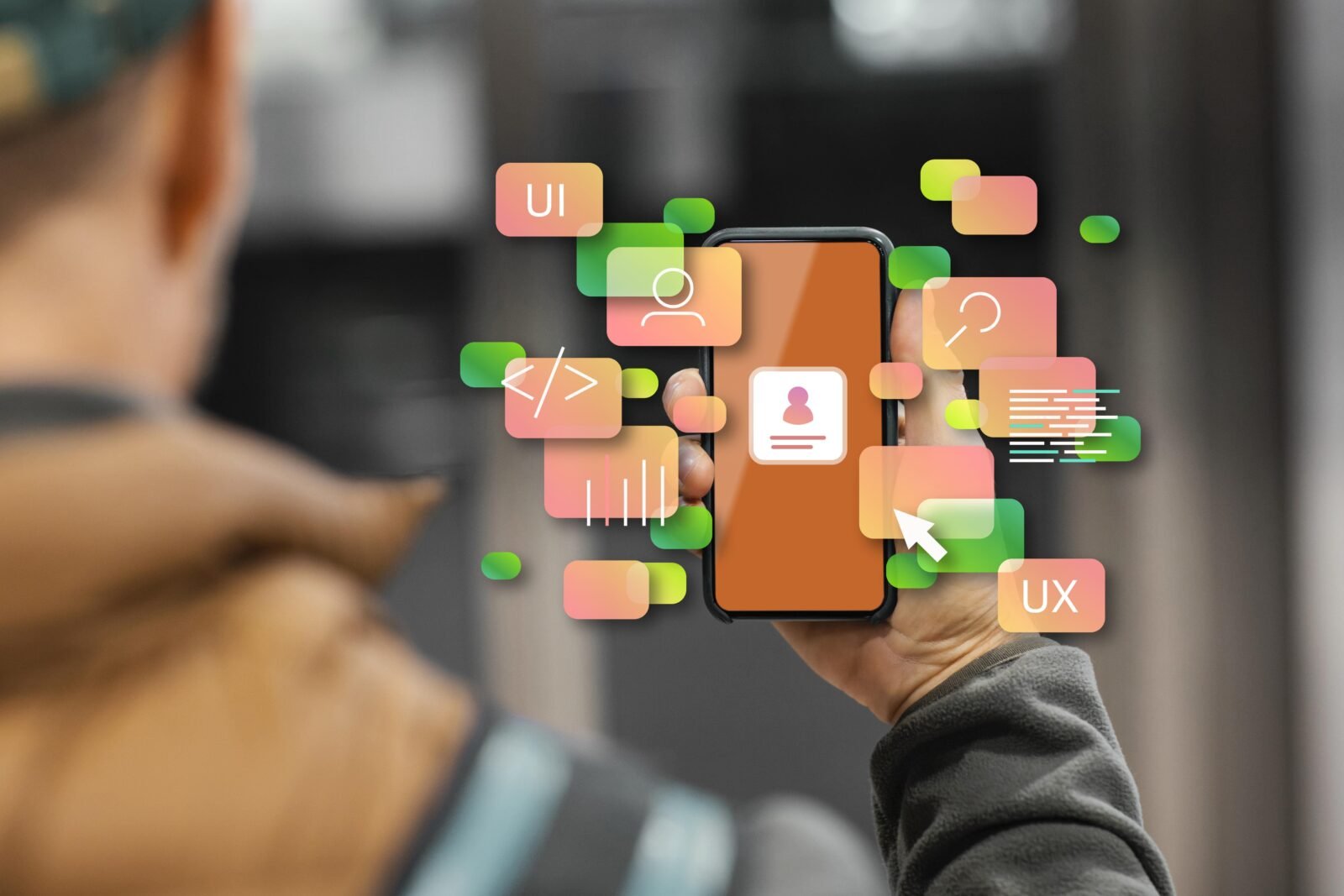
10. Focus on Better UI/UX Design
A mobile app should be simple, attractive, and easy to use. Businesses are focusing on clean layouts, faster navigation, readable content, and personalised interfaces.
A good user experience helps customers find what they need without confusion and encourages them to use the application regularly.
How Businesses Can Adopt These Trends
Before adding new technology to an application, businesses should understand their goals and customer requirements. Not every trend is suitable for every business.
Companies should consider their target audience, development budget, app features, security requirements, and future growth plans. Working with a top mobile app development company in Noida can help businesses identify suitable technologies and develop applications according to their requirements.
Conclusion
Mobile app development is continuously evolving with new technologies and changing customer expectations. Trends such as AI, cloud computing, cross-platform development, and improved security are helping businesses create better applications.
Businesses that understand these trends can make smarter technology decisions and provide better experiences to their customers.
Frequently Asked Questions
1. What are the latest mobile app development trends?
Some popular trends include AI integration, cross-platform development, 5G technology, AR and VR, IoT, and cloud-based applications.
2. Why is AI important in mobile app development?
AI helps applications provide personalised recommendations, automate tasks, and improve customer support.
3. What is cross-platform app development?
It is an approach that allows developers to build applications for multiple platforms, such as Android and iOS, using a shared codebase.
4. How can businesses make their mobile apps more secure?
Businesses can use encryption, biometric authentication, secure payment systems, and regular security testing.